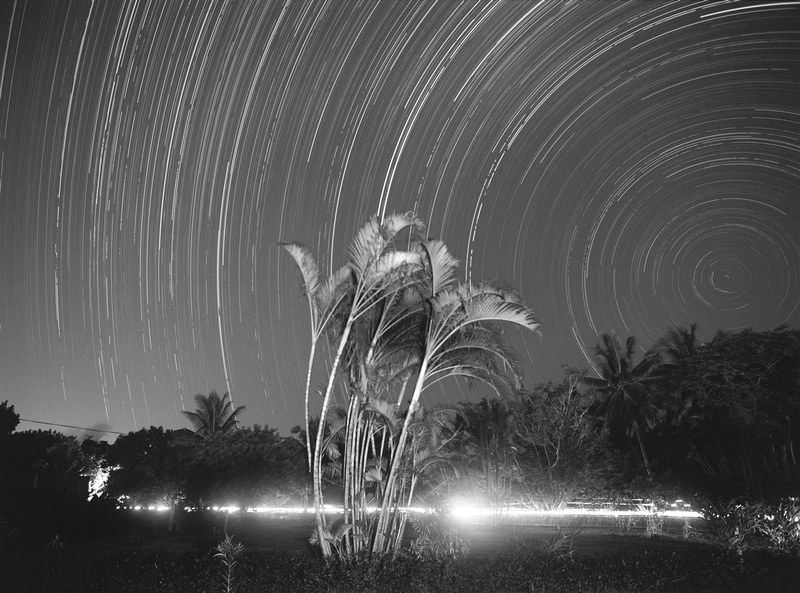
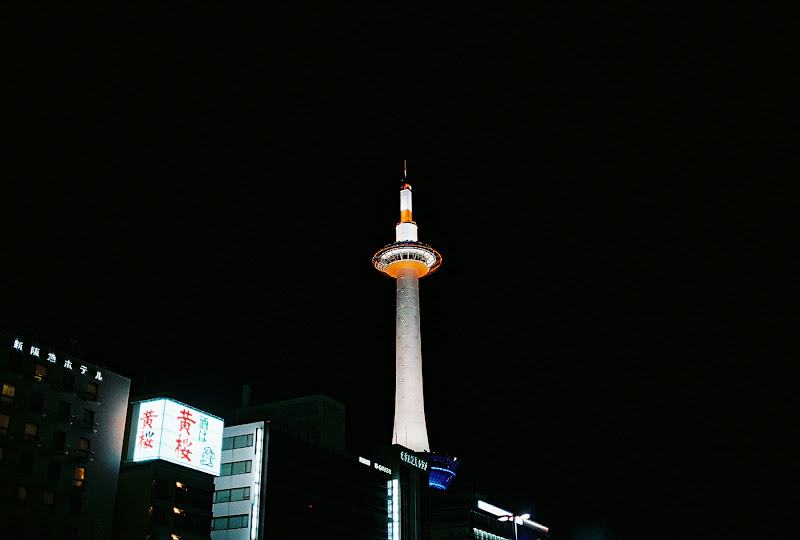
BTW, this is a composite of four BW conversions of a photograph that was originally shot in color. No ordinary bw film could have possibly delivered exactly this result. The original picture had a multicolored illumination and showed blatant, screaming and glaring colors all over the spectrum. The secret behind this picture is that the four conversions mimicked four drastically different spectral 'film sensitivities'.
So many good and various pictures here ! It will take me a complete afternoon to look at each one and try to learn something for the coming nights...
robert, not yet sure how and what try ... I have some delta 400 in the fridge...and the cv 35/1,7 on the table...
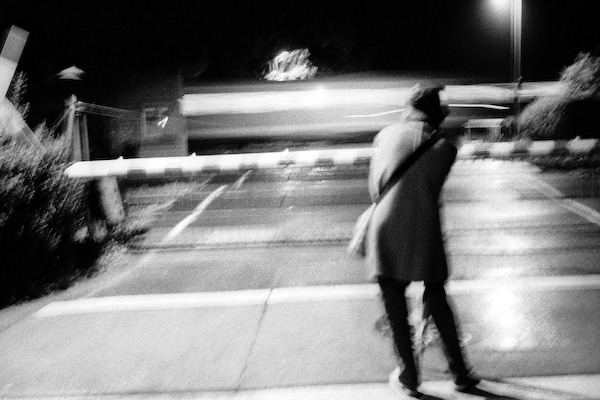
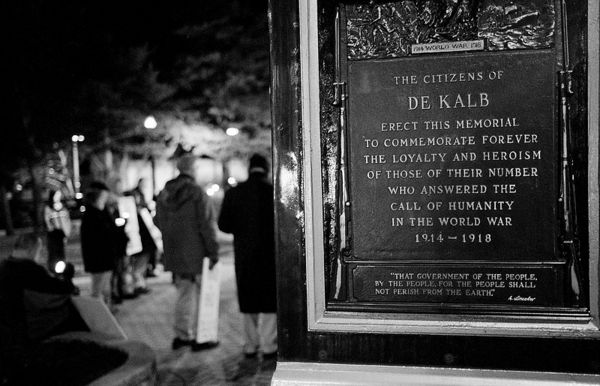
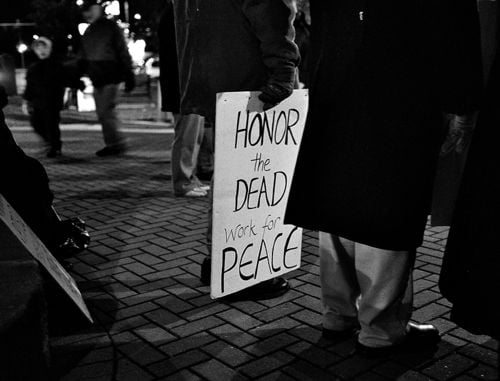
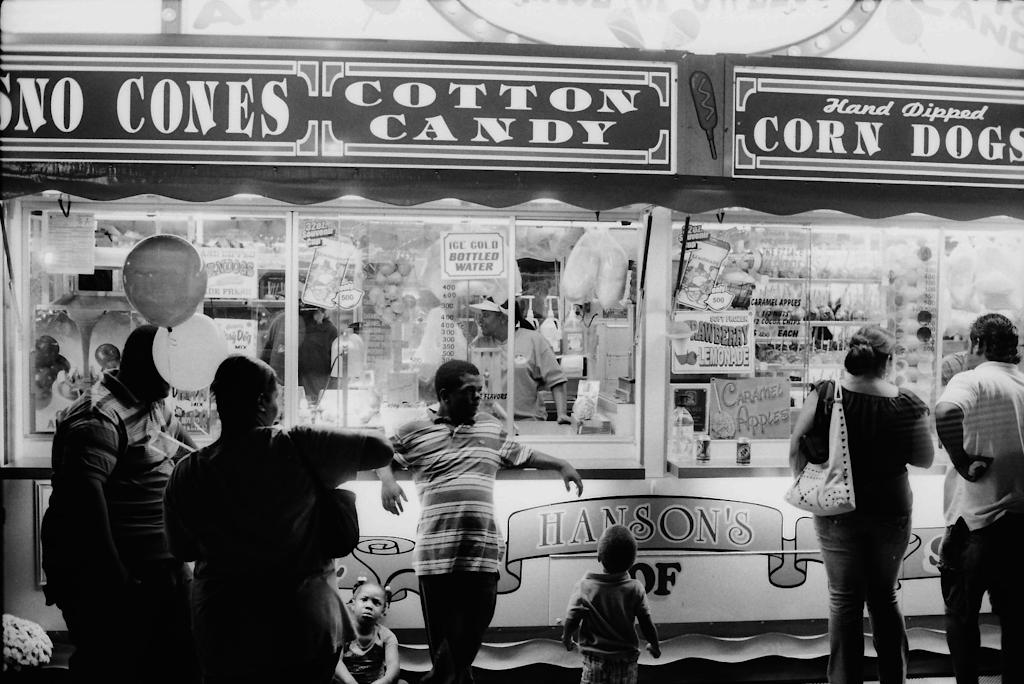
From the first film I shot using my Hexar RF: M-Hexanon 35/2.0, f4 @ 1/10s handheld, shot on Kodak BW40 CN @ ISO 400. Slightly cropped plus agressive unsharp masking to accentuate traces of blur:
I feel the same way about BW 400 CN and Tmax. OTOH, I feel both of these films have specifically been optimized for scanning. When I do pp on the scanned image files, I apply a gradation curve by default that boosts dark shadows to get vastly improved tonality.
On BW 400CN, this works only if I expose it at EI 200 to 250, or else I get banding in the shadow areas. IN the picture above, I was very lucky not to have visible banding traces in important parts of the picture.
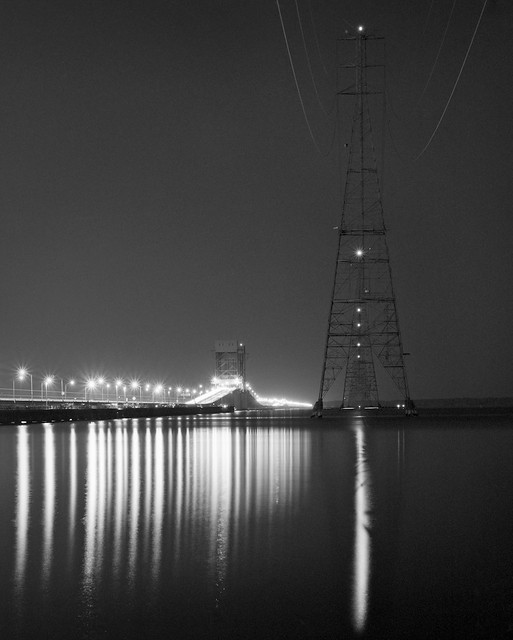
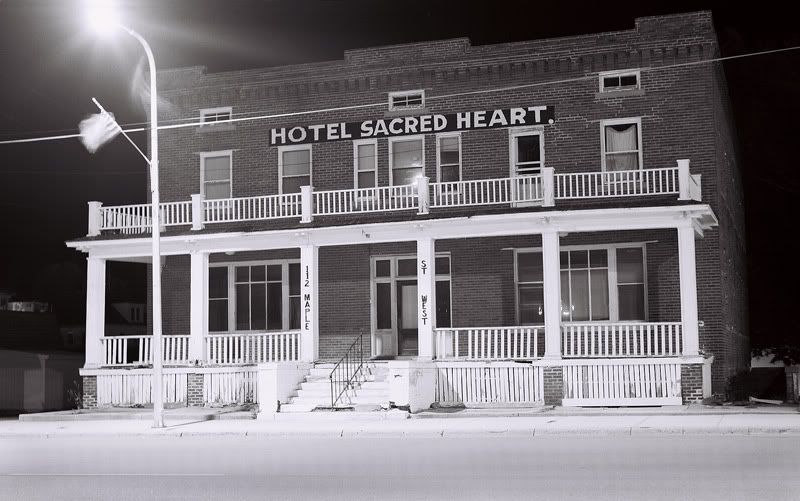
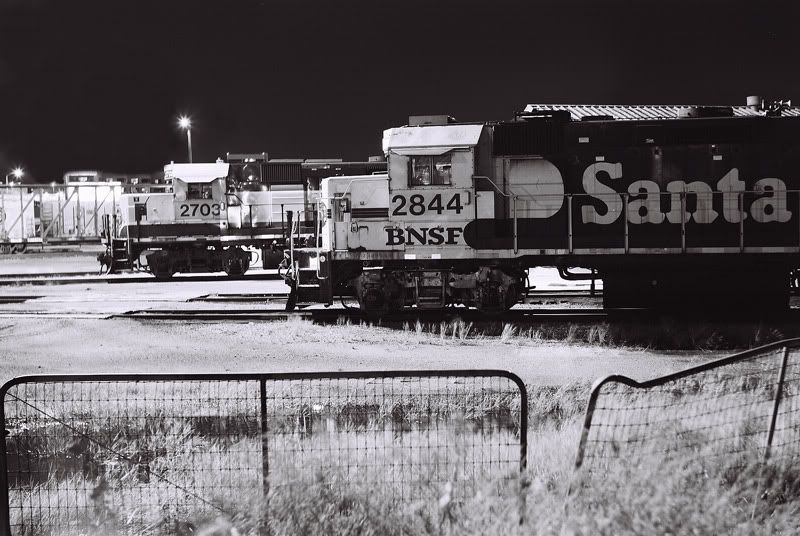
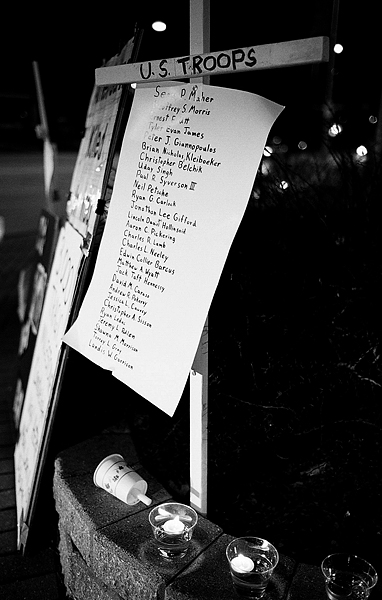
I mostly photo at night in winter. Just because it's dark doesn't mean I should let all that time go to waste! I sometimes light things up using about 9,000ws of portable flash. Here are two shots I made with my 1937 Voigtland Bessa this past month:
This site uses cookies to help personalise content, tailor your experience and to keep you logged in if you register.
By continuing to use this site, you are consenting to our use of cookies.