


You are using an out of date browser. It may not display this or other websites correctly.
You should upgrade or use an alternative browser.
You should upgrade or use an alternative browser.
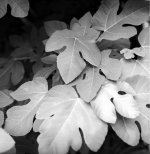
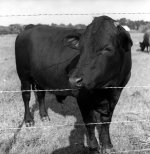
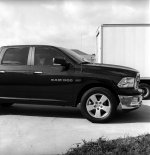
1st images with new rolleicord IV
- Thread starter Tom hicks
- Start date
- Latest activity Latest activity:
- Replies 11
- Views 2K
Dan Daniel
Well-known
Look nice! If you get a chance, give Adox 100 CHS a try. looking at your shots here, its tonal curve might fit your style quite well.
Tom hicks
Well-known
Dan Daniel
Well-known
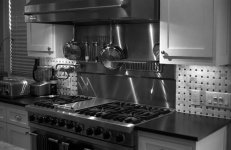
Yeah, that's what I meant. The Adox will keep the upper end from going contrasty while the shadows can stay open but rich?? Well, so many variables. But the two shots in the last post tell me the same thing. Add a roll or two next time you order from Freestyle, don't overdevelop, and see what you think maybe. If nothing else, it's an emulsion developed around the time the rolleicord IV was made.


Tom hicks
Well-known
Thanks for the info Dan I really am going to try Adox , those images are really nice , I Love the tonality. Did you shoot those at box speed ? And what developer did you use . I'm still new to the DIY developing , only about 40 rolls so far in a 8 month period. But those do look great.
Tom
Tom
Dan Daniel
Well-known
I shoot ADOX 100 at about 100 box speed. Meaning that I have the meter set to that, do incident readings, and then look and see if I need to open up a bit? The film doesn't handle overexposure very well. But it isn't super sensitive; from your shots it looks like you have a good handle on exposing for the shadows.
The developer is HC-110. Diluted 1:100 (US stock from the bottle directly; child's medicine syringe used to measure- 4.5 ml/450ml water). 68F/20C. 8 minutes total. Agitate for the first minute, then six inversions every minute.
I go for somewhat thin negatives. i scan with an Epson v500, which doesn't have the greatest range. So 'full' negatives blow out on one end of the other. I've scanned these same negatives on an Imacon and I am certainly not using the full tonal range of that scanner. But I own a V500, not an Imacon- horses for courses.
I mention just to point out the little adjustments that can be involved with film. How the negatives will be printed or scanned is an integral of the whole process.
And yes, 1:100 is not really an official dilution. Oh well!
The developer is HC-110. Diluted 1:100 (US stock from the bottle directly; child's medicine syringe used to measure- 4.5 ml/450ml water). 68F/20C. 8 minutes total. Agitate for the first minute, then six inversions every minute.
I go for somewhat thin negatives. i scan with an Epson v500, which doesn't have the greatest range. So 'full' negatives blow out on one end of the other. I've scanned these same negatives on an Imacon and I am certainly not using the full tonal range of that scanner. But I own a V500, not an Imacon- horses for courses.
I mention just to point out the little adjustments that can be involved with film. How the negatives will be printed or scanned is an integral of the whole process.
And yes, 1:100 is not really an official dilution. Oh well!
Tom hicks
Well-known
Dan Thanks for all your help and info . I'll give it a try.
Tom
Tom

TXForester
Well-known
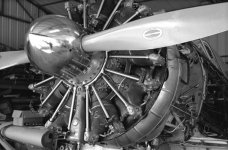
Nice. I like the T-6/SNJ.

shadowfox
Darkroom printing lives
I shoot ADOX 100 at about 100 box speed. Meaning that I have the meter set to that, do incident readings, and then look and see if I need to open up a bit? The film doesn't handle overexposure very well. But it isn't super sensitive; from your shots it looks like you have a good handle on exposing for the shadows.
The developer is HC-110. Diluted 1:100 (US stock from the bottle directly; child's medicine syringe used to measure- 4.5 ml/450ml water). 68F/20C. 8 minutes total. Agitate for the first minute, then six inversions every minute.
I go for somewhat thin negatives. i scan with an Epson v500, which doesn't have the greatest range. So 'full' negatives blow out on one end of the other. I've scanned these same negatives on an Imacon and I am certainly not using the full tonal range of that scanner. But I own a V500, not an Imacon- horses for courses.
I mention just to point out the little adjustments that can be involved with film. How the negatives will be printed or scanned is an integral of the whole process.
And yes, 1:100 is not really an official dilution. Oh well!
I like Adox as well.

*Adox CHS 50 in 6x6.
Thin negatives may be easier to scan, but if you ever try to print it in the darkroom, it would be harder to get a balanced print as you won't have a lot of time to do dodging or burning.
Doesn't that present a dilemma for us who do both scanning and darkroom printing? 🙂
leicapixie
Well-known
done my first scans. way too much contrast! my negs though are perfect way i print! the Adox seems a good film. Most films look good in 120!
Dan Daniel
Well-known
Thin negatives may be easier to scan, but if you ever try to print it in the darkroom, it would be harder to get a balanced print as you won't have a lot of time to do dodging or burning.
Doesn't that present a dilemma for us who do both scanning and darkroom printing? 🙂
It sure does present a dilemma. I don't know what the relationship is between a high-end scanner's dynamic range and an enlarger/print dynamic range. Could you move from a drum scanner or Imacon to an enlarger and back on the same negative? Would it present serious problems, or just some small tweaks?
As I mentioned before, my negatives that work well on an Epson v500 are very flat on an Imacon-type scanner. The wider dynamic range of the better scanner shows up how I am compressing the potential of the film in order to have it fit within the limits of the low-end scanner.
Although five years ago I said that I would never shoot film again, and now all I shoot is film, I will risk saying that I never plan to use a wet darkroom again.... If i was, I would probably aim for full-range negatives that printed well in the darkroom. Then find a way to either get access to a good scanner, or see if it is possible to do 'HDR' type multiple passes and combing with a scanner.
I used to shoot 4x5 B&W, and was tuned in for a cold-head enlarger. Then I had to use a condenser enlarger on the same negatives- very difference results, and I had to do some major adjustments to get it to work. The full chain from location to final print requires choices and adjustments.
shadowfox
Darkroom printing lives
Although five years ago I said that I would never shoot film again, and now all I shoot is film, I will risk saying that I never plan to use a wet darkroom again.... If i was, I would probably aim for full-range negatives that printed well in the darkroom. Then find a way to either get access to a good scanner, or see if it is possible to do 'HDR' type multiple passes and combing with a scanner.
I used to shoot 4x5 B&W, and was tuned in for a cold-head enlarger. Then I had to use a condenser enlarger on the same negatives- very difference results, and I had to do some major adjustments to get it to work. The full chain from location to final print requires choices and adjustments.
Being one of those who picked up and self-taught myself how to print in the darkroom *after* almost eveybody moved on to digital, I have experience only with color diffuser enlarger heads only. Therefore I have developed a printing workflow that works for my negatives and color enlargers.
I imagine if I suddenly switch to a condensed head, I'd be spotting dusts all day long for a while 😛
Similar threads
- Replies
- 0
- Views
- 108


- Replies
- 57
- Views
- 14K

