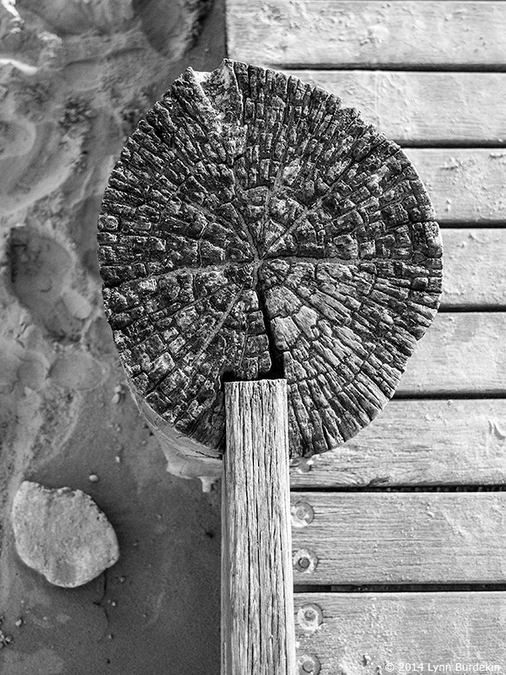
my earlier response was not meant to be off putting, in the contrary, to push to explore what 'Wabi Sabi' is. How about we tried right here, to show or express Wabi Sabi through our photos?
......
a quote: "The words wabi and sabi do not translate easily. Wabi originally referred to the loneliness of living in nature, remote from society; sabi meant "chill", "lean" or "withered". Around the 14th century these meanings began to change, taking on more positive connotations.[2] Wabi now connotes rustic simplicity, freshness or quietness, and can be applied to both natural and human-made objects, or understated elegance. It can also refer to quirks and anomalies arising from the process of construction, which add uniqueness and elegance to the object. Sabi is beauty or serenity that comes with age, when the life of the object and its impermanence are evidenced in its patina and wear, or in any visible repairs."
taken from:
https://en.wikipedia.org/wiki/Wabi-sabi
a good article on Japanese aesthetics:
http://plato.stanford.edu/entries/japanese-aesthetics/
the Wiki take:
https://en.wikipedia.org/wiki/Japanese_aesthetics
and a quote from there:
"In Zen philosophy there are seven aesthetic principles for achieving Wabi-Sabi.[7]
Fukinsei: asymmetry, irregularity;
Kanso: simplicity;
Koko: basic, weathered;
Shizen: without pretense, natural;
Yugen: subtly profound grace, not obvious;
Datsuzoku: unbounded by convention, free;
Seijaku: tranquillity.