
cz23
Well-known
Not to open that can of worms again, but "street photography" needs a little flaneur sensibility, IMO. Of course, I agree about labels and the problems they cause. Not only in photography.
John
John



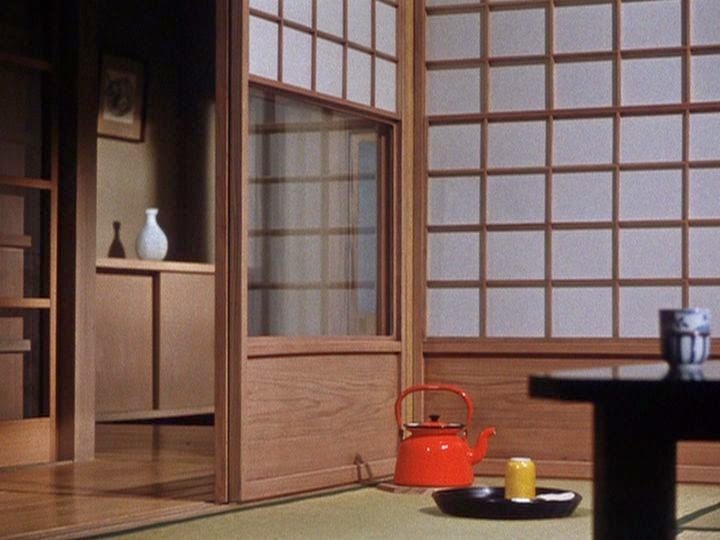
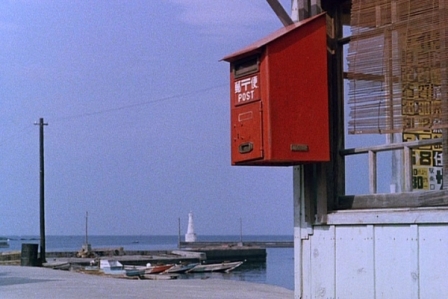
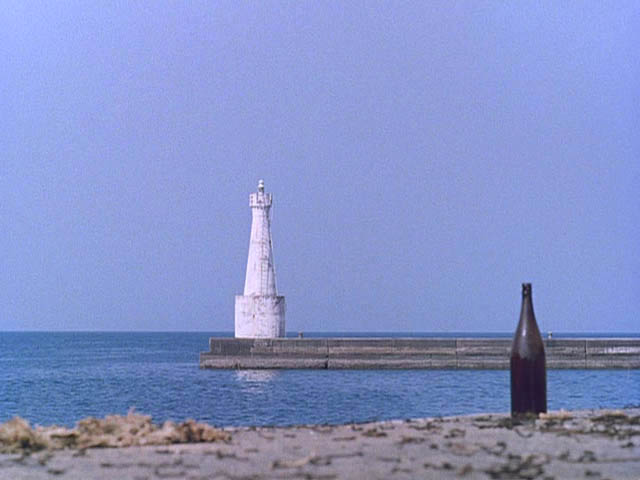
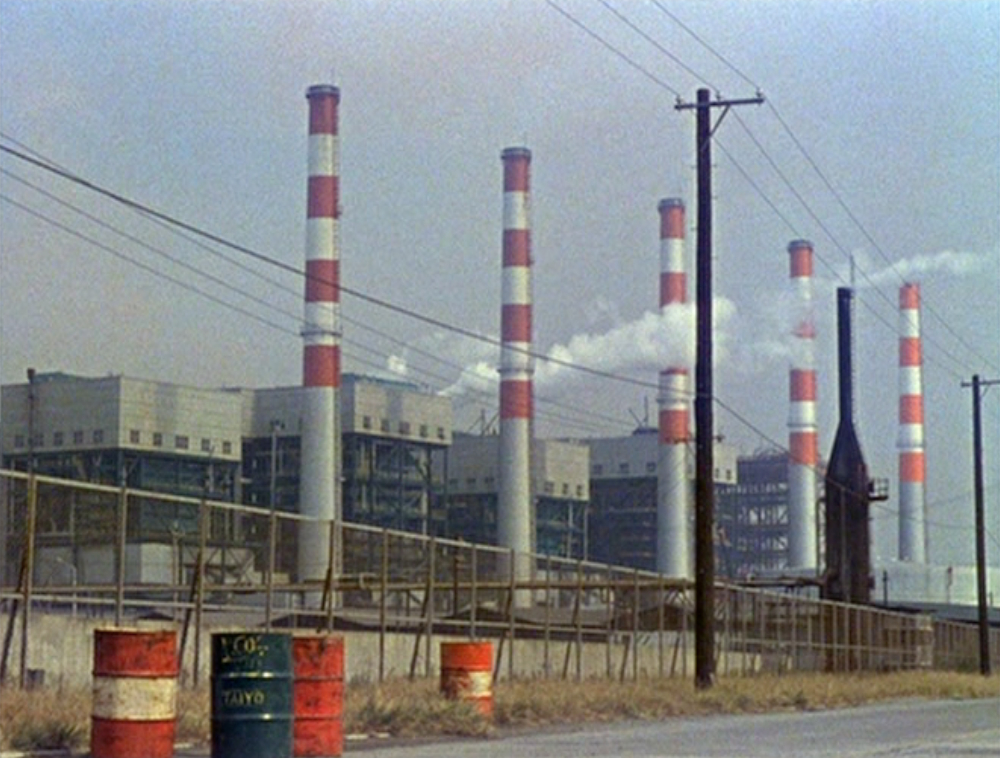
Anything by Yasujiro Ozu could appeal to photographers for lessons on framing and composition. He was a Japanese director who started making films in the silent era and continued until he died in 1963. He created beautiful images and he is known for his exquisite composition which is very photographer like in its style. He made frequent use of the color red in his imagery ..... for no reason other than that it looked good. Also he is known for shooting all of his films with a 50mm lens usually with deep depth of field- no bokeh for Ozu.
A couple of videos on his style:
https://www.youtube.com/watch?v=0Ra0xEQ8yaU
https://www.youtube.com/watch?v=ujAldDnOYWQ&t=121s
And some typical Images:

I watched Stanley Kubrick's "Barry Lyndon" last night, most out of curiosity about the cinematography. I had read it was shot in all natural light but apparently some of the scenes were augmented with supplemental lighting. The candlelit scenes were filmed by just the light of the candles. The candles were made of a special mixture and had three wicks to insure they would burn brightly. I was trying to find out more details on the lens he used and found this:http://neiloseman.com/barry-lyndon-the-full-story-of-the-famous-f0-7-lenses/


If you'd rather see movies where the photography itself is what's inspirational (rather than just the story of a real or fictional image maker), where every frame is a like perfectly composed portrait or landscape, you can look at look at Kubrick's Barry Lyndon and Tarkovsky's Stalker.


