WJJ3
Well-known
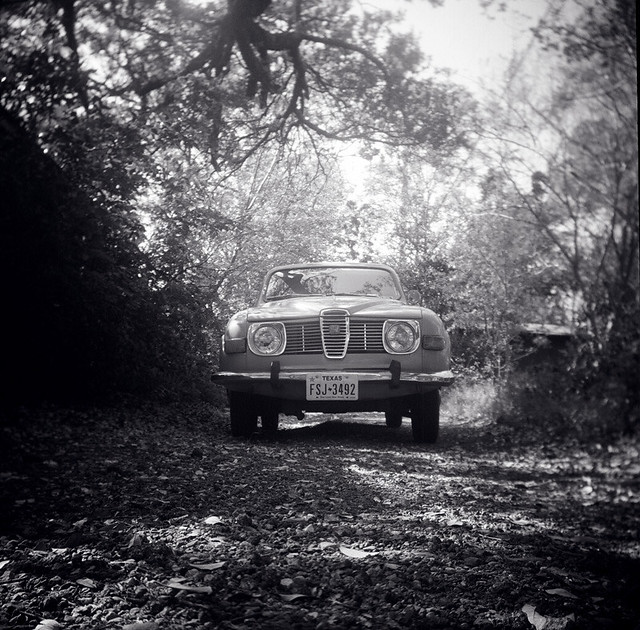
In every example posted here, my eye goes directly to the center of the shot. That's how we see things. Humans are also self interested, meaning that if there's a person in a pic it gets our attention first, then the eye goes to other stuff. People who have cats see this all the time. When another cat pops up on the telly or monitor, their cat focuses right on that.
I never gave corner sharpness any consideration, although some landscape photographers make a fetish of it. In over 4 decades of making images and hanging out and showing in galleries and museums, I have never once heard anyone say "oh, look how sharp the corners are in that shot". It's all about the image, not sharpness, bokeh, corner detail, etc.
Thanks for your thoughts on this. I tend to agree, but can't help but think there must be some images out there where it mattered...
...Or maybe highly corrected aspherical lenses are a lens designers artform meant to be admired simply for their advanced optical designs. I seem to recall seeing a story where a famous photographer (Salgado?) said he didn't like Leica's new 35mm aspherical summicron because it was too big or heavy or something, and the old one was fine...
Perfectionism about photography gear usually begins once the photographer's talent has peaked.
The obsession with lens sharpness and that other cringe-worthy term, 'lens rendering', begins once the photographer's early enthusiasm has run its course and reality has set in.
My images suck, its not because of me, its my lens, my camera, my camera sensor/film, my camera menu and dials my tripod, and etc. etc..
You're correct, soft corners in a photo is not going to make or break that photo, especially with photoshop, but its easy and rewarding (buying stuff) to blame the gear, rather than one's own limited abilities...
Thanks, yeah, definitely some cringe-worthy terms get used to describe different lens' image characteristics (@@). I'm willing to keep an open mind and think that there probably are images which benefited from a particular lens' optical qualities, but my openness extends only as far as the actual images that would support any claims that a better / stronger image resulted from a state of the art lens.
Hoping to see some more examples!