


rhl-oregon
Cameras Guitars Wonders
Since June of last year I have been working on a project concerned with Juneteenth in the North Carolina Sandhills, where I have been living for two years, and where many maternal ancestors are buried.
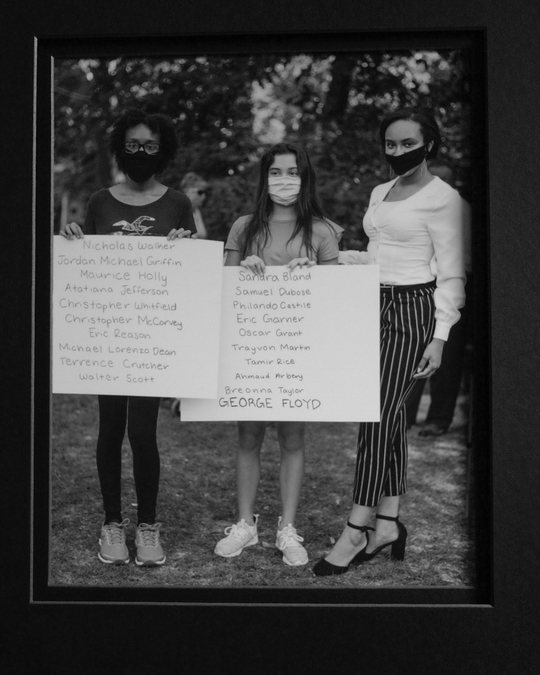
The project was funded by NCArts in December 2020. Since then I have made hundreds of images of people at work, at worship, at play, at community events and in conversation over an area comprising 5 counties and a number of small towns.
Yesterday, June 15 2021, I submitted the grant report to the local arts council through which I received NCArts funding. A few hours later, National Public Radio reported that the US Senate unanimously passed a bill to make Juneteenth a federal holiday.
So I make this post in wonder and joy, with hope for healing and reconciliation in the Juneteenth holidays to come.
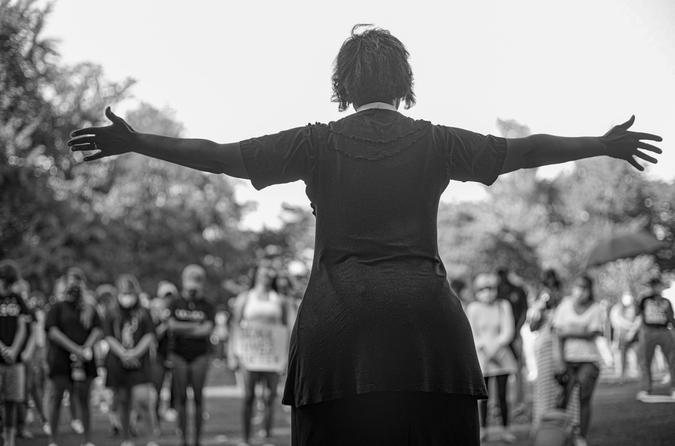
The project started in response to the deaths of Ahmaud Arbery, George Floyd, Breonna Taylor, in a time of mourning, outcry, national controversy. I felt this keenly, and resolved to bear witness.
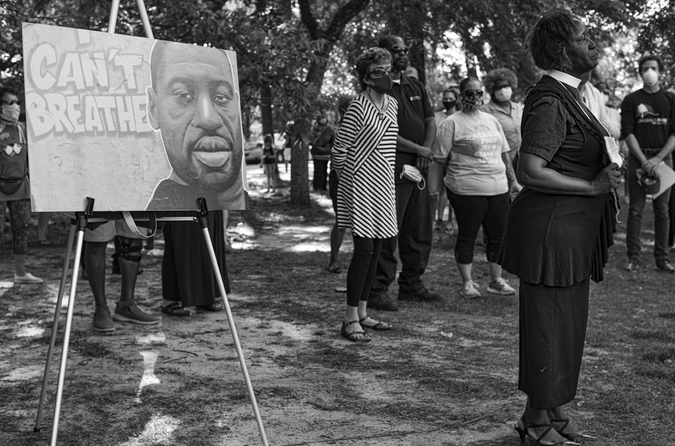
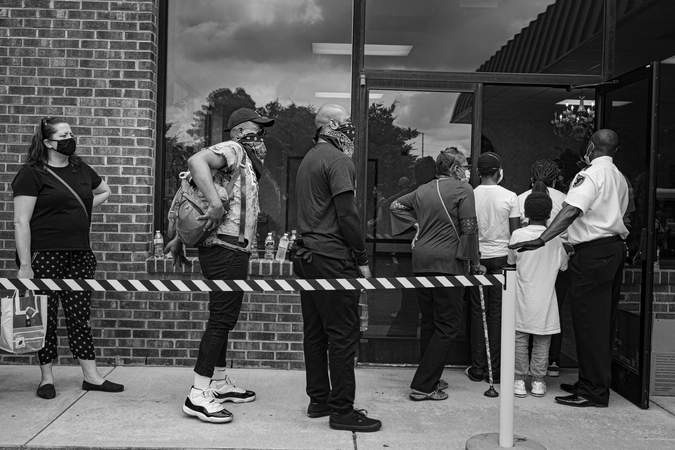
I was having my own lenses replaced at that time—I had my first cataract surgery the day before a George Floyd Memorial, and photographed his funeral/visitation in Raeford NC, where he spent boyhood, with one new eye and one old eye.
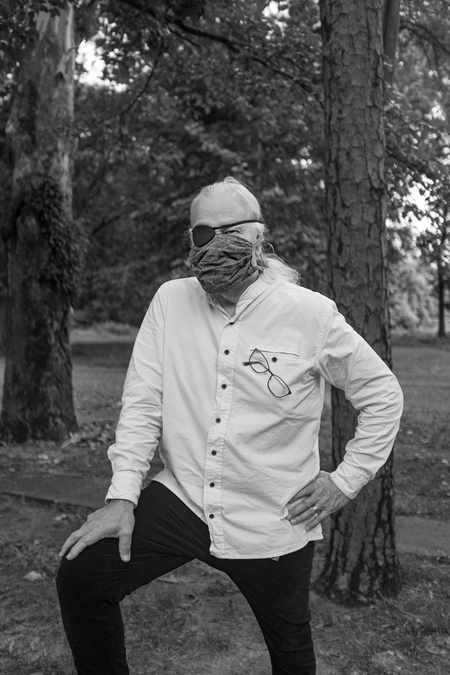
After making the following image of a line of mourners being admitted one by one to visit Mr. Floyd’s body, I handed over my RX1 and GR to this usher and walked in. That image, made with my new 20/20 left eye, is committed to the darkroom of memory for as long as I live.
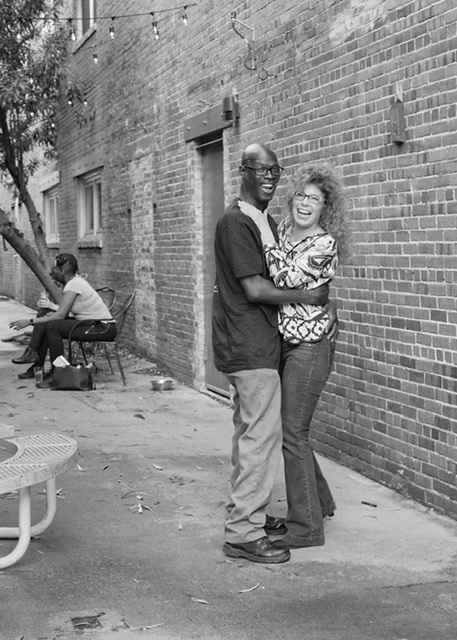
As I kept working on the project, consulting and portraying ministers, entrepreneurs, civic leaders, teachers, and more in little towns stretching 60 miles along US1, I worked to make arc of the documentary images more affirmative than conflictive, more celebratory than denunciatory, more communal than an ongoing pursuit of tribunal. Juneteenth, after all, is a day of liberation and jubilee.
I am just an aging white man whose ancestors include slaveholders and abolitionists, accomplices and reconcilers. My great grandfather Long was the first judge in this state to preside over the conviction of a white man in a lynching; his older brother was in charge of a Klan camp in the town of their birth, and party to an infamous lynching there. I grew up with a portrait of the Black South Carolina evangelist Will Stinson over the dining table, painted with a halo by my evangelist grandfather McKendree Robbins Long. His son my father occasionally used the polite epithet “nigra” in disapproval at the same table, and it was a needle in my heart.
I am, in other words, a minuscule part of the immense historical American problem, seeking to cast his little light on its solution. Nearly everyone I met and photographed, I asked, ‘Imagine if the US celebrated the liberation of those it historically victimized! Wouldn’t it make all of us understand the joys and responsibilities of liberation better?’
I’ll be running the project’s slideshow at the Juneteenth Festival of Healing and Reconciliation this Saturday at Cardinal Park, a historically Black recreation area in Pine Bluff NC. Some of the images are part of my BLM exhibit in the Pittsboro Gallery of Arts, where I am a member. Others are being exhibited in Art Against Racism (.com) and at the Edward Dixon Gallery in Dayton, Ohio.
For once, I feel I have contributed at the right time with my whole heart to a historical moment.
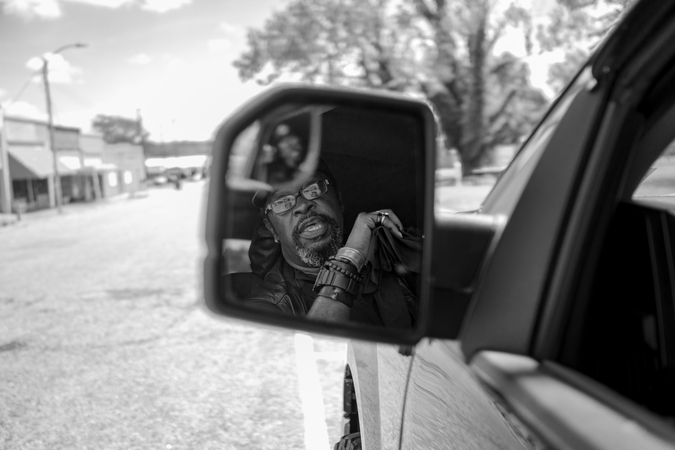
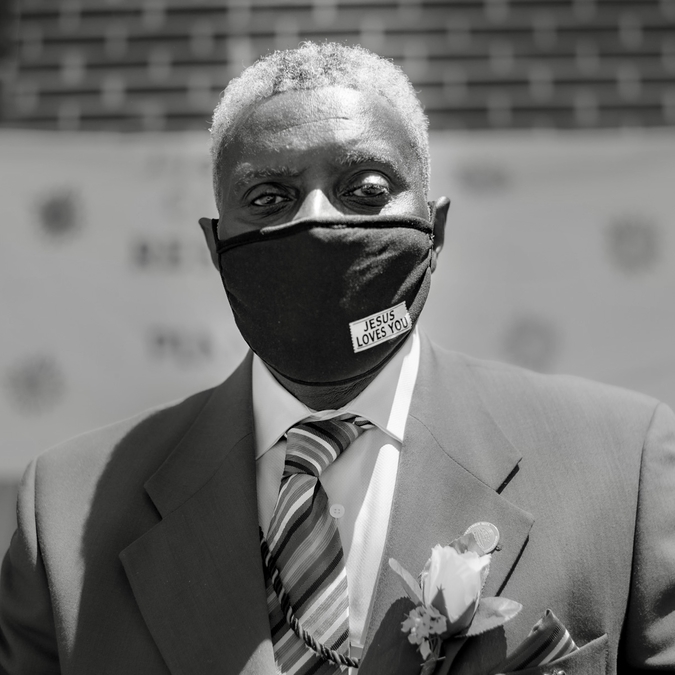
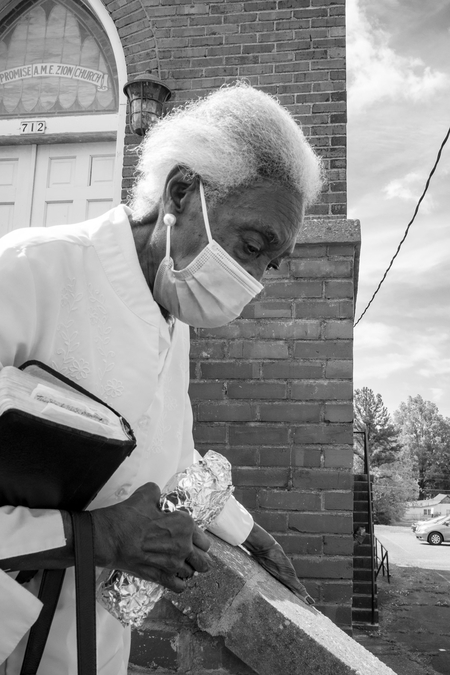
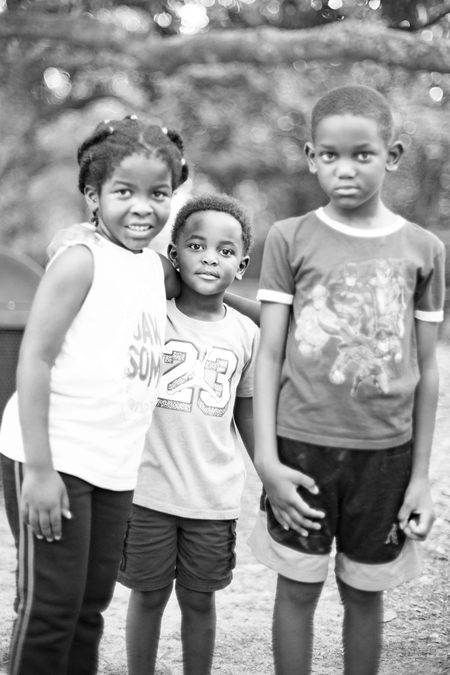
Here are a few more images from the project. I will update this post when the accompanying webpage is ready.
Equipment used:
Leica M10 Monochrome, 50 1.4 Summilux, 50 2.8 Elmar, 90 4.0 Elmar, ZM 35 2.0, ZM 21 2.8, CV 50 1.1
Sony A7II Kolari, FE 55 1.8, 85 1.8
RX1, GR, GRIII
(a few from my old M5 and Fuji GF 670)
The project was funded by NCArts in December 2020. Since then I have made hundreds of images of people at work, at worship, at play, at community events and in conversation over an area comprising 5 counties and a number of small towns.
Yesterday, June 15 2021, I submitted the grant report to the local arts council through which I received NCArts funding. A few hours later, National Public Radio reported that the US Senate unanimously passed a bill to make Juneteenth a federal holiday.
So I make this post in wonder and joy, with hope for healing and reconciliation in the Juneteenth holidays to come.
The project started in response to the deaths of Ahmaud Arbery, George Floyd, Breonna Taylor, in a time of mourning, outcry, national controversy. I felt this keenly, and resolved to bear witness.
I was having my own lenses replaced at that time—I had my first cataract surgery the day before a George Floyd Memorial, and photographed his funeral/visitation in Raeford NC, where he spent boyhood, with one new eye and one old eye.
After making the following image of a line of mourners being admitted one by one to visit Mr. Floyd’s body, I handed over my RX1 and GR to this usher and walked in. That image, made with my new 20/20 left eye, is committed to the darkroom of memory for as long as I live.
As I kept working on the project, consulting and portraying ministers, entrepreneurs, civic leaders, teachers, and more in little towns stretching 60 miles along US1, I worked to make arc of the documentary images more affirmative than conflictive, more celebratory than denunciatory, more communal than an ongoing pursuit of tribunal. Juneteenth, after all, is a day of liberation and jubilee.
I am just an aging white man whose ancestors include slaveholders and abolitionists, accomplices and reconcilers. My great grandfather Long was the first judge in this state to preside over the conviction of a white man in a lynching; his older brother was in charge of a Klan camp in the town of their birth, and party to an infamous lynching there. I grew up with a portrait of the Black South Carolina evangelist Will Stinson over the dining table, painted with a halo by my evangelist grandfather McKendree Robbins Long. His son my father occasionally used the polite epithet “nigra” in disapproval at the same table, and it was a needle in my heart.
I am, in other words, a minuscule part of the immense historical American problem, seeking to cast his little light on its solution. Nearly everyone I met and photographed, I asked, ‘Imagine if the US celebrated the liberation of those it historically victimized! Wouldn’t it make all of us understand the joys and responsibilities of liberation better?’
I’ll be running the project’s slideshow at the Juneteenth Festival of Healing and Reconciliation this Saturday at Cardinal Park, a historically Black recreation area in Pine Bluff NC. Some of the images are part of my BLM exhibit in the Pittsboro Gallery of Arts, where I am a member. Others are being exhibited in Art Against Racism (.com) and at the Edward Dixon Gallery in Dayton, Ohio.
For once, I feel I have contributed at the right time with my whole heart to a historical moment.
Here are a few more images from the project. I will update this post when the accompanying webpage is ready.
Equipment used:
Leica M10 Monochrome, 50 1.4 Summilux, 50 2.8 Elmar, 90 4.0 Elmar, ZM 35 2.0, ZM 21 2.8, CV 50 1.1
Sony A7II Kolari, FE 55 1.8, 85 1.8
RX1, GR, GRIII
(a few from my old M5 and Fuji GF 670)


