egardner
Newbie
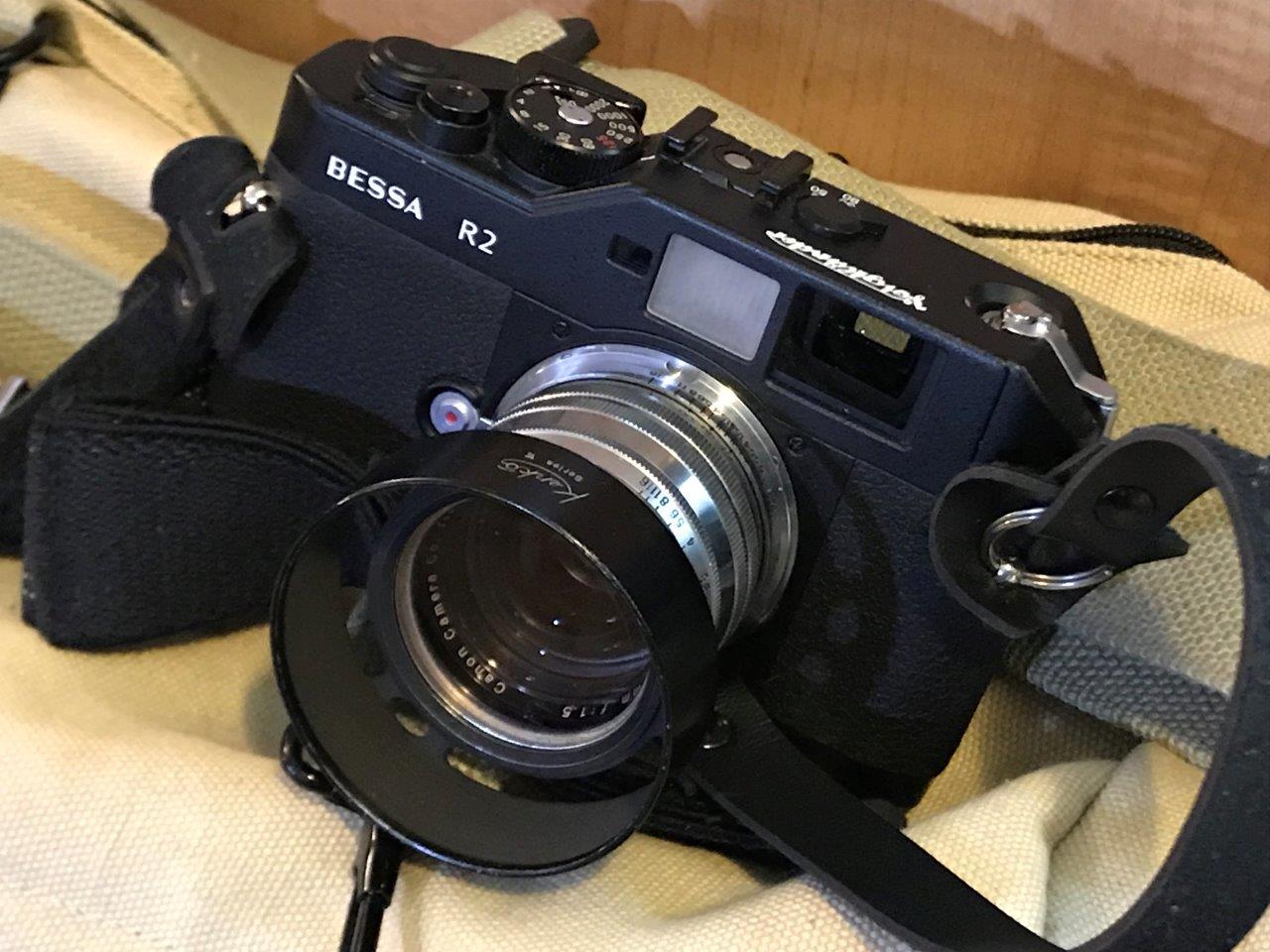
Some impressions of the Bessa R2 after 3 years of real-world use, in the hopes that some here may find them interesting.
Three years ago, I decided that I would take my budding interest in film photography to the next level and buy one of these "rangefinder" cameras that I had heard so much about. The touted advantages of these cameras (small size, simple and intuitive controls, an unobtrusive profile, and great lenses) sounded really appealing, but I couldn't justify the cost of something like an M6 to myself. This was just a hobby after all.
Instead, I settled on the humble Voigtlander R-series as the best way to get into this kind of photography without spending a fortune (shoutout to Stephen Gandy / CameraQuest, whose site was really useful here). I purchased a mint-condition Bessa R2 and a Canon screw-mount 50mm f1.4 lens (aka the "Japanese Summilux"), both from Japan. I spent around $700 for both items in near-mint condition.
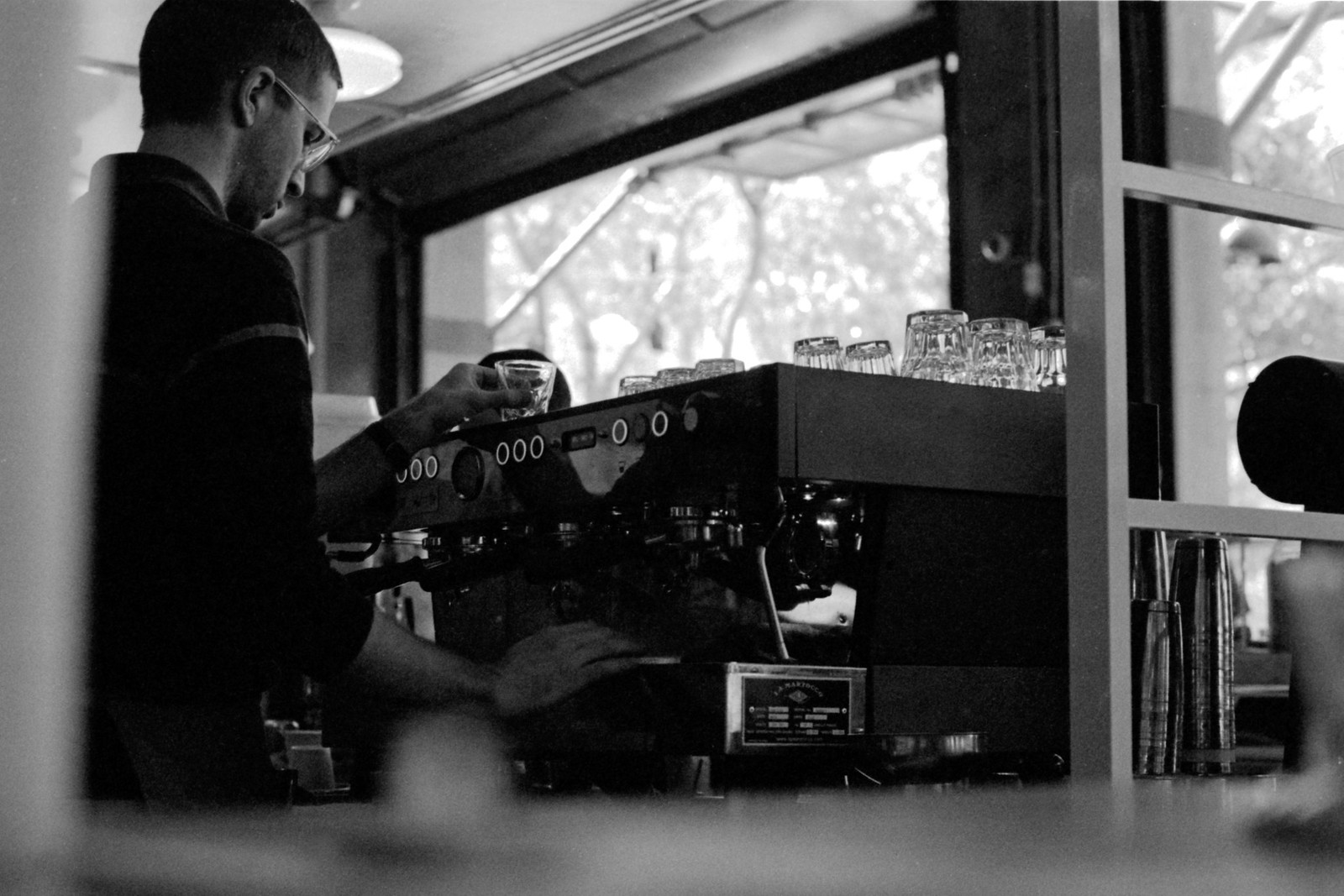
Pulling Shots by Eric Gardner, on Flickr
Three years later, I have never enjoyed using a camera as much as this one (though my Yashica TLR also holds a special place in my heart). It is so simple – the Bessa R2 is an exercise in functional minimalism. This makes the camera a real pleasure to use, and it has ended up accompanying me at a lot of important moments. It has become a pen that produces the diary of images of my life.
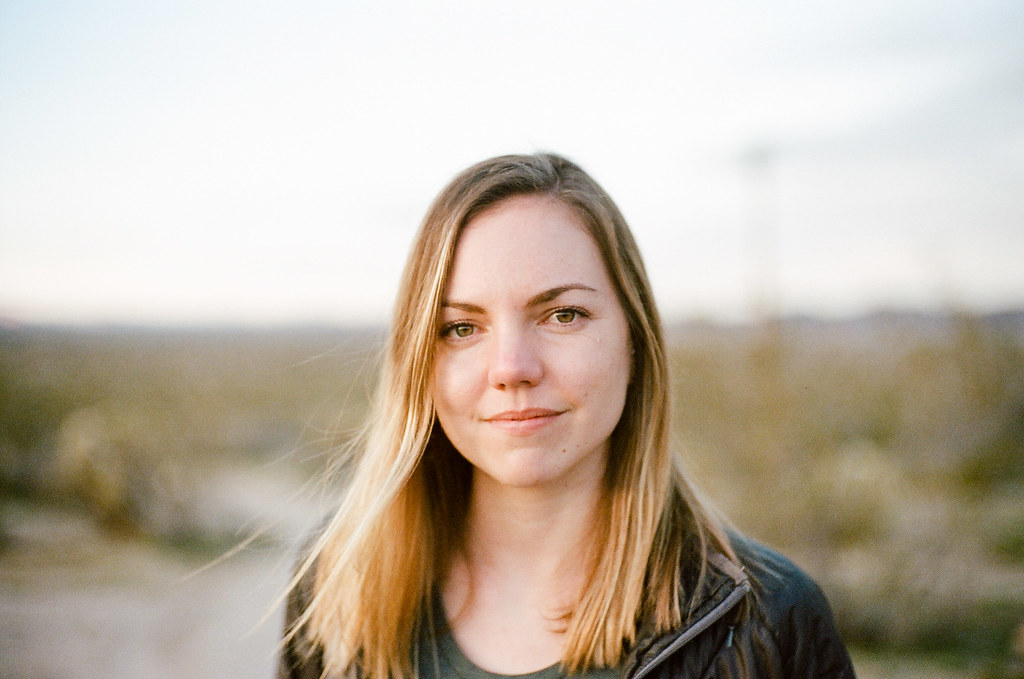
Joshua Tree, CA by Eric Gardner, on Flickr
I've experimented with a few other lenses (the 15mm Heliar is really amazing, and the 35mm Nokton is great but fickle in my opinion). But I keep coming back to the 50mm. It balances perfectly on the camera and feels really solid. The standard perspective, crisp-but-not-overly-sharp focus, and painterly out of focus backgrounds give the images it creates the character of real life, only better. Kind of like memories.
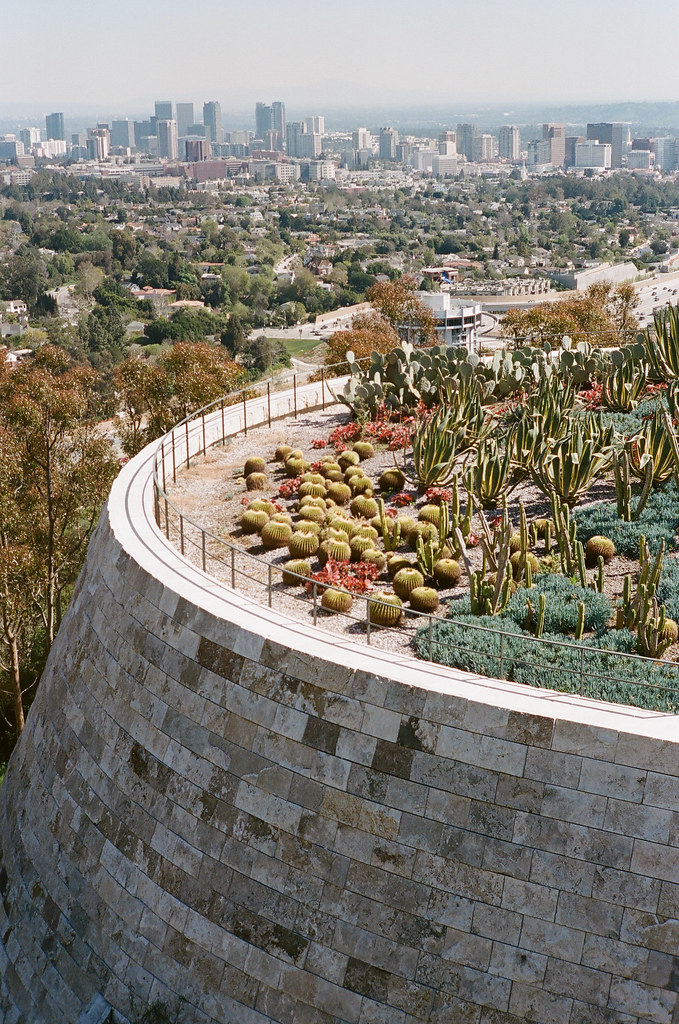
View of LA from the Getty Center by Eric Gardner, on Flickr
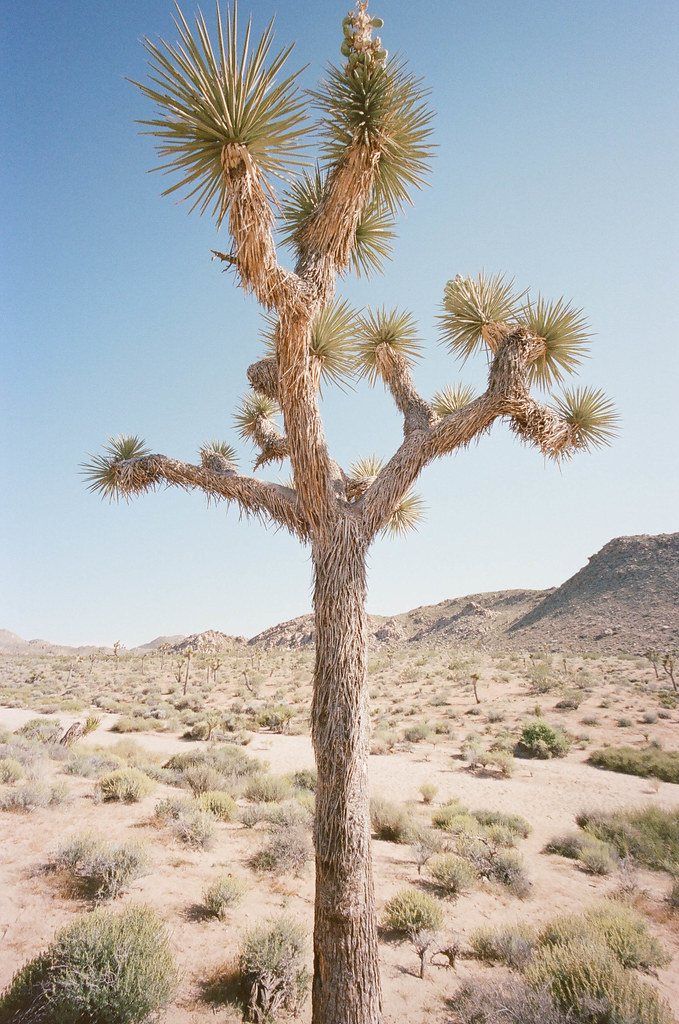
Joshua Tree by Eric Gardner, on Flickr
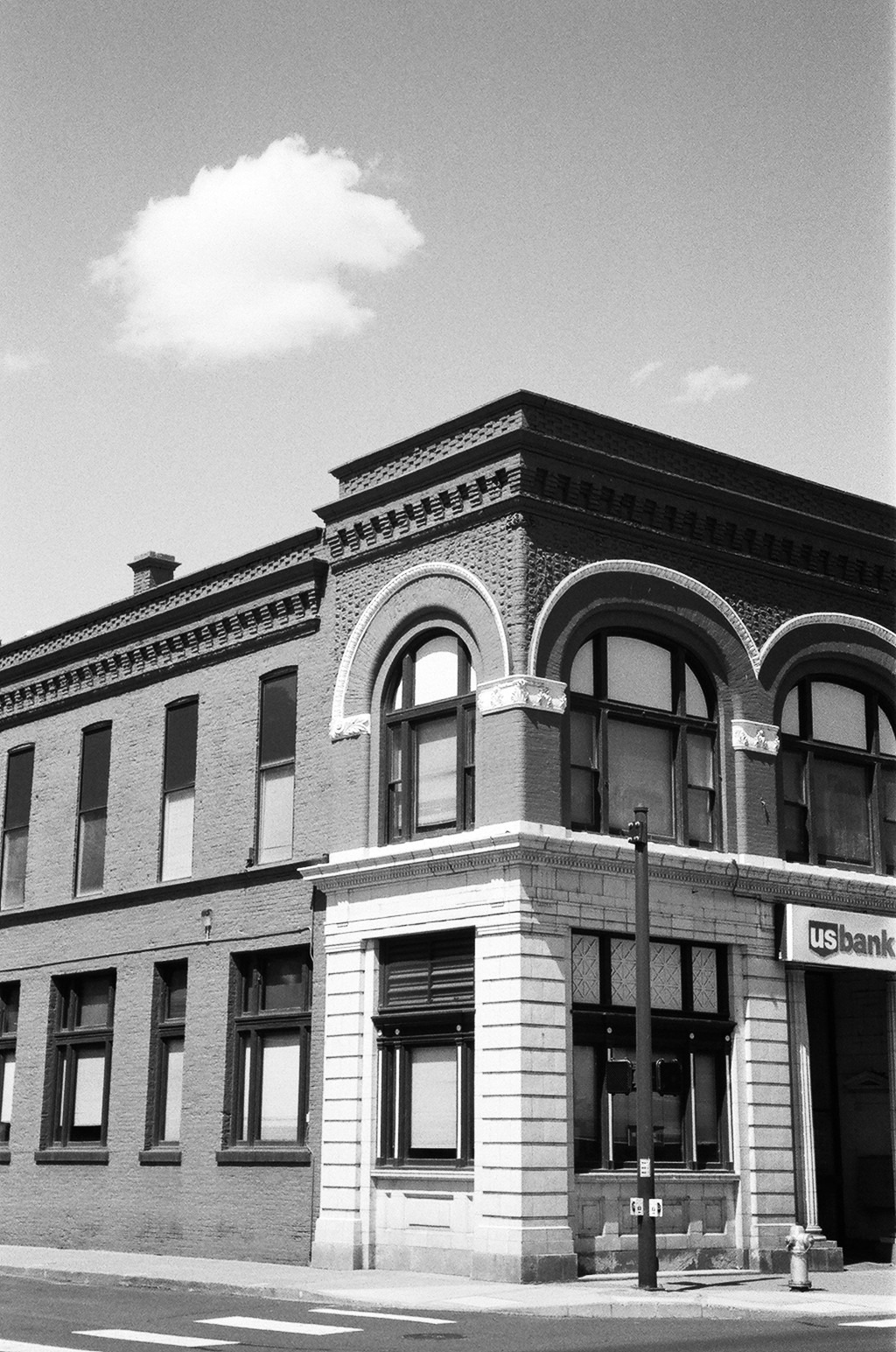
Aside from requiring a rangefinder re-calibration due to falling off of a bicycle (thanks, Blue Moon Camera!), the Bessa has functioned flawlessly. The built-in meter "just works", though the wide latitude of negative film probably helps here. I don't even recall changing its batteries. Everything else is 100% mechanical, meaning I never have to worry about the camera dying in the field (can't say the same about my OM-2s, sadly). Finally, the 1/2000s shutter speed was a god-send when I lived in sun-drenched Los Angeles (haven't needed that setting so much since moving to Portland earlier this year).

Cathedral Park by Eric Gardner, on Flickr
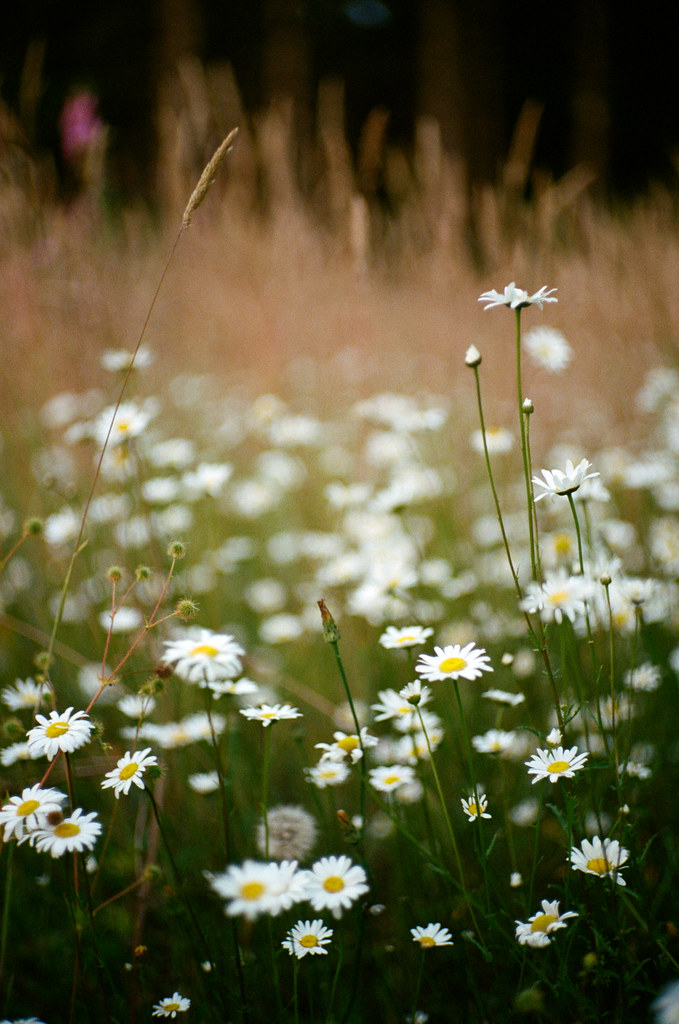
Wildflowers by Eric Gardner, on Flickr
In the years since I purchased it, this camera has really delivered on the "rangefinder experience", and it has changed the way I photograph. The Bessa is a great (but under-rated) tool, and I encourage anyone curious about this style of photography to give one a try.

Manzanita by Eric Gardner, on Flickr

Sunset 1 by Eric Gardner, on Flickr
Three years ago, I decided that I would take my budding interest in film photography to the next level and buy one of these "rangefinder" cameras that I had heard so much about. The touted advantages of these cameras (small size, simple and intuitive controls, an unobtrusive profile, and great lenses) sounded really appealing, but I couldn't justify the cost of something like an M6 to myself. This was just a hobby after all.
Instead, I settled on the humble Voigtlander R-series as the best way to get into this kind of photography without spending a fortune (shoutout to Stephen Gandy / CameraQuest, whose site was really useful here). I purchased a mint-condition Bessa R2 and a Canon screw-mount 50mm f1.4 lens (aka the "Japanese Summilux"), both from Japan. I spent around $700 for both items in near-mint condition.
Pulling Shots by Eric Gardner, on Flickr
Three years later, I have never enjoyed using a camera as much as this one (though my Yashica TLR also holds a special place in my heart). It is so simple – the Bessa R2 is an exercise in functional minimalism. This makes the camera a real pleasure to use, and it has ended up accompanying me at a lot of important moments. It has become a pen that produces the diary of images of my life.
Joshua Tree, CA by Eric Gardner, on Flickr
I've experimented with a few other lenses (the 15mm Heliar is really amazing, and the 35mm Nokton is great but fickle in my opinion). But I keep coming back to the 50mm. It balances perfectly on the camera and feels really solid. The standard perspective, crisp-but-not-overly-sharp focus, and painterly out of focus backgrounds give the images it creates the character of real life, only better. Kind of like memories.
View of LA from the Getty Center by Eric Gardner, on Flickr
Joshua Tree by Eric Gardner, on Flickr
Aside from requiring a rangefinder re-calibration due to falling off of a bicycle (thanks, Blue Moon Camera!), the Bessa has functioned flawlessly. The built-in meter "just works", though the wide latitude of negative film probably helps here. I don't even recall changing its batteries. Everything else is 100% mechanical, meaning I never have to worry about the camera dying in the field (can't say the same about my OM-2s, sadly). Finally, the 1/2000s shutter speed was a god-send when I lived in sun-drenched Los Angeles (haven't needed that setting so much since moving to Portland earlier this year).
Cathedral Park by Eric Gardner, on Flickr
Wildflowers by Eric Gardner, on Flickr
In the years since I purchased it, this camera has really delivered on the "rangefinder experience", and it has changed the way I photograph. The Bessa is a great (but under-rated) tool, and I encourage anyone curious about this style of photography to give one a try.
Manzanita by Eric Gardner, on Flickr
Sunset 1 by Eric Gardner, on Flickr