


chris000
Landscaper
In this 100th anniversary year of the start of World War 1, in the UK we are seeing many images of the horrors of that war and of the huge cemeteries in norther France and Flanders. However, the casualties were not confined to those who died in battle and I thought that I would post this
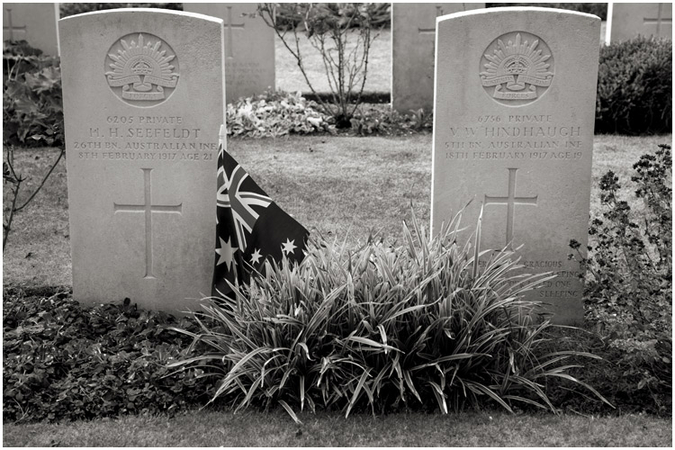
Many of the village cemeteries around Salisbury Plain include War Graves from both World Wars. These are graves of soldiers who died locally from accident, wounds or disease (including the horrendous Flu epidemics of 1917/1918). The two graves shown here are of Australian Infantry soldiers who came from half way around the world to finish their training on Salisbury Plain before going to France to fight. They Succumbed to flu, died from pneumonia and now rest in a small village cemetery in England, 12000 miles from home. There are 141 AIF graves in this one small cemetery alone.
Herbert Hector Seefeldt, 26th Bn. Australian Infantry, died 8th February 1917 aged 21. Born at Woongarra, Bundaberg, Queensland.
Victor William Hindhaugh, 5th Bn. Australian Infantry, died 18th February 1917 aged 19 - from Port Fairy, Victoria.

Many of the village cemeteries around Salisbury Plain include War Graves from both World Wars. These are graves of soldiers who died locally from accident, wounds or disease (including the horrendous Flu epidemics of 1917/1918). The two graves shown here are of Australian Infantry soldiers who came from half way around the world to finish their training on Salisbury Plain before going to France to fight. They Succumbed to flu, died from pneumonia and now rest in a small village cemetery in England, 12000 miles from home. There are 141 AIF graves in this one small cemetery alone.
Herbert Hector Seefeldt, 26th Bn. Australian Infantry, died 8th February 1917 aged 21. Born at Woongarra, Bundaberg, Queensland.
Victor William Hindhaugh, 5th Bn. Australian Infantry, died 18th February 1917 aged 19 - from Port Fairy, Victoria.


