mfogiel
Veteran
I love life.
Life is diversity, so is art and broad photography.
I simply like to explore every now and then a new visual approach: film, format, lens or a particular technique, to gain insight if this can enrich the way I record images.
For us, predominantly 35mm shooters, the limitation of the small format can become an asset, if we are willing to assign to grain an aesthetical function.
Here are some nice examples:
Jeanloup Sieff:
http://www.flickr.com/photos/41594565@N04/3854956215/in/set-72157622226218841/lightbox/
Ralph Gibson:
http://ozphotoreview.blogspot.com/2012_11_01_archive.html
Jing Huang:
http://media.blog.leica-camera.com/images/99.jpg
But, there is grain and grain... Particularly, things get complicated when you start using scanners, and grain aliasing alters what would be a normal grain appearance under an enlarger.
I scan on Nikon CS 9000, and try to avoid edge sharpening, to eliminate the "unnatural" grain appearance. However, I feel, that what ultimately counts, is simply the result on a print.
I've had interesting results with grain from 3 techniques:
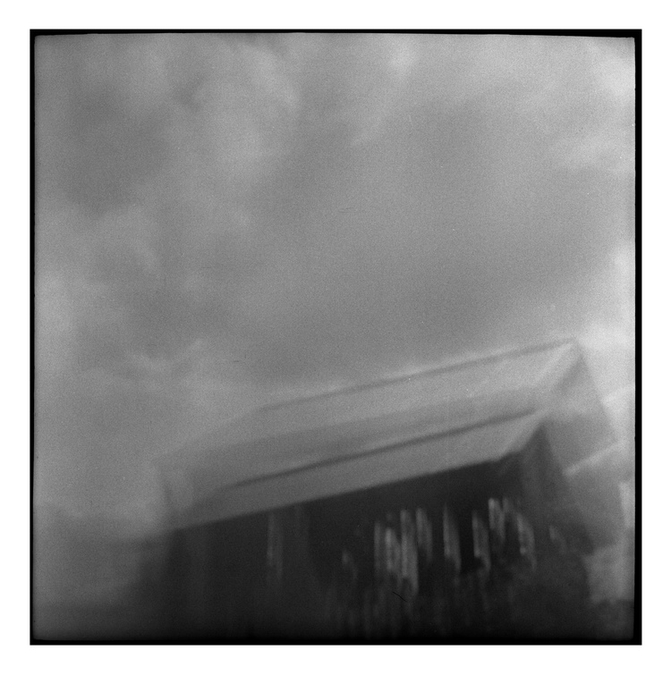
1) APX100 shot at EI 200 with a red filter, and pushed in Rodinal 1+50.
This shot comes from a half frame Pen F:

20103715 by mfogiel, on Flickr
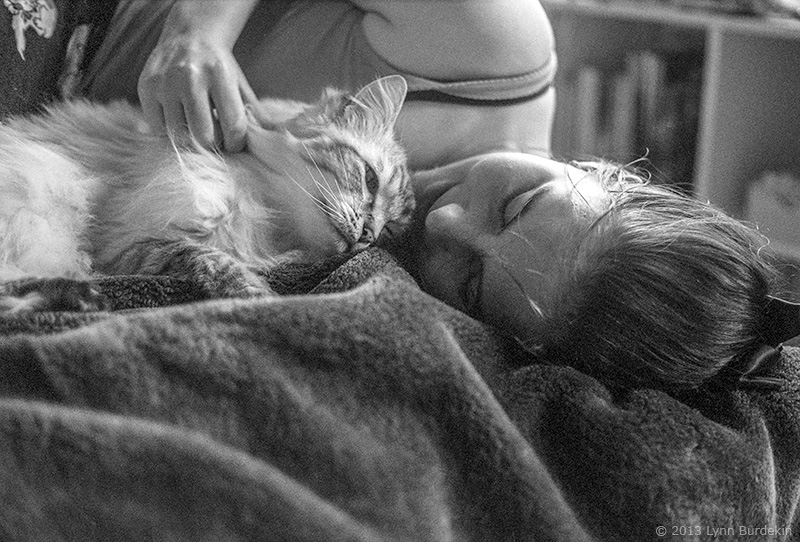
2) Tri X shot at EI 200 and developed in Prescysol EF:

2008050329 by mfogiel, on Flickr
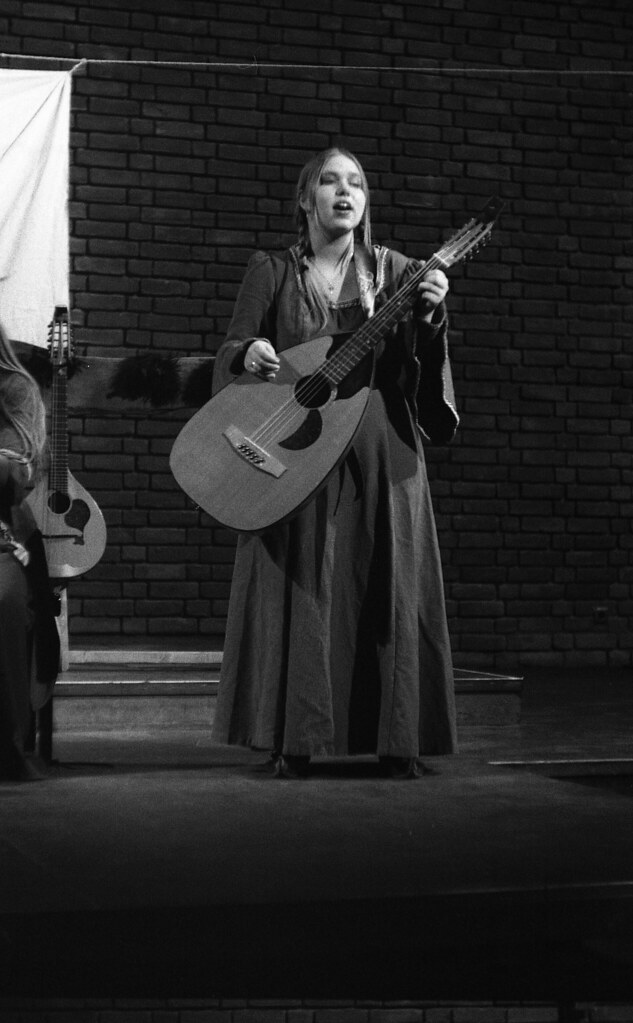
Tri X or Neopan 400 shot on long lenses (! ?), developed in HC 110:

20131123 by mfogiel, on Flickr
Please, share your tips for getting beautiful and well visible grain !
Life is diversity, so is art and broad photography.
I simply like to explore every now and then a new visual approach: film, format, lens or a particular technique, to gain insight if this can enrich the way I record images.
For us, predominantly 35mm shooters, the limitation of the small format can become an asset, if we are willing to assign to grain an aesthetical function.
Here are some nice examples:
Jeanloup Sieff:
http://www.flickr.com/photos/41594565@N04/3854956215/in/set-72157622226218841/lightbox/
Ralph Gibson:
http://ozphotoreview.blogspot.com/2012_11_01_archive.html
Jing Huang:
http://media.blog.leica-camera.com/images/99.jpg
But, there is grain and grain... Particularly, things get complicated when you start using scanners, and grain aliasing alters what would be a normal grain appearance under an enlarger.
I scan on Nikon CS 9000, and try to avoid edge sharpening, to eliminate the "unnatural" grain appearance. However, I feel, that what ultimately counts, is simply the result on a print.
I've had interesting results with grain from 3 techniques:
1) APX100 shot at EI 200 with a red filter, and pushed in Rodinal 1+50.
This shot comes from a half frame Pen F:
20103715 by mfogiel, on Flickr
2) Tri X shot at EI 200 and developed in Prescysol EF:
2008050329 by mfogiel, on Flickr
Tri X or Neopan 400 shot on long lenses (! ?), developed in HC 110:
20131123 by mfogiel, on Flickr
Please, share your tips for getting beautiful and well visible grain !