W/NW: transportation

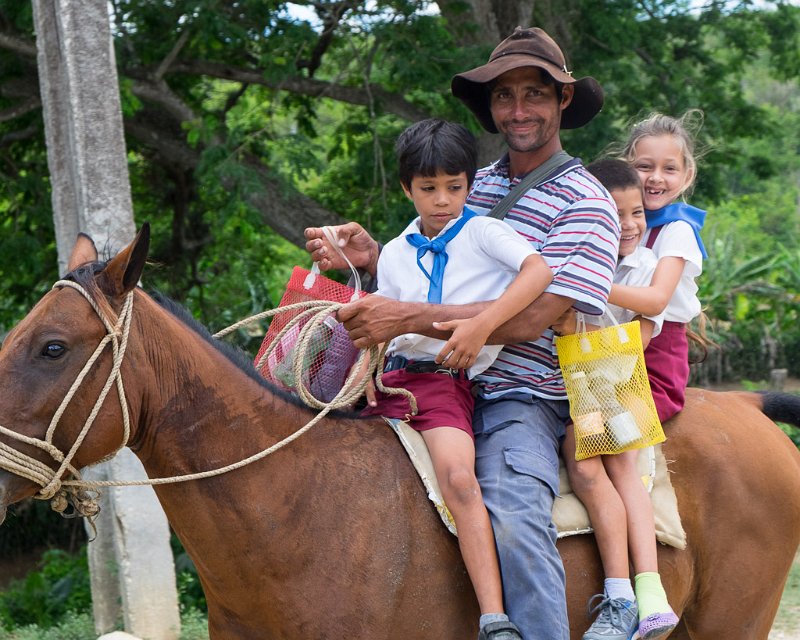
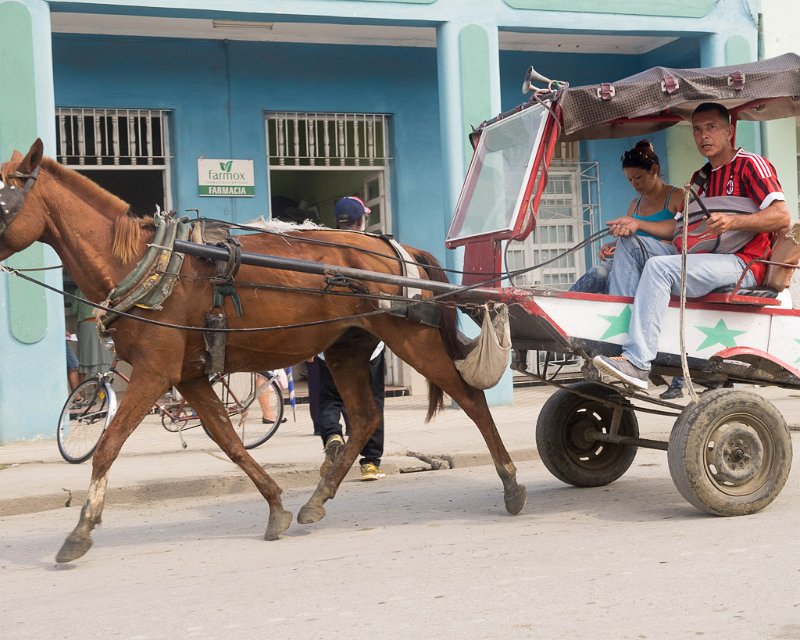
Barajagua, Holguin, Cuba: local picking up his kids from school as he does everyday. Horses are normal transportation in Cuba because they are inexpensive to use needing no petrol. Few Cubans can afford a halter or saddle but do fine with a rope and a blanket.

DSCF4725.jpg
 
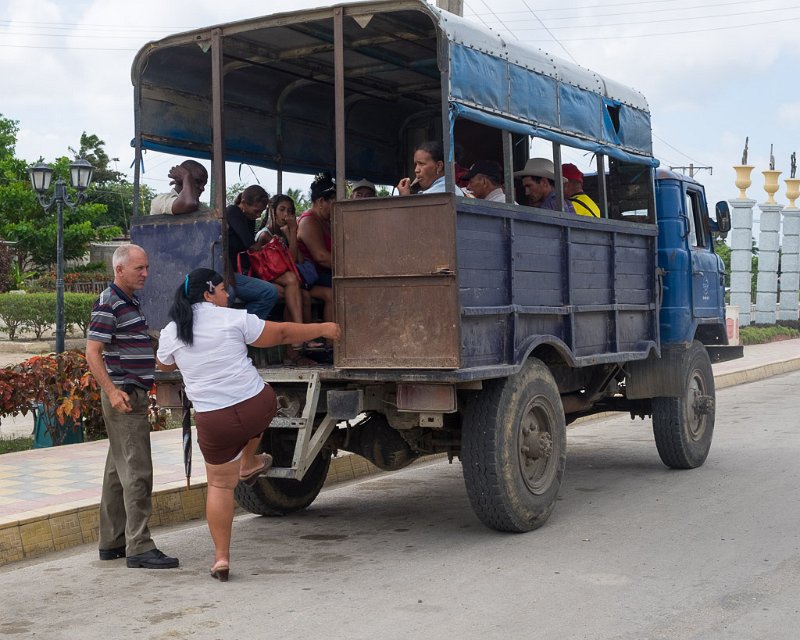
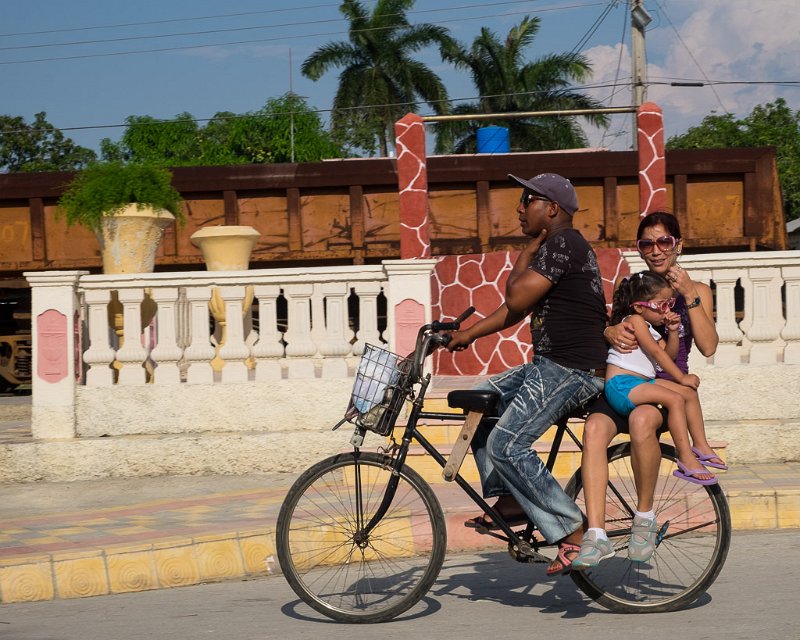
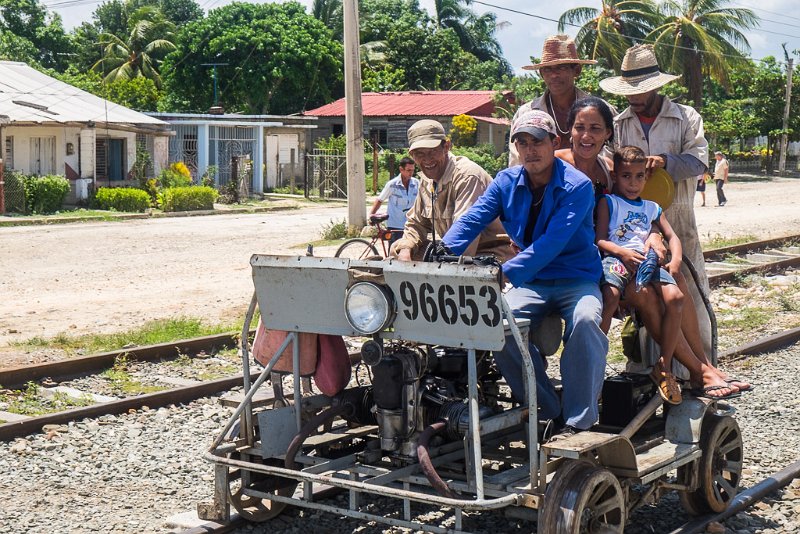
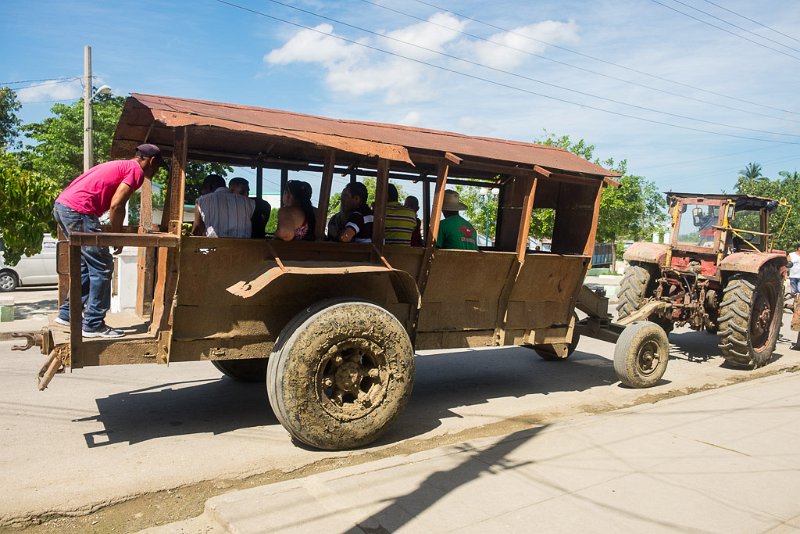
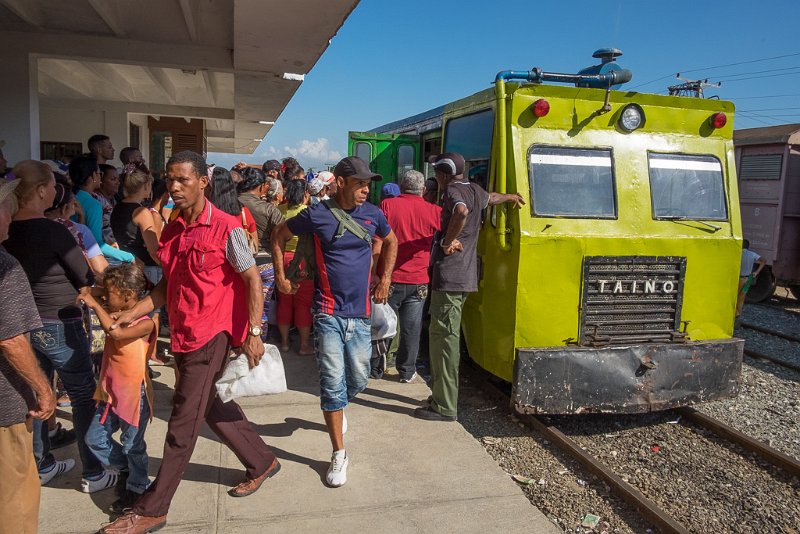
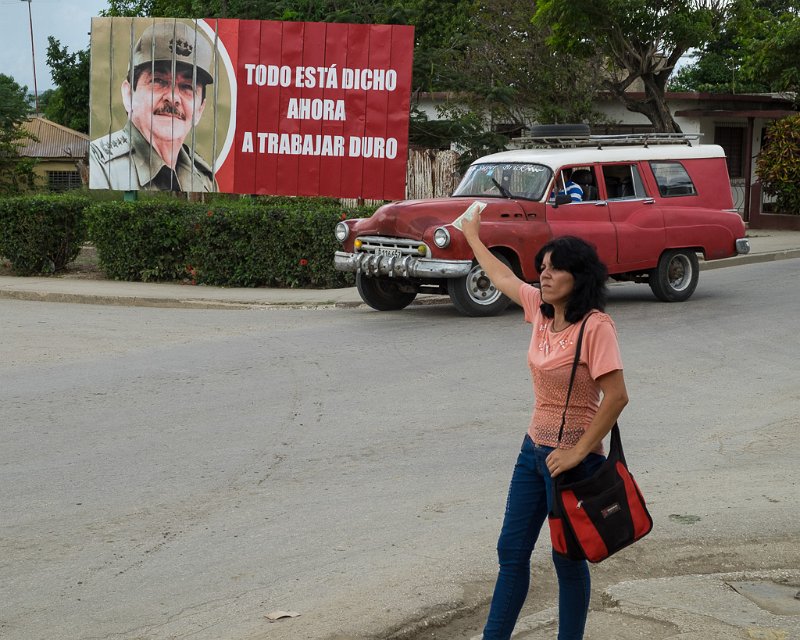
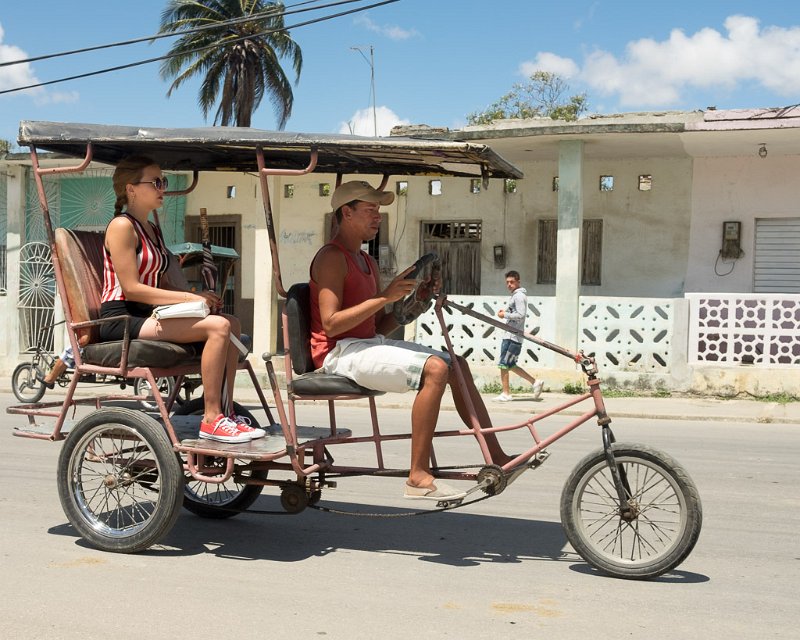
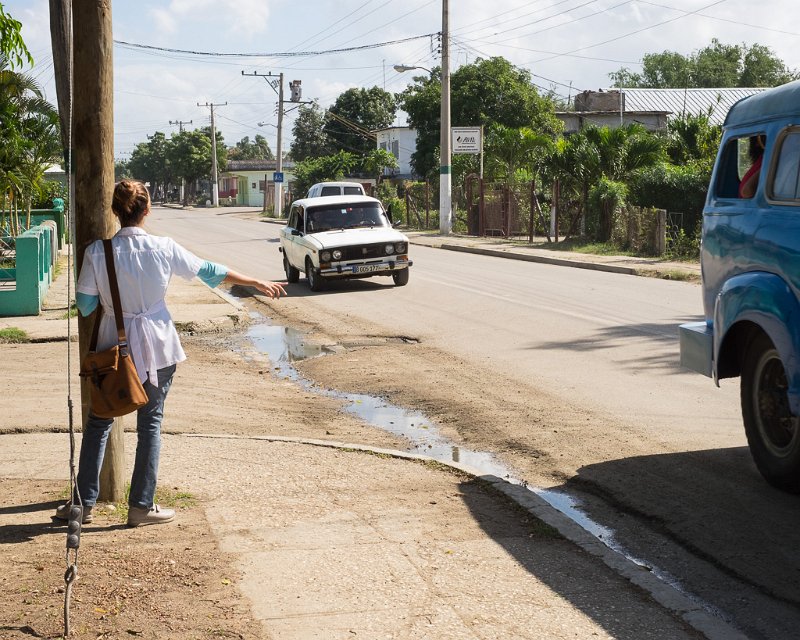
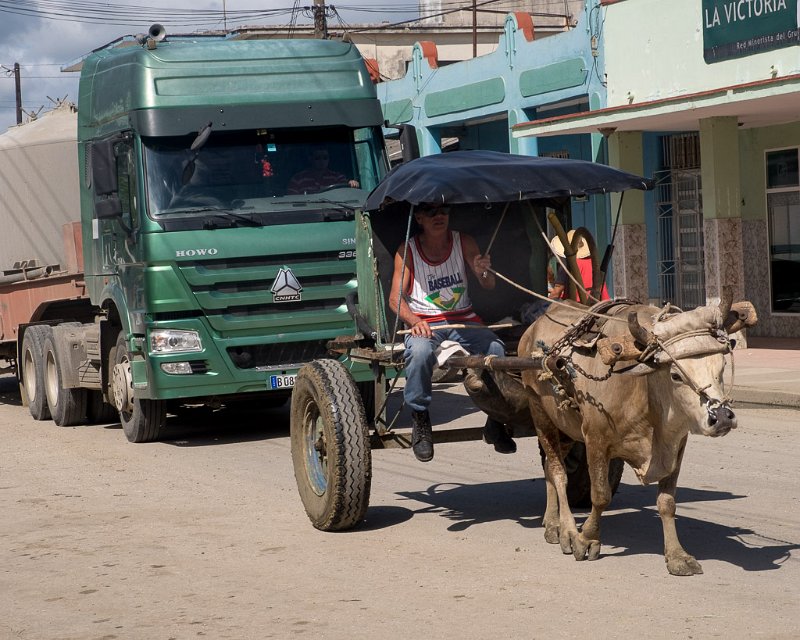
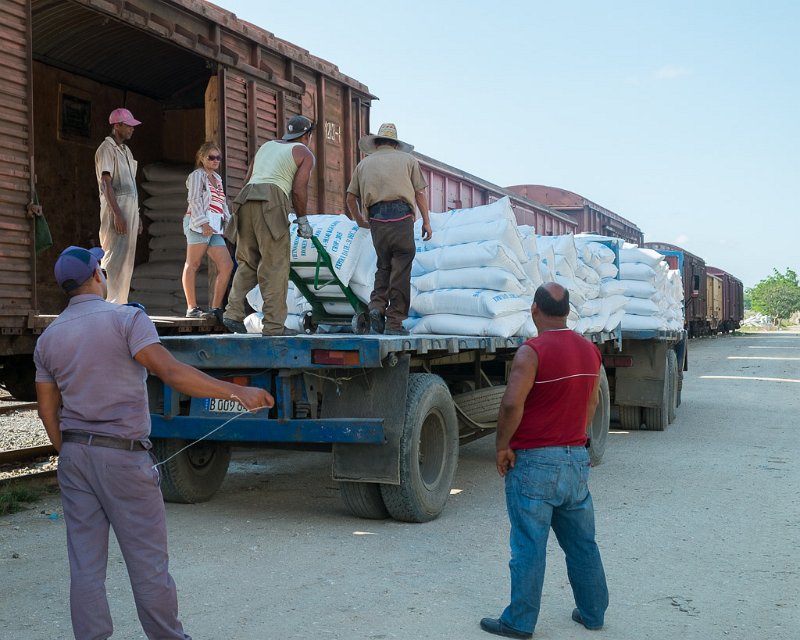
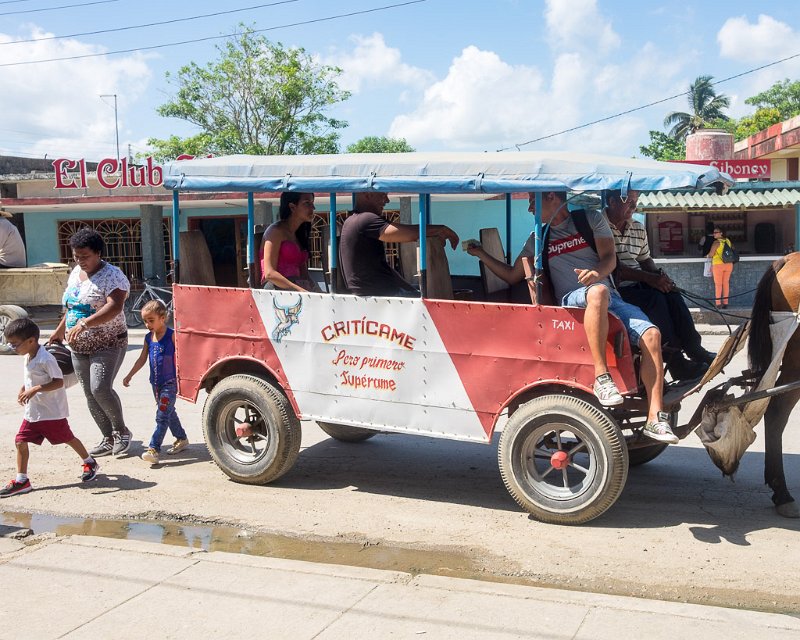
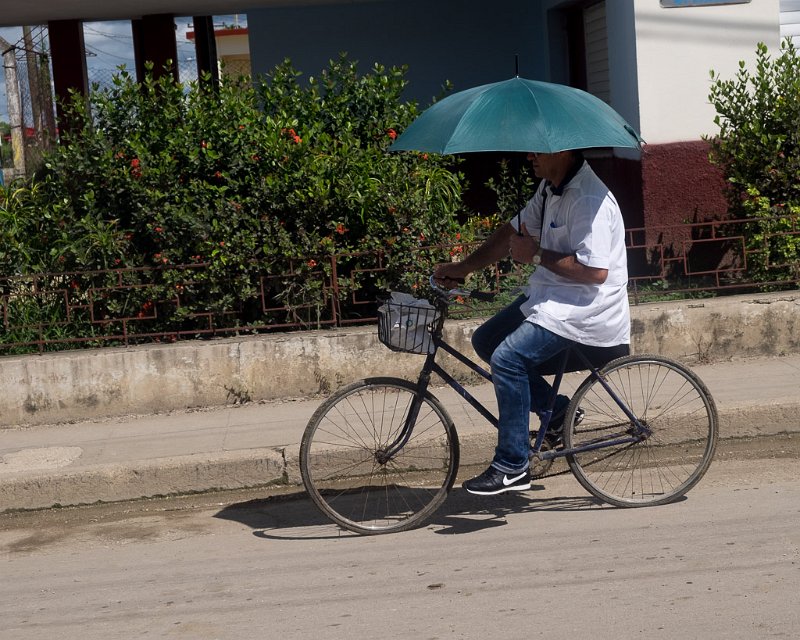
Here is a little photo story about some of the various modes of transportation seen around the one block downtown area of Cueto, the small town in eastern Cuba where I live part time. (13 photos)
DSCF4513.jpg


DSCF4435.jpg


sparkle%20w%20passengers%20Cueto.jpg


DSCF5019.jpg


DSCF3065.jpg


DSCF3162.jpg


DSCF7022.jpg


DSCF3297.jpg


DSCF5919.jpg


DSCF3099.jpg


DSCF3485.jpg


DSCF5934.jpg


DSCF5916.jpg


***************
 
What an engrossing story that is!. Thank you for posting.

Pentudlian and Kuuan: thanks. Transportation for Cubans has been a real problem for decades. However, their creativity, entrepreneurial spirit and social structure of sharing seems to bridge the gap. There are many who will use any sort of personal transportation as a business to deal with the overflow that official transport vehicles cannot handle. And, by law, any government vehicle of any type with available seating it required to give others a ride. I have had vehicles from school buses to police cars stop to give me a ride. Hitchhiking is commonplace even for young single females. I have ridden in the cabs of locomotives, shared the seat in tractors, and ridden in the back of many horse drawn wagons.

Using Cuban transportation in small towns is a real cultural experience. Too bad most tourists never go beyond paying big bucks to have a guide drive them around Havana in a 1950's American convertible.
 
1

210 Fwy West, Pasadena,

2

Pasadena,

3

Los Angeles International Airport,
Los Angeles County 2019

images by taipei-metro

g6, 14-42, media by Kingston Taiwan
 
Pentudlian and Kuuan: thanks. Transportation for Cubans has been a real problem for decades. However, their creativity, entrepreneurial spirit and social structure of sharing seems to bridge the gap. There are many who will use any sort of personal transportation as a business to deal with the overflow that official transport vehicles cannot handle. And, by law, any government vehicle of any type with available seating it required to give others a ride. I have had vehicles from school buses to police cars stop to give me a ride. Hitchhiking is commonplace even for young single females. I have ridden in the cabs of locomotives, shared the seat in tractors, and ridden in the back of many horse drawn wagons.

Using Cuban transportation in small towns is a real cultural experience. Too bad most tourists never go beyond paying big bucks to have a guide drive them around Havana in a 1950's American convertible.


Bob thank you so much for the very educating and beautiful report. Makes me want to visit Cuba all that more again! Ojala mi espanol me ayudaria a disfrutar la gente, su cultura y sus modos de transporte


Japan Taxi
by andreas, on Flickr, Pentax *istDs, Tele Kominar f3.5/135mm, Osaka 2008
 
Back
Top Bottom