peterm1
Veteran
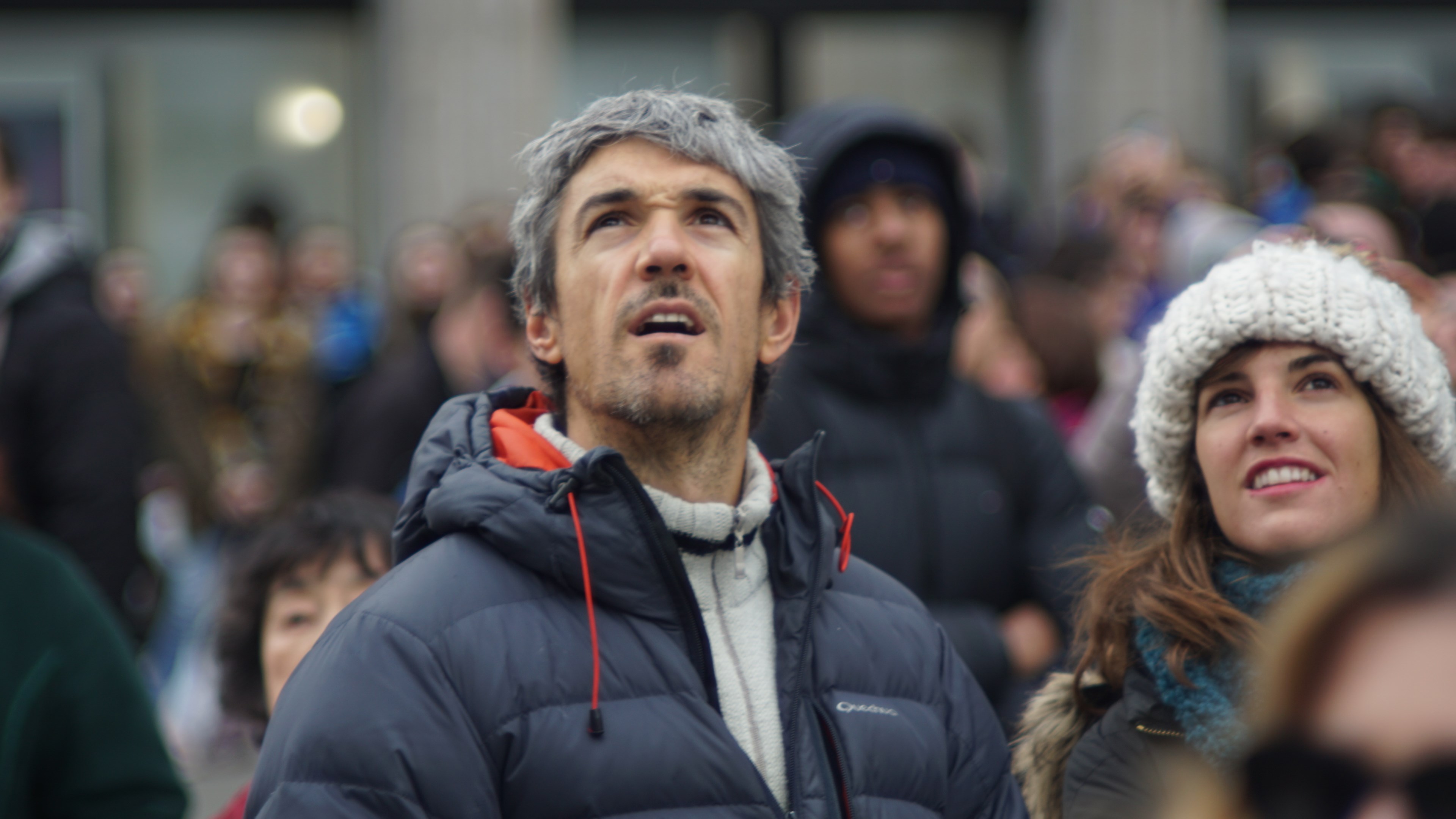
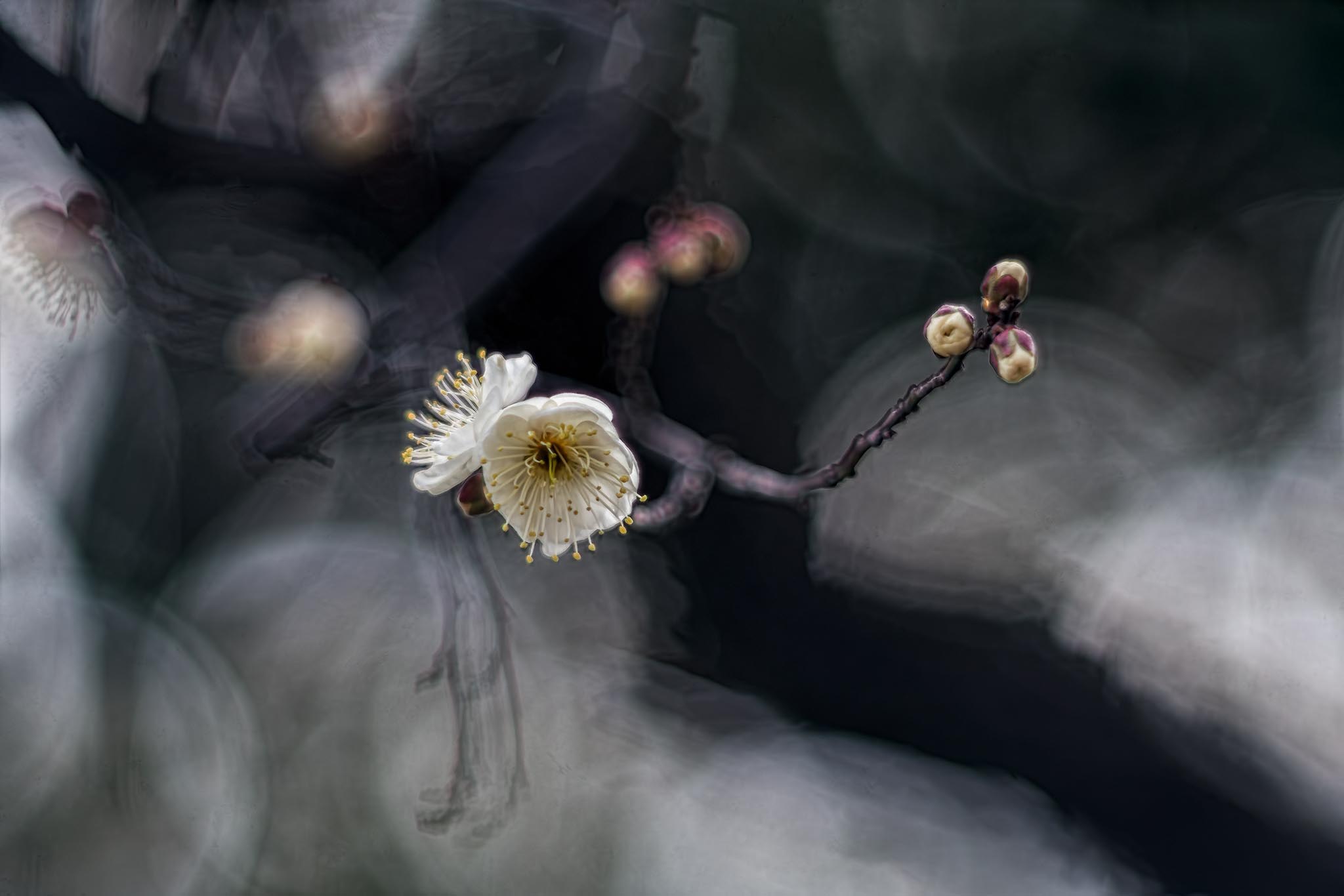
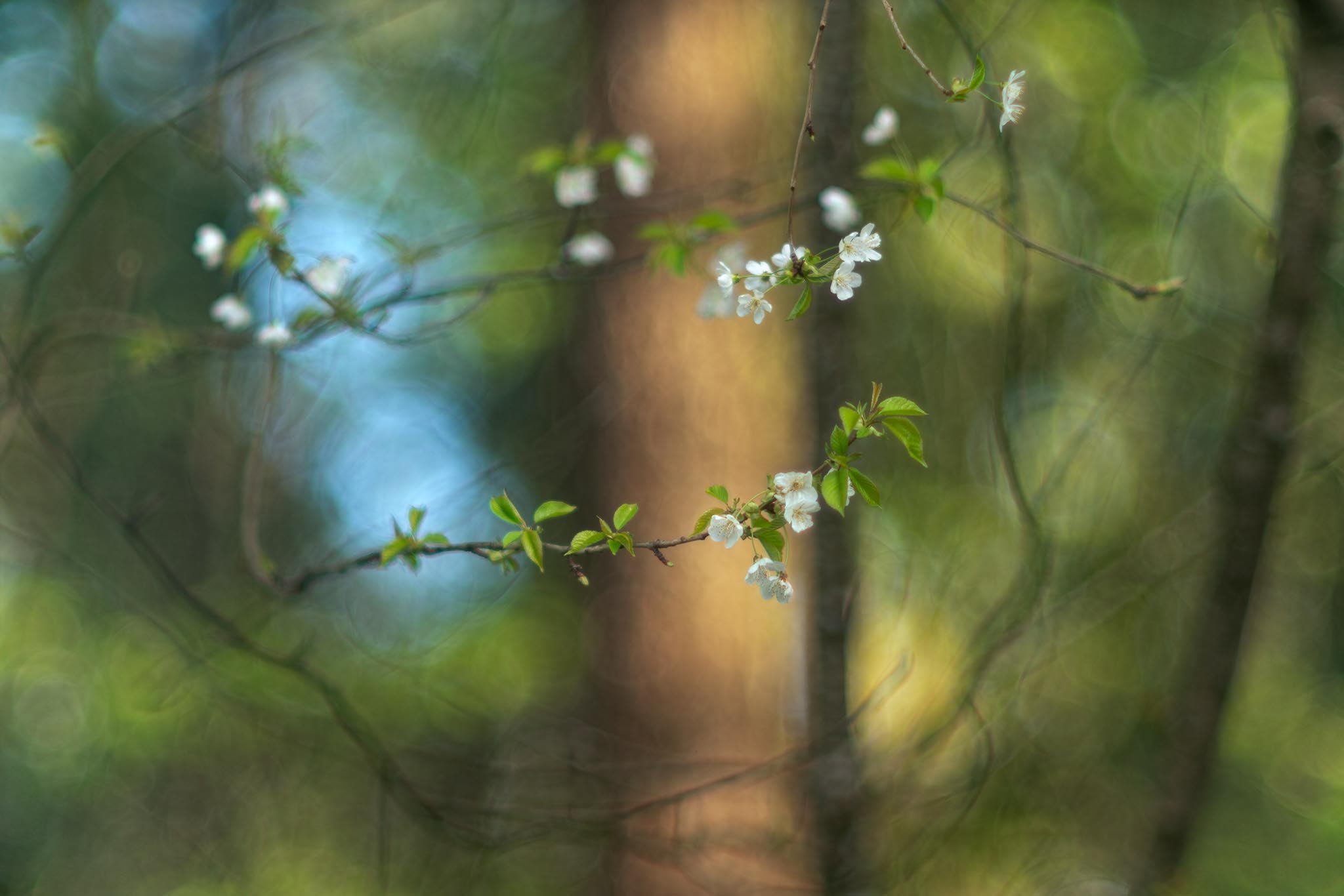
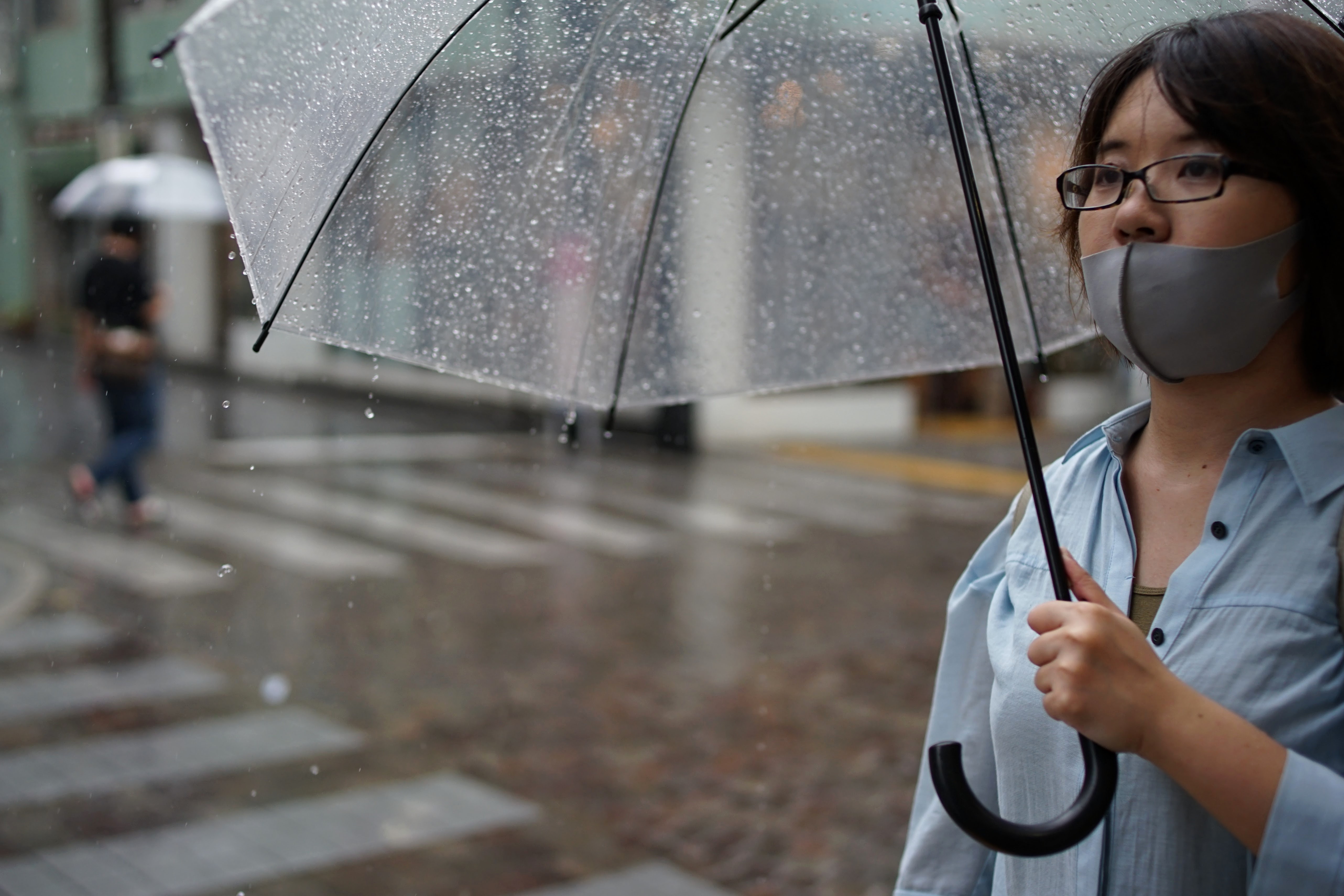
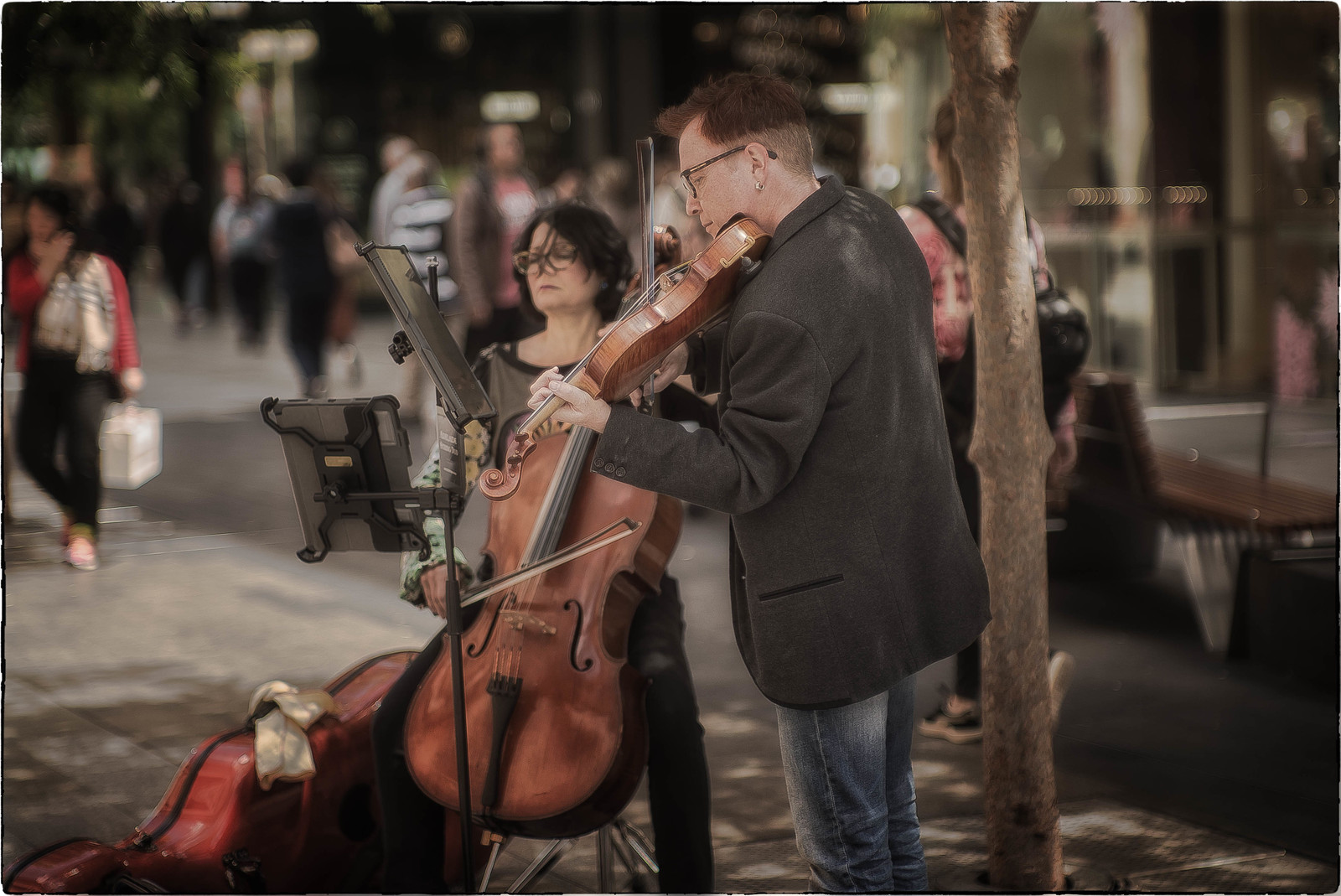
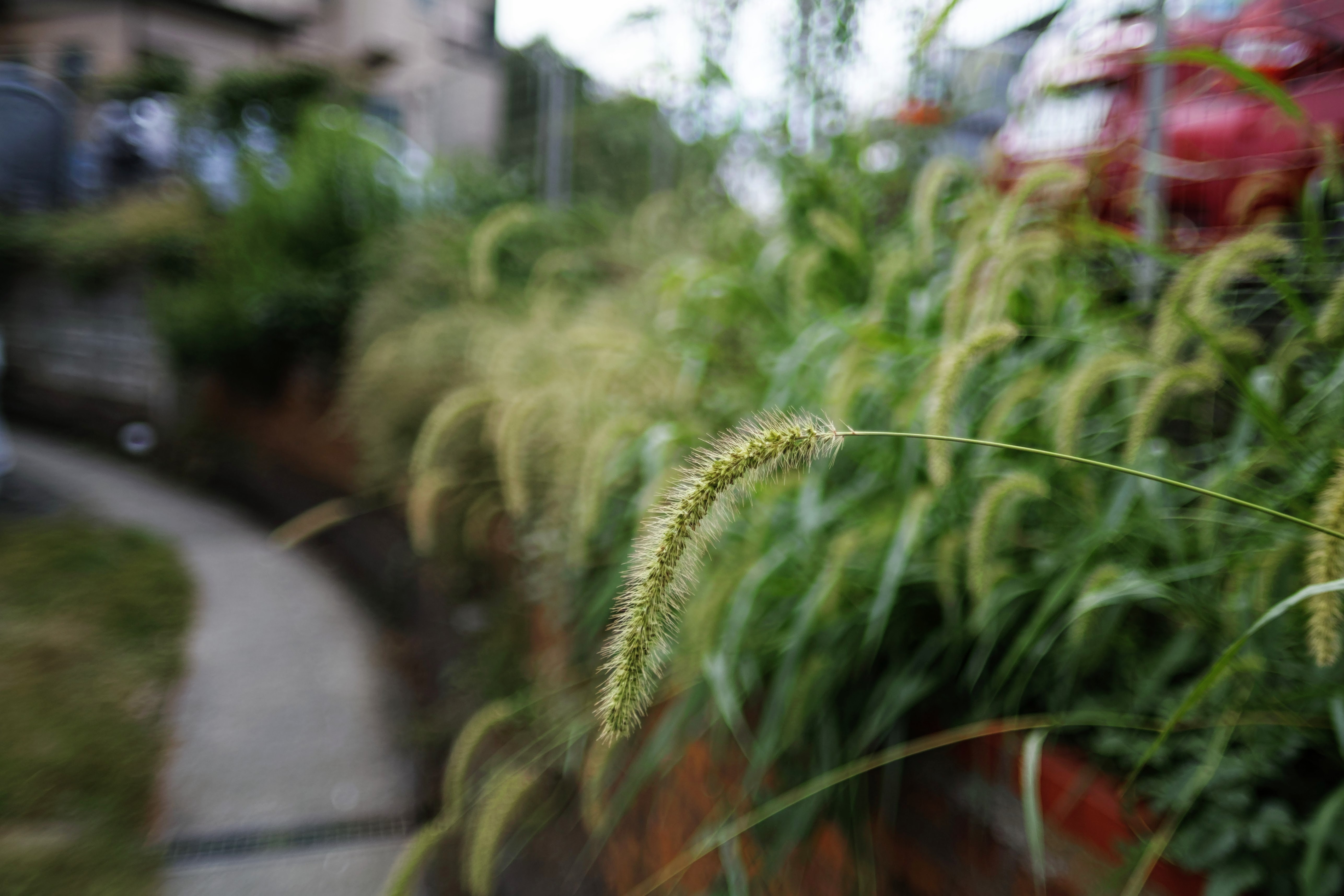
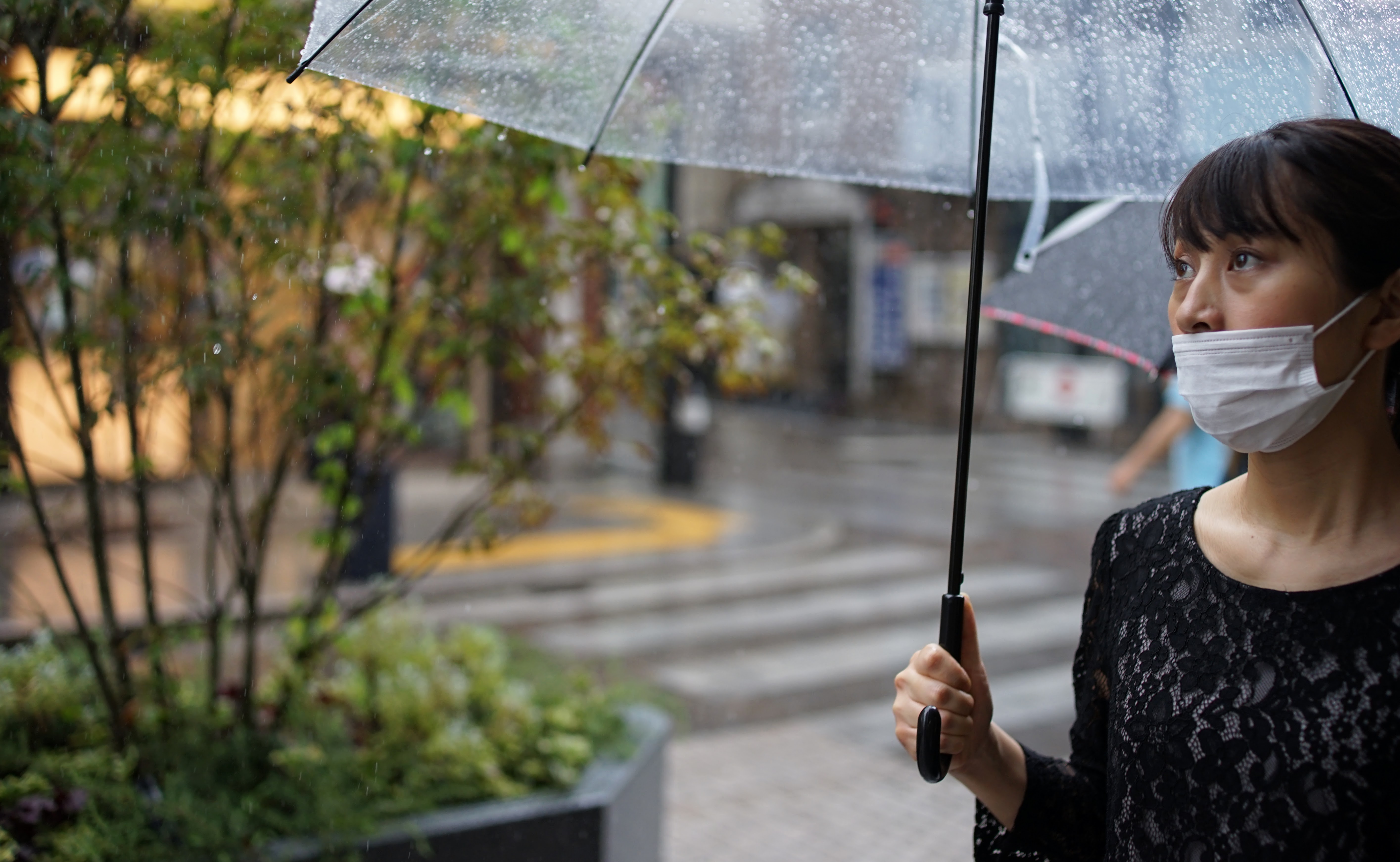
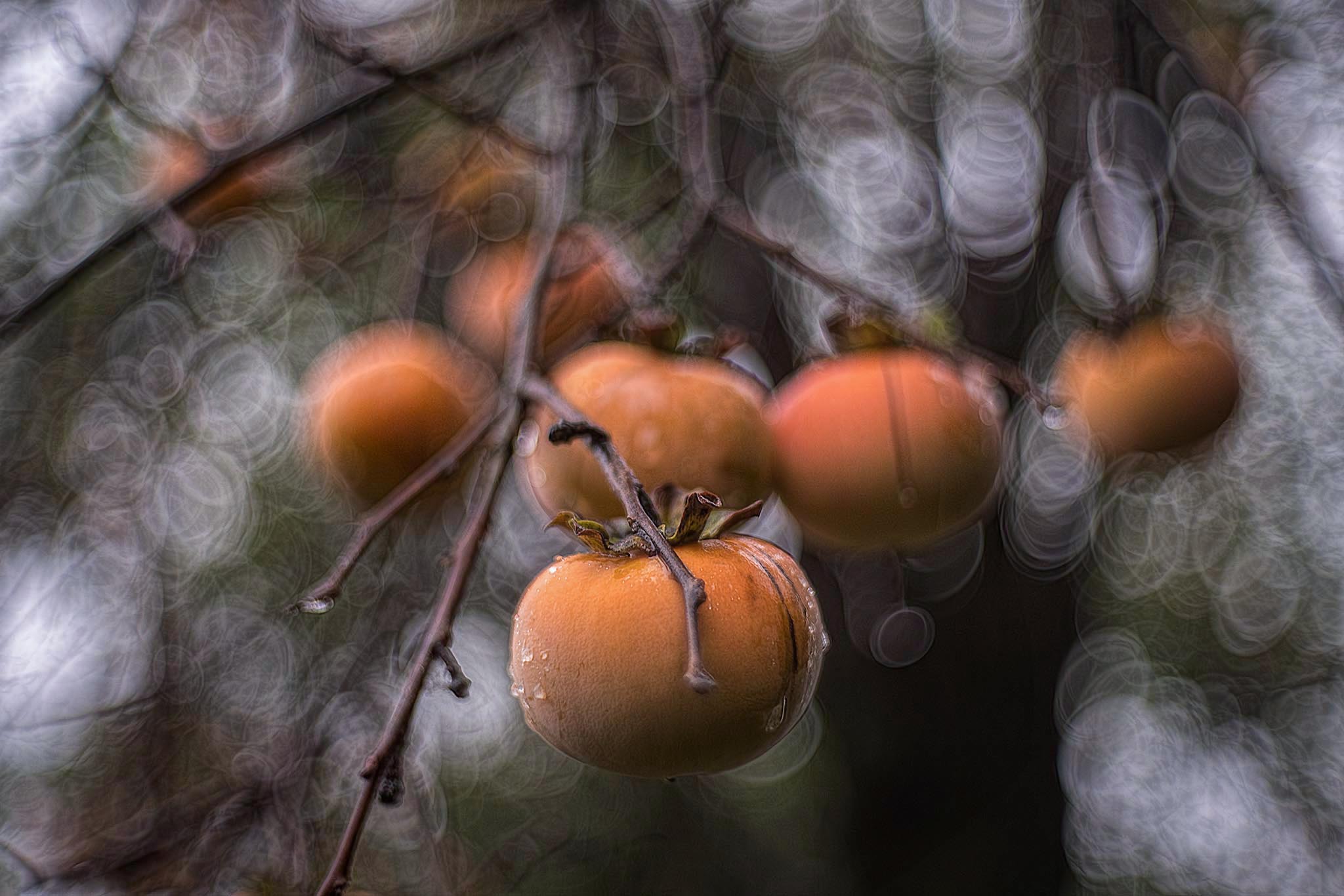
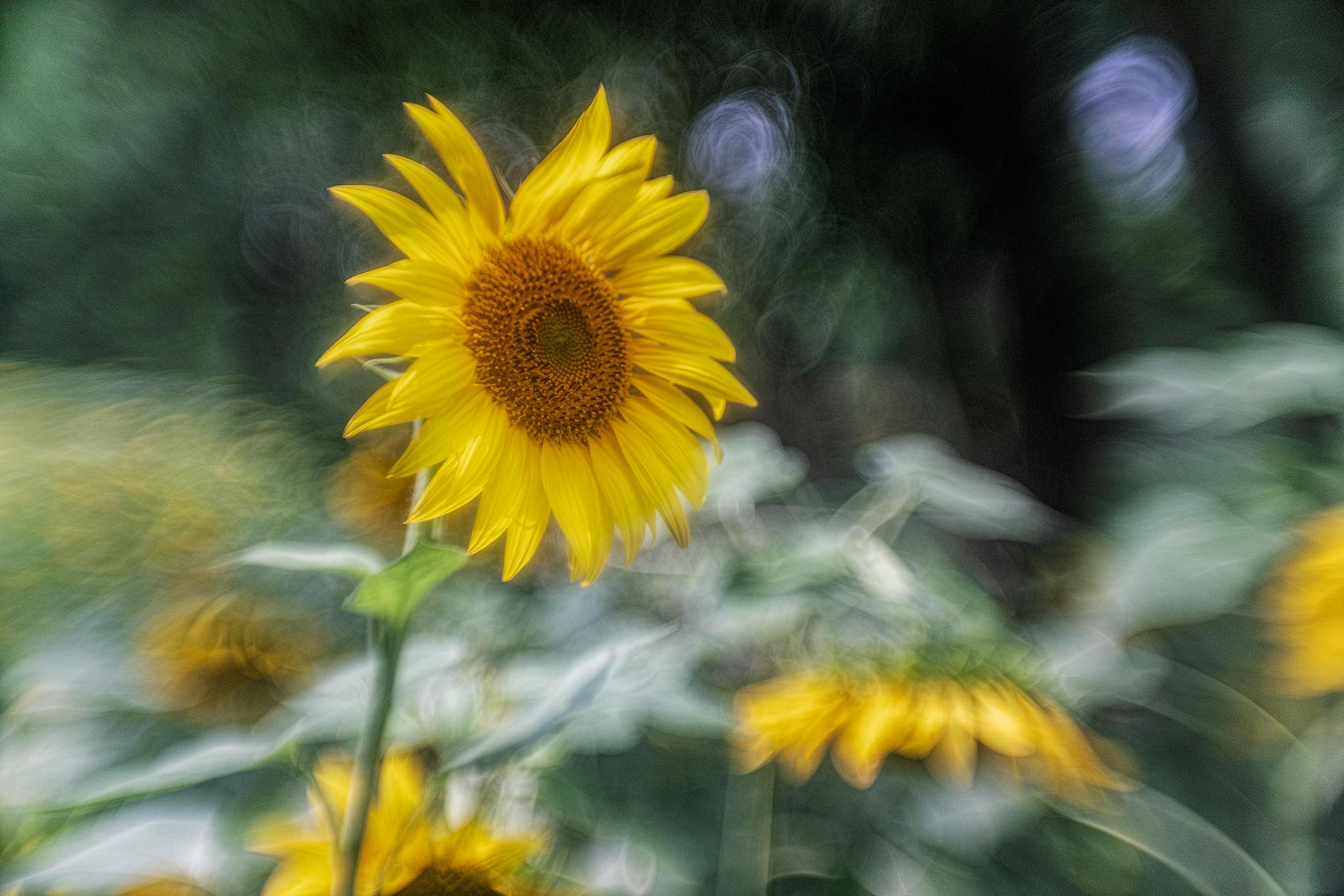
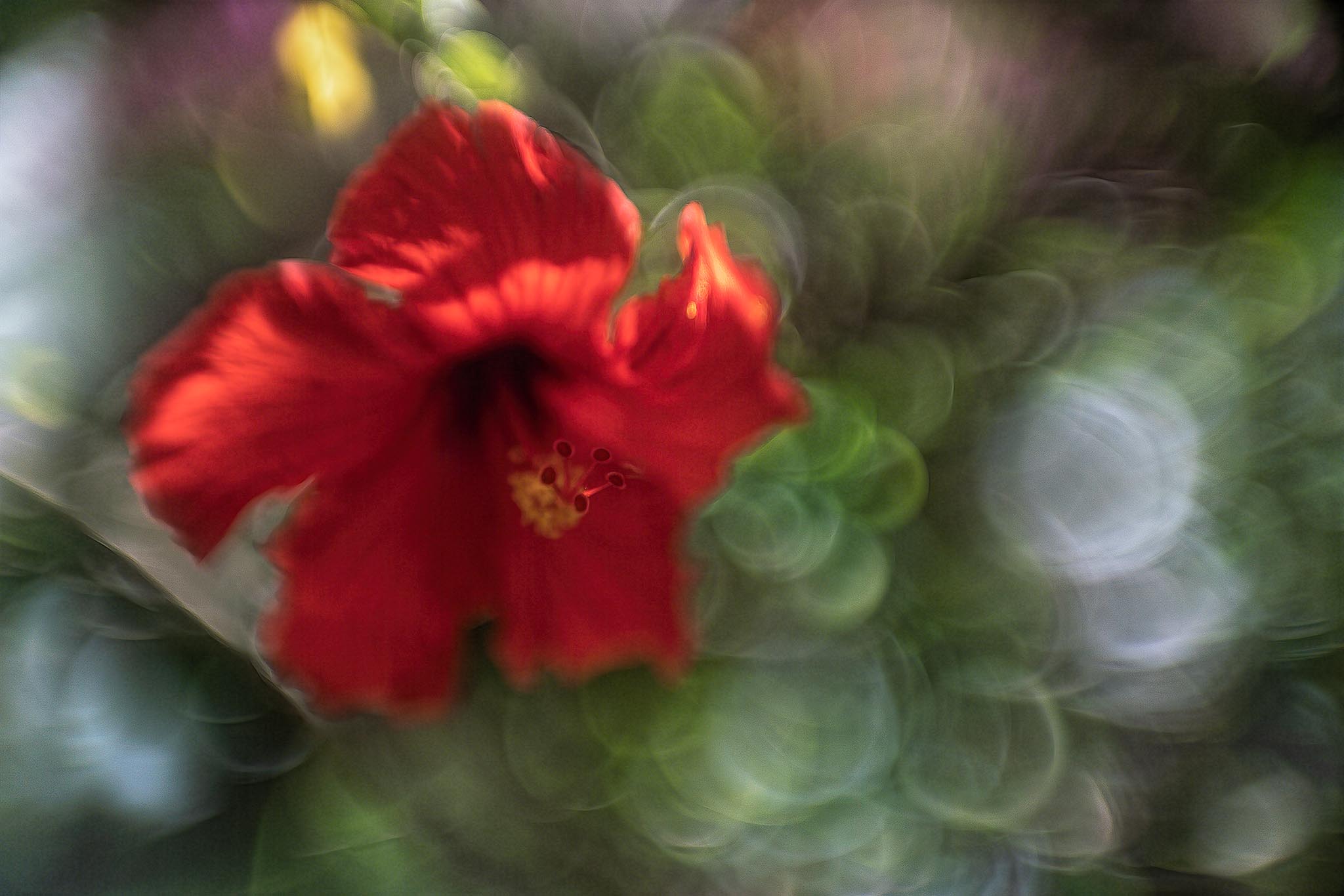
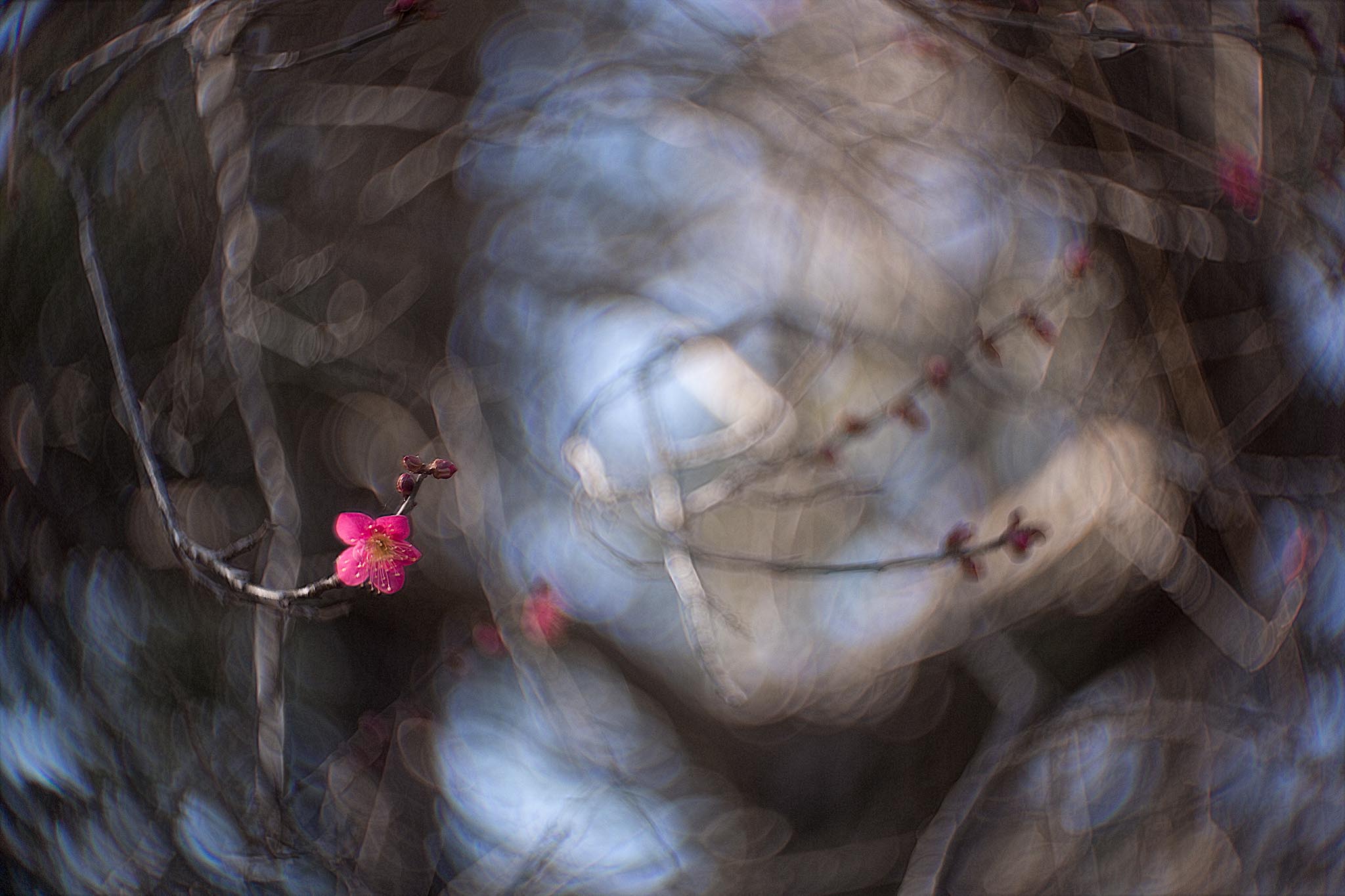
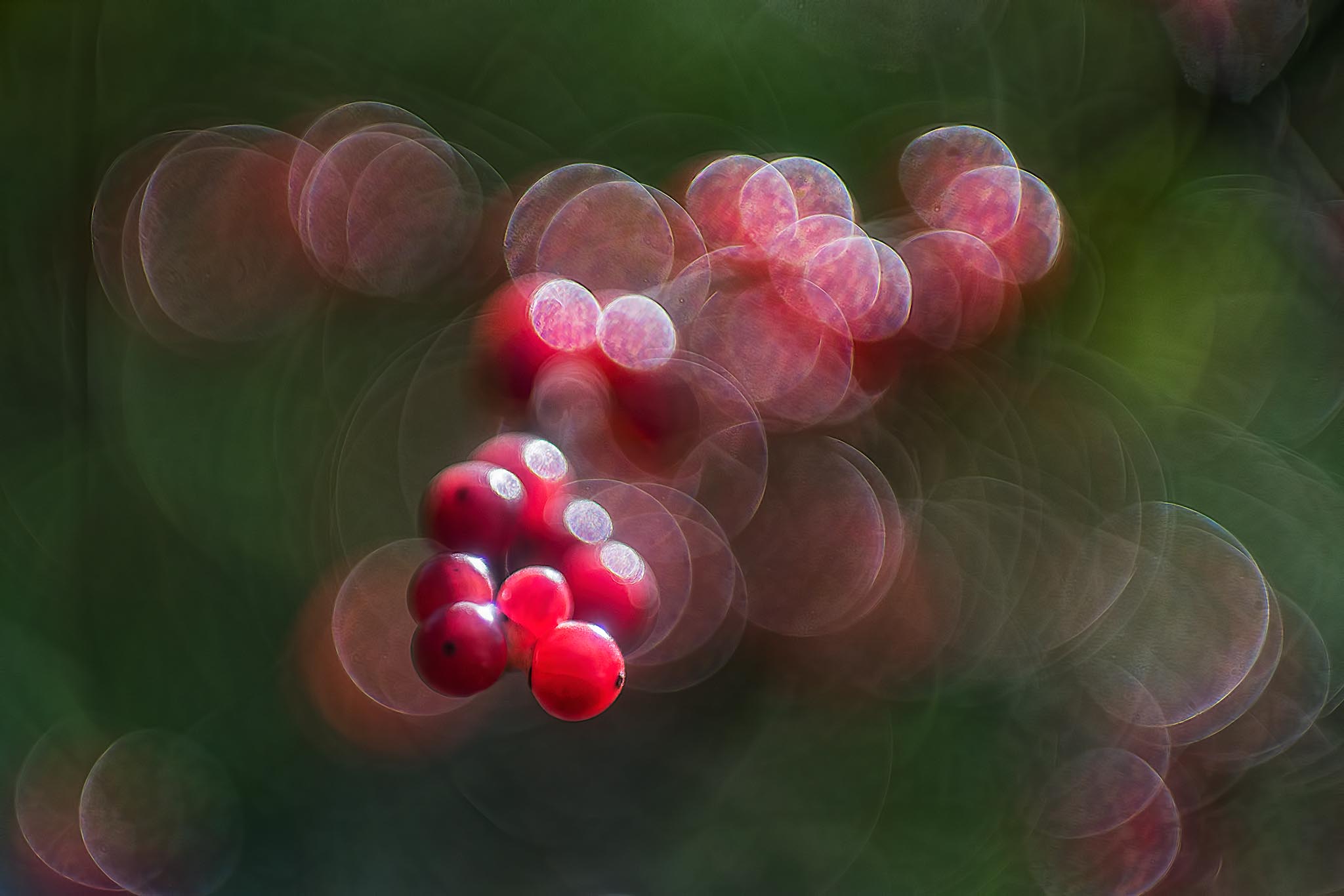
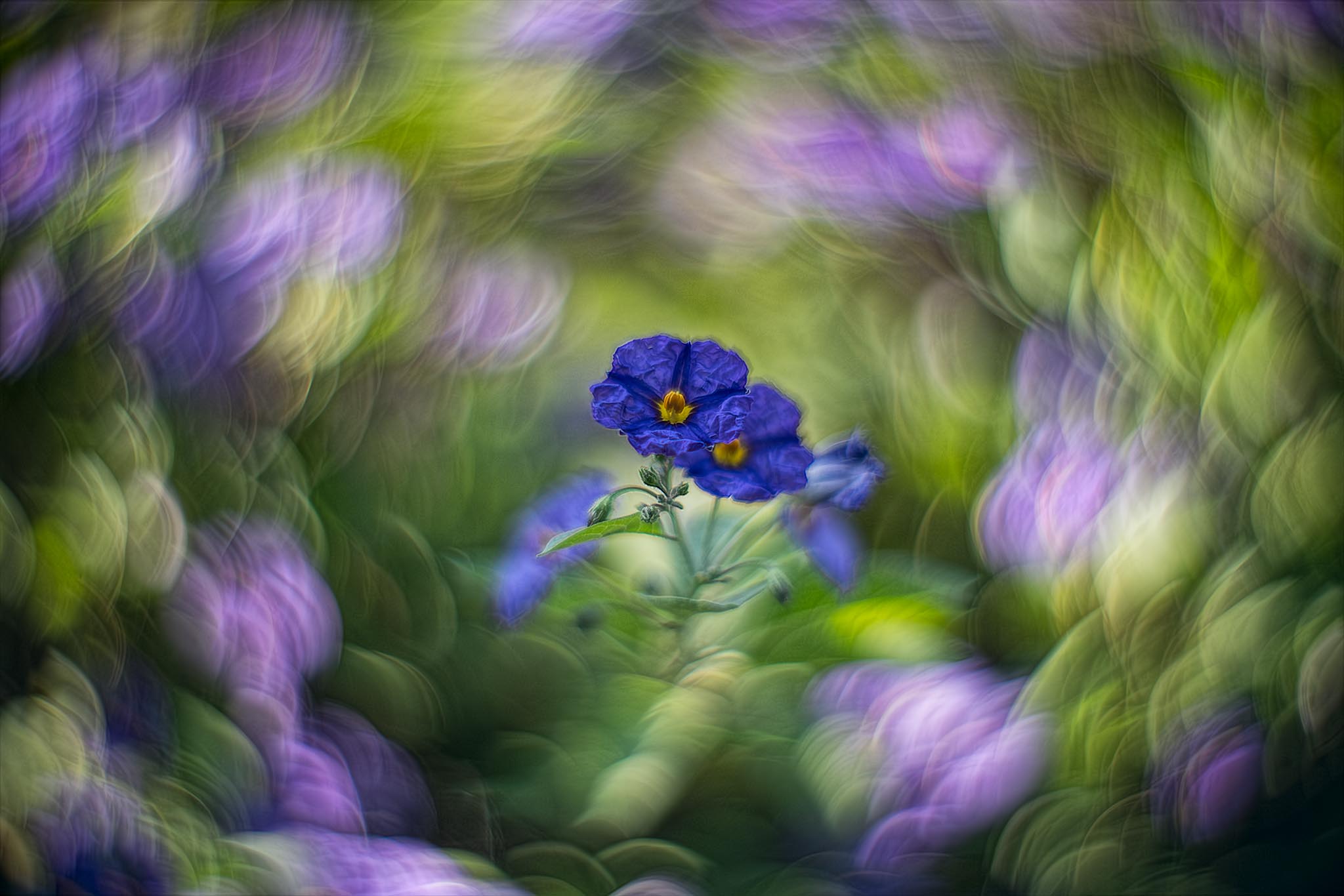
The term "wet on wet" bokeh seems to refer to the idea that some bokeh from certain lenses seem to have a very interesting characteristic - the background bokeh has something of the character of a watercolor paint technique where still damp watercolor paint is over-painted by paint, allowing them to flow together in a unique and interesting kind of way. This "look" is different to the completely smeared out look that other lenses have where nothing much at all is recognizable in the background. In the case of the wet on wet look the background content is recognizable but actually does look quite like a water color painting.
I had never heard of this previously until I listened to the Classic Lens Podcast in which one episode discussed the characteristic that some lenses have to produce this effect. The link to the podcast is here: https://www.classiclensespodcast.com/e/53-wet-on-wet-bokeh/
By the way the entire podcast series is kind of fun, the people involved often dissolve into floods of laughter and mirth and yet they frequently manage to impart some interesting ideas. Well worth listening to and often entertaining too boot.
Because the podcast is all verbal - no images, here is a link to an article on the same idea by a person who I gather, provided some information to them. You will find some pictorial examples in this link: https://tech.swiss-1.ch/wet-on-wet-bokeh/
The lens discussed above was a Raynox 135mm f2.8, one of those cheapish but apparently quite nice lenses dating to the 1970s or 1980s by some Japanese makers. I understand from the article that the discussion of the lens kicks in at around 20 minutes into the podcast.
I am sure there are other lenses with this character too. In fact I have an old auto-Promura which has much the same character. (And which may be the same lens rebadged - it certainly looks quite similar though there is little to be found on such lenses in the internet other than generalities which would allow me to confirm it.) I have a few photos from it which I will post here when I find them......it can be a chore trolling through thousands of images to find one or two specific ones but it will get done.
One thing I can say about such lenses is that in my limited experience while the wet on wet look can be very pleasant my feeling is that it has a kind of flaw - the tendency to introduce large blobs of blown highlights - do not ask me what the technical reasons are but I did notice it in the lens referred to above. (The same has been said of the Nikkor 180mm f2.8 ED).
I posted this because I like the look and thought others might find it interesting too. Also it reinforces an idea I have known of for some time - some of these older and cheap after market lenses from that era are very nice if you are not after technically perfect results and prefer a more artisitic rendering.
Of course I would be interested in your comments and more particularly, examples of other lenses with wet on wet bokeh.
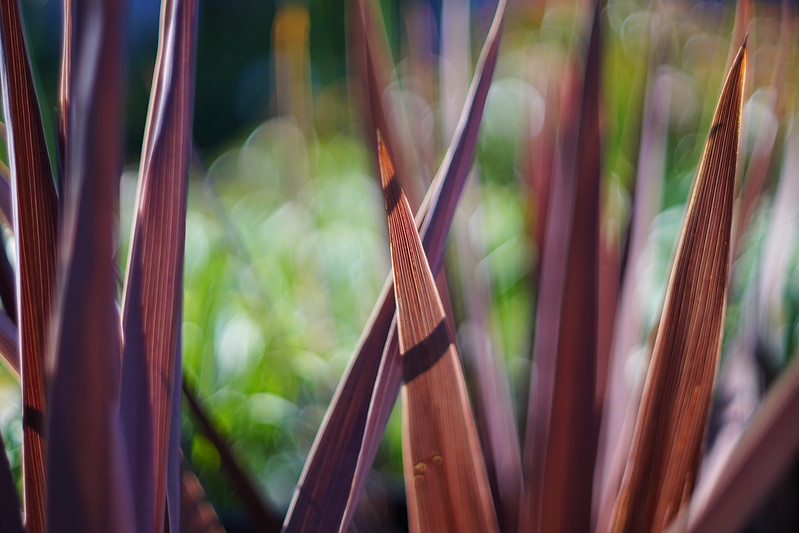
EDIT: I found one image which I think at least has some of the character described though not perhaps being an exemplar. I have never posted this image as I am not particularly happy with it - apart from anything else the dark conditions / shadow in which the subject sat made it very difficult to get a sharp image both due to my eyesight and the low shutter speeds needed. And I don't think I ever managed frame an interesting shot in this situation.

I had never heard of this previously until I listened to the Classic Lens Podcast in which one episode discussed the characteristic that some lenses have to produce this effect. The link to the podcast is here: https://www.classiclensespodcast.com/e/53-wet-on-wet-bokeh/
By the way the entire podcast series is kind of fun, the people involved often dissolve into floods of laughter and mirth and yet they frequently manage to impart some interesting ideas. Well worth listening to and often entertaining too boot.
Because the podcast is all verbal - no images, here is a link to an article on the same idea by a person who I gather, provided some information to them. You will find some pictorial examples in this link: https://tech.swiss-1.ch/wet-on-wet-bokeh/
The lens discussed above was a Raynox 135mm f2.8, one of those cheapish but apparently quite nice lenses dating to the 1970s or 1980s by some Japanese makers. I understand from the article that the discussion of the lens kicks in at around 20 minutes into the podcast.
I am sure there are other lenses with this character too. In fact I have an old auto-Promura which has much the same character. (And which may be the same lens rebadged - it certainly looks quite similar though there is little to be found on such lenses in the internet other than generalities which would allow me to confirm it.) I have a few photos from it which I will post here when I find them......it can be a chore trolling through thousands of images to find one or two specific ones but it will get done.
One thing I can say about such lenses is that in my limited experience while the wet on wet look can be very pleasant my feeling is that it has a kind of flaw - the tendency to introduce large blobs of blown highlights - do not ask me what the technical reasons are but I did notice it in the lens referred to above. (The same has been said of the Nikkor 180mm f2.8 ED).
I posted this because I like the look and thought others might find it interesting too. Also it reinforces an idea I have known of for some time - some of these older and cheap after market lenses from that era are very nice if you are not after technically perfect results and prefer a more artisitic rendering.
Of course I would be interested in your comments and more particularly, examples of other lenses with wet on wet bokeh.
EDIT: I found one image which I think at least has some of the character described though not perhaps being an exemplar. I have never posted this image as I am not particularly happy with it - apart from anything else the dark conditions / shadow in which the subject sat made it very difficult to get a sharp image both due to my eyesight and the low shutter speeds needed. And I don't think I ever managed frame an interesting shot in this situation.