Any suggestions?

Inphenity

Member
Local time
11:11 AM
Joined
Oct 1, 2008
Messages
49
Location
West Columbia, SC
Ok, here's the skinny. I have 5 rolls of film to soup this week. 3 of them are 35mm and 2 are 120. The 35mm rolls are 1 roll Tri-x, 1 roll Neopan ss 100, and one roll of Neopan 1600 exposed at 1000. The 2 rolls of 120 are Arista edu ultra 200 and Fuji Neopan acros 100. All of them were shot on the coast here in SC on a moderately cloudy day. I only have a bottle of Rodinal at the moment, and I plan on souping the 35mm normally. The 120 however I am debating trying stand development with. Basically I want to get the best tonal range possible out of these negs. Should I hold off untill i can get another developer? Stand development with Rodinal 1:100? What do the film guru's at RFF suggest?
 
Rodinal 1+100, I wouldn't do it if it is important. You should do a test roll first. There is some evidence that stand development with Rodinal is not affected by dilution but more affected by the very reduced agitation. E.I., you can use Rodinal 1+50 with approximately the same time and get the same result (if you greatly reduce the agitation) as stand development and not have to worry about 'drag' and uneven development. Here is a discussion, check #12:

http://www.apug.org/forums/forum37/55796-tmx-rodinal-examples-2.html

And I'm not a Guru, I've just tried these methods.
 
NO, I was speaking in general terms. I have never used the films you are talking about, but I use the 1+50 times for a film that is on the enclosed Rodinal sheet (Tmax400 is 12 minutes). I then do 15 seconds initial agitation and then 3 inversions every 4 minutes, 68 degrees. On Tmax400 I like the negatives I get with 13 minutes, but that is just me. So for my Tmax400 (I shoot it at 250) I start the clock counting down from 13, and initially agitate for 15 seconds. Then I do the 3 inversions at 12 minutes, 8, 4. I know it isn't very macho, but I've tested it and there is no difference.
 
NO, I was speaking in general terms. I have never used the films you are talking about, but I use the 1+50 times for a film that is on the enclosed Rodinal sheet (Tmax400 is 12 minutes). I then do 15 seconds initial agitation and then 3 inversions every 4 minutes, 68 degrees. On Tmax400 I like the negatives I get with 13 minutes, but that is just me. So for my Tmax400 (I shoot it at 250) I start the clock counting down from 13, and initially agitate for 15 seconds. Then I do the 3 inversions at 12 minutes, 8, 4. I know it isn't very macho, but I've tested it and there is no difference.

That is very close to the method I use. Tri-x or Neopan 400 @ Ei200. Developed in Rodinal 1:50 for 12 mins with 15 seconds agitation to start, then 2 inversions at 4 mins and 2 at 8 mins and empty the tank at 12 mins.
 
Last edited:
John Bragg, we seem to do the same development (on many fronts). If I every get to Newquay, I will bring some prints to compare (which I may soon). John, check up on the Rodinal 1+50 no need for stand development just reduced agitation.

http://www.apug.org/forums/forum37/55796-tmx-rodinal-examples-2.html

Check #12 and click on the graph.

I look foreward to meeting one day John. Interesting link to the APUG forum. Don Cardwell is very knowledegable on matters Rodinal and he is equally willing to share his expertise. I basically adapted his method to my own needs and workflow.

Regards, John.
 
No kidding John, by workflow I assume you mean easier, less chance of uneven development, shorter development time, and an equally high quality product, when compared to stand or semi stand results and workflow.
 
Exactly so. I use minimal agitation and not stand or semi-stand. Just enough to do the job and no more. Preserve those delicate highlights. The longest dev time I have ever used is 15 mins with Perceptol 1:1.
 
I just would try an new method or developer with unimportant material instead.

I know Liam (Roguedesigner) does HC-110 for hours... Sounds tempting... I should try one day. Good luck! 🙂
 
I just would try an new method or developer with unimportant material instead.

I know Liam (Roguedesigner) does HC-110 for hours... Sounds tempting... I should try one day. Good luck! 🙂
Ahhh, HC-110, one of my favorites; Ansel Adams devised a development technique using HC-110, what I would call semi- stand development. But all I can find on it is: his or anyones use with TriX. You can read about it in his book and it does work. I still have no evidence that just developing as normal and reducing agitation wouldn't work just as well. I have done Ansel's method with TriX many times and it is what, at least, I like. I have a roll of 35mm TmaX100 in now and will try normal development BUT reduced (greatly) agitation on it.
 
All this talk of different developers is exciting me! I have developed literally thousands of rolls, and 90% of the time I do normal development for HC110 that results in a 1/3 to 1/2 stop speed and contrast increase. I like this process and the tonal style it results in.

But I have 4 rolls of trix, ready to soup. These are all random grab shots over the past few months, from the camera that I keep in my car. Since it's been winter, I'm not worried about the film being heat damaged. I would like to play around with these rolls. As I develop 2 at a time, I can try 2 variations on a theme - and have that theme as far from what I would get by my regular, aggressive, hc110 development as possible.

What would be best for that?
 
Test rolls until you figure what you are doing.

All this mix and match is doing your photography little good. Spend your time on being creative rather than mechanics. That means one or two films at most.
 
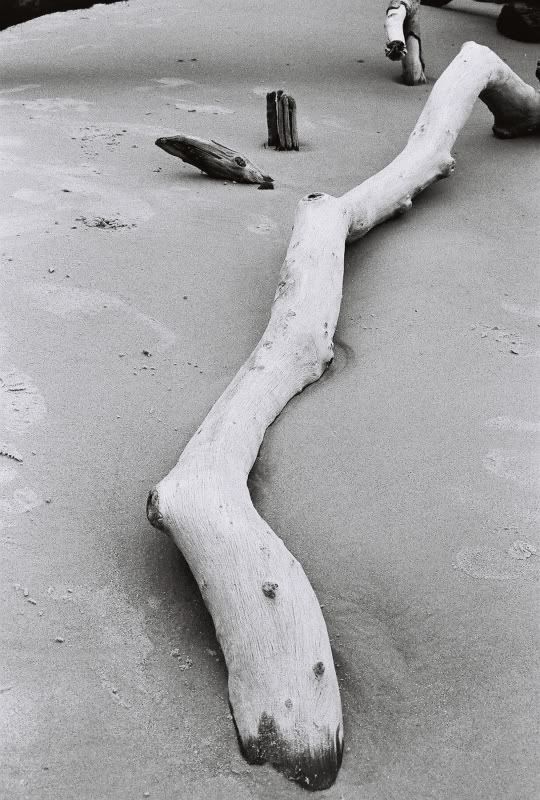
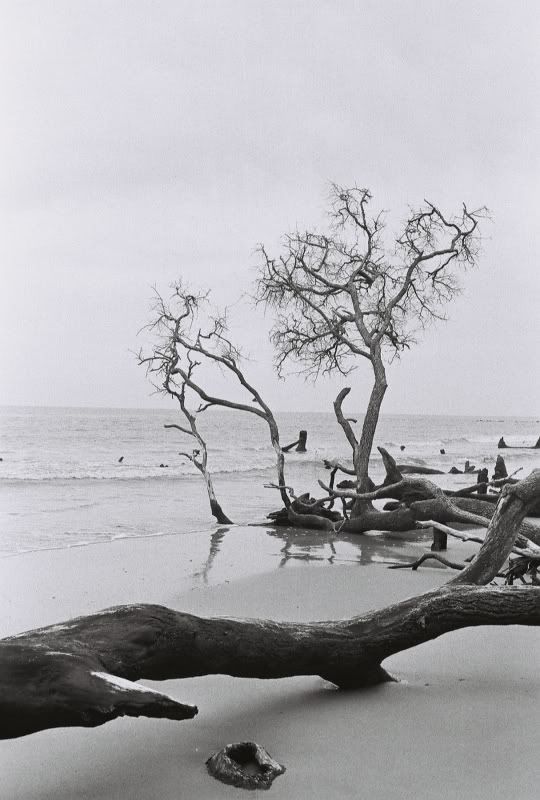
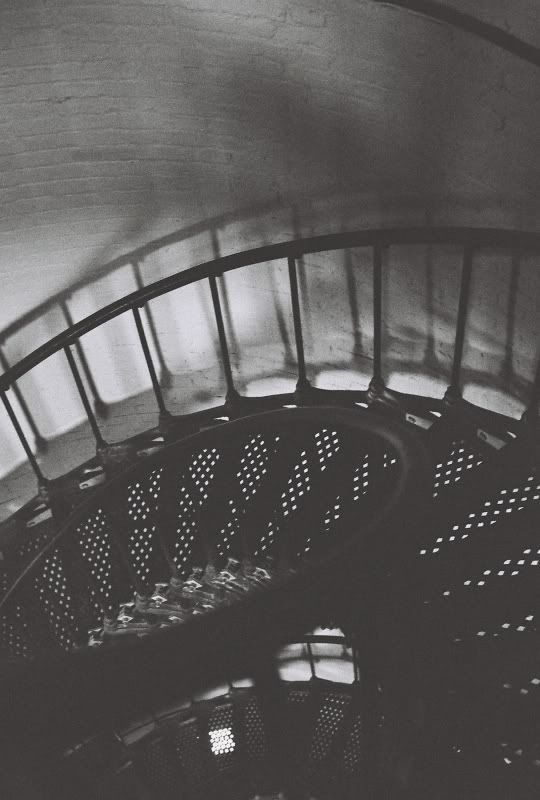
I like trying new and oddball films. Here are a few from my yashica electro 35gs.
Fuji Neopan 1600 rated at 1000 souped in rodinal 1:50 for 9 min 30 seconds with 30 seconds agitation every 3 minutes.

389556-R1-E008_008.jpg


389556-R1-E011_011.jpg


389556-R1-E019_019.jpg
 
Back
Top Bottom