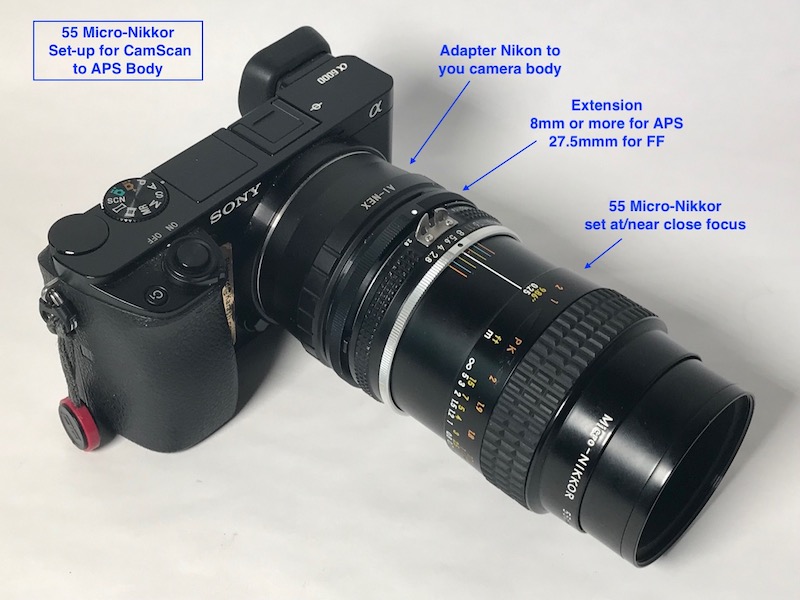
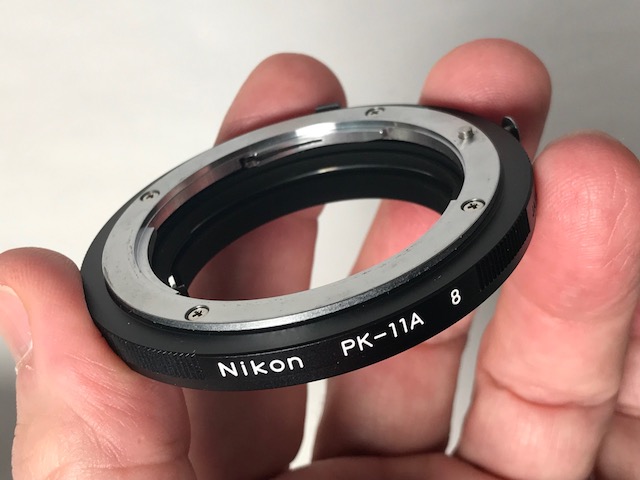
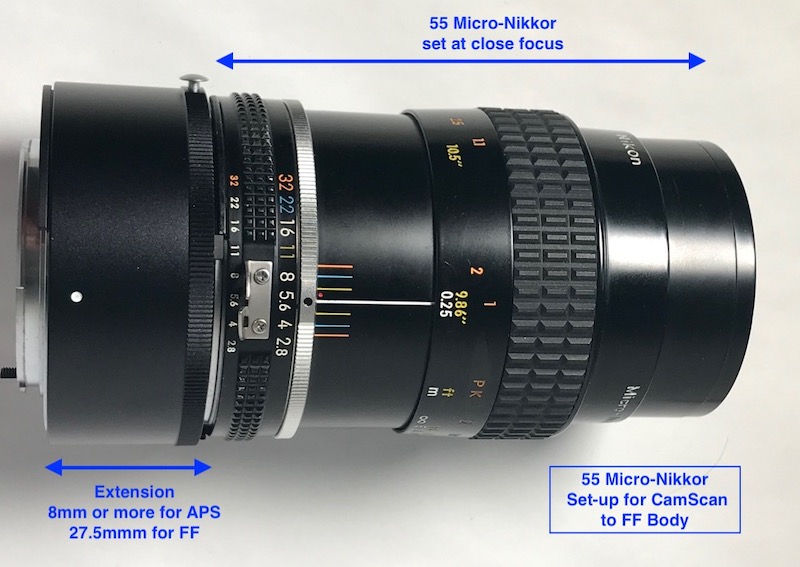
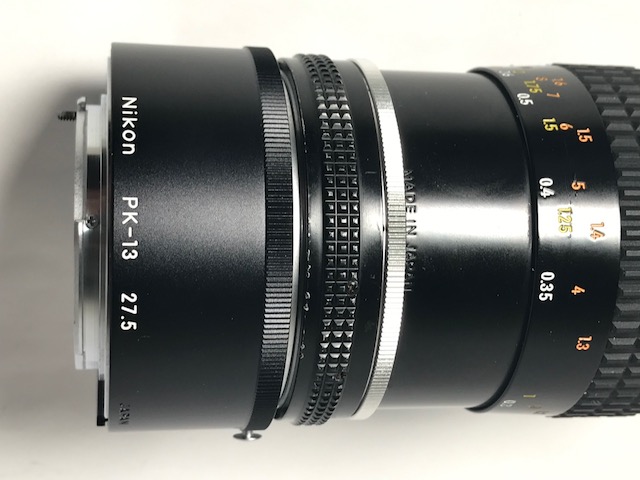
Hi froyd, I'm not an expert, but I have a few years camera and scanner scanning of negatives and transparencies. So I'm gonna give a shot at answering your questions.
Very interested in this topic but I can see the thread is already more advanced than what I can handle!
Here are my question --don't shoot I'm a complete ignoramus when it comes to digital cameras.
- What's the minimum sensor spec required in the digitizing camera? My only digital is a Sony RX100, 1" 20mp, is it too small for a quality capture? micro 4/3? DX? FF?
I have read that a fine, tabular grain film, such as Ilford Delta 100, has an acuity that is about the same as a 20-25 megapixel digital image. So resolution-wise, your camera should be able to resolve the detail in the image. The small sensor however limits the 'dynamic range' of the digitized negative. The dynamic range of film is large on the order of 13 to 15 stops. DxO tested the RX100, and concluded it could capture 10 stops of dynamic range.
So scanning an ideal negative with your RX100 will be at the limit of resolution, but miss significant tonal separation. A scan may look flat as a result. However in practice, my developing is often far from ideal. I've been able to get an acceptable scan of many of my negatives with far less 10 stops of dynamic range, and as few as 12 megapixels (using a Nikon D2x or D700.)
- How important is the quality of the sensor, i.e. is high DR a factor when selecting a body to use for scanning or there's no big difference in scans from a Nikon D3 and a D5?
If the dynamic range of the negative exceeds the ability of the digital capture, then the inherent contrast, and thus tonal detail of the negative will be lost. This results in a flat scan, which must have it's contrast boosted to look correct. However doing this with Lightroon, etc. results is a loss of resolution.
This is why I choose a Nikon D850 to scan with. It has a tested dynamic range of about 15 stops. This is equal or more than most film. The resolution is about double the acuity of film, so there is additional resolution of grain clumps. This seems to reduce the effect of so called "grain aliasing", where a mottled pattern is overlaid on a scanned image. The grain of a higher resolution, higher dynamic range digital image looks more like a darkroom print's grain than I have seen in lower megapixel and DR images.
- Is a copy stand required?
You need to keep the optical path from the original negative, and the imaging camera completely steady. Any vibration, even at the micron level, will obscure the 'grain clumps', and make the image look blurred.
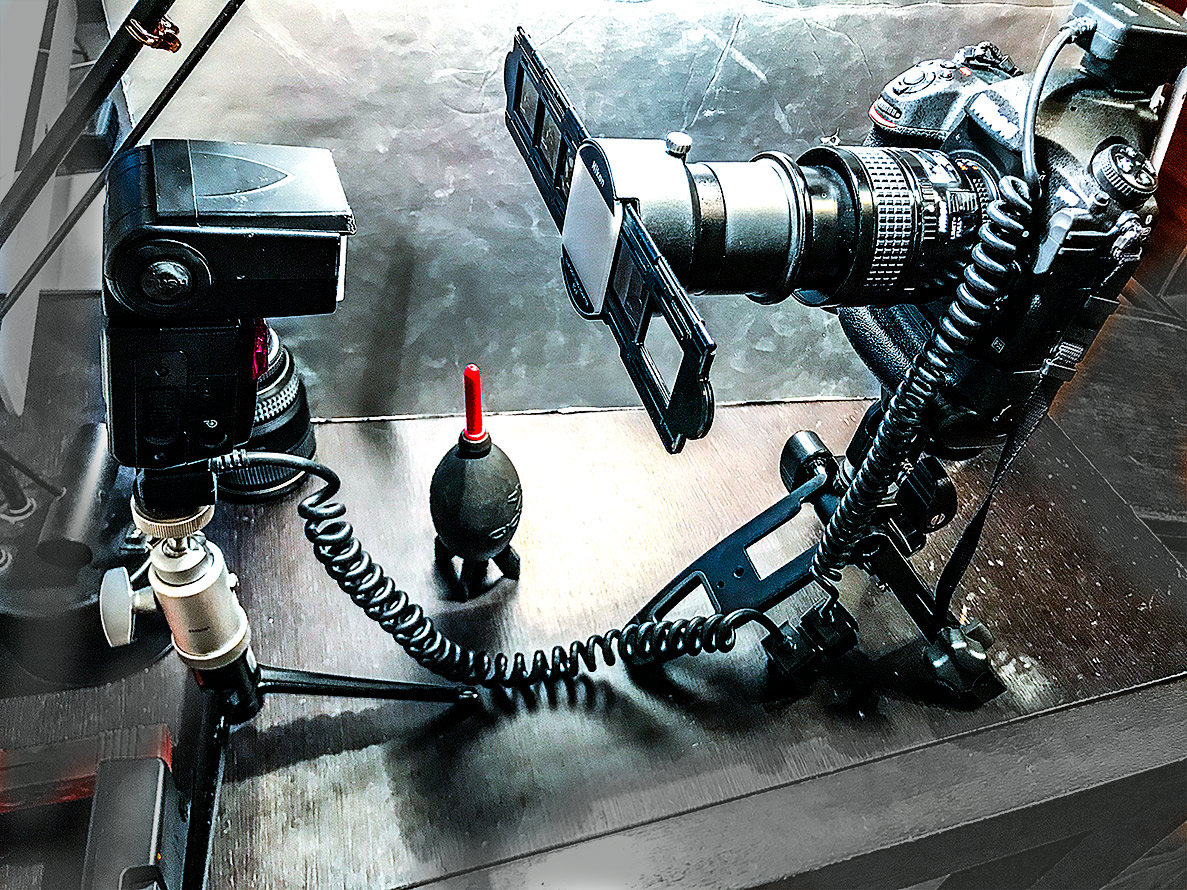
I use a Nikon ES-2. I sorta agree with frank-grumman, it's all plastic, the springs and closures leave a lot to be desired. But the Negative Supply hardware seems to be very sturdy, it's also super expensive. Since I bought the ES-2, I made it work with my D850 and 60mm f/2.8 AF-D lens. It takes a bit of
kludging but I've got it damn steady now.
- I like the idea of using one of my flash guns (SB-28) instead of a light table. Is that not recommended?
That's exactly what I do. I use a Nikon SB600, on a small tripod inches away from the negative holder of the ES-2. I point a light at the diffuser of the flash to provide modeling light to align and (optionally) crop the negative for the scan. I use live view (mirrorless mode) for most of the negatives, but if I really need to dig in a low contrast negative, then I'll switch to the eyepiece.
The advantages of flash are consistent color temperature, and a very short exposure time (~40 microseconds) through a compact optical path, both of which increase the stability of the system. The downsides are 1) that you need to have a high-end flash that can fire as a small fraction of its normal power, and 2) light from a flash is more columnated than light from a light table, so dust is more obvious.
Here is a picture of my camera scanning setup: