S
StuartR
Guest
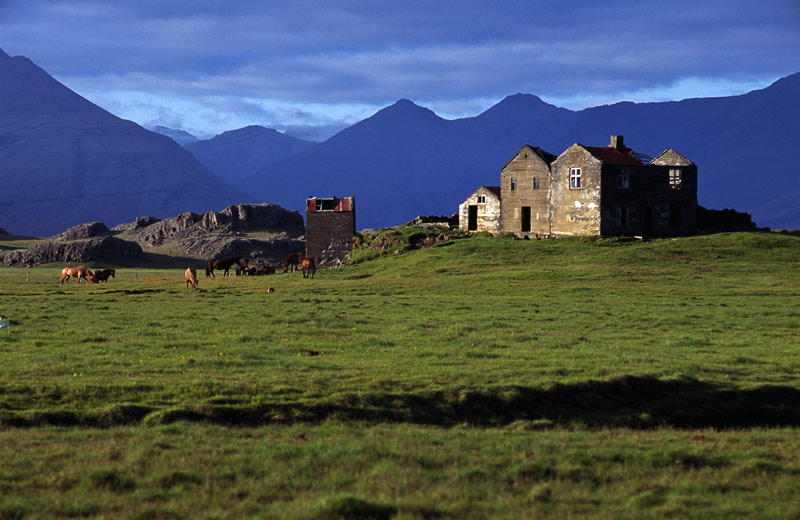
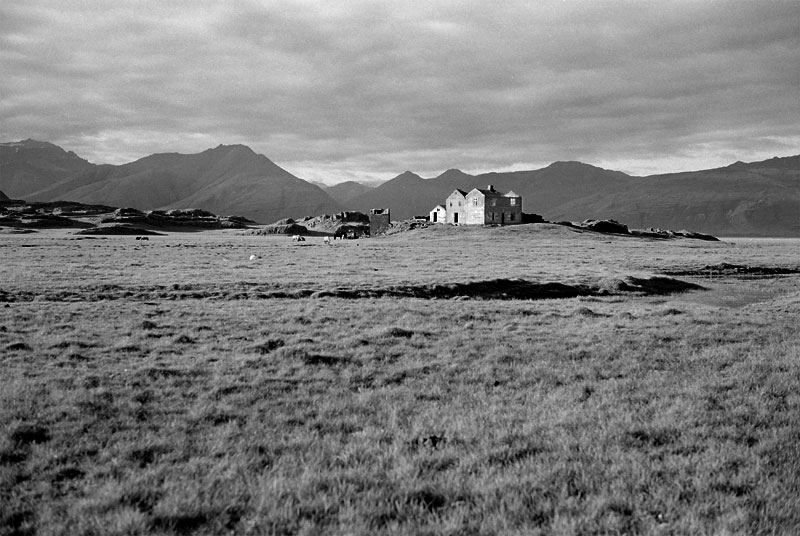
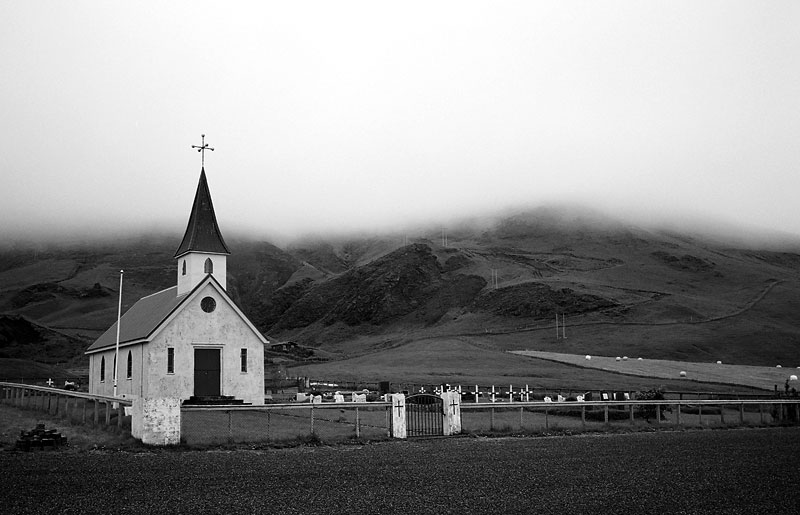
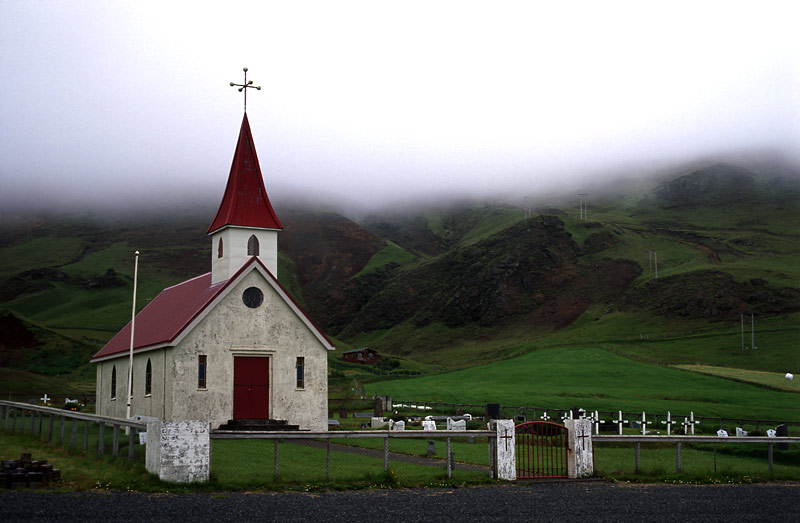
I am with grant here -- color and black and white are both equally suited to photographing "content" as you put it. I think many people like black and white better because it is automatically removed from the way we see the world on a daily basis. By that I mean that the lack of color serves as an automatic cue that tells the viewer they are looking at "art" and not reality. Since color is how we (those of us who are not color blind) see the world, the photograph has to be striking in its content for the viewer to make the leap from viewing everyday reality to viewing "art". Highly graphic compositions, unique content or striking colors are usually necessary to coax the viewer into appreciating the photo. In this sense, I think it is often more difficult to work in color because there are more obstacles to overcome. Not only do you have to cue the viewer to look at the scene artistically, but you have another variable to deal with in the content of the image. In the right hands it can be wonderful, but if you are using it haphazardly, black and white is a better medium, as it will do part of the job for you.
For what it's worth, I think the extreme low saturation or extreme high saturation techniques function similarly to black and white. The most difficult color films to use are probably the most natural ones, like Astia, EPN and so on.
For what it's worth, I think the extreme low saturation or extreme high saturation techniques function similarly to black and white. The most difficult color films to use are probably the most natural ones, like Astia, EPN and so on.