lynnb
Veteran
With the iPhone 7 it looks like computational photography is emerging as the future of image-making for the majority of people (i.e. cell phone users), and will accelerate the demise of most low- and intermediate-level cameras, leaving traditional camera makers only the high end of the market to compete in.
The Light L16 points to the future. See this PetaPixel article.
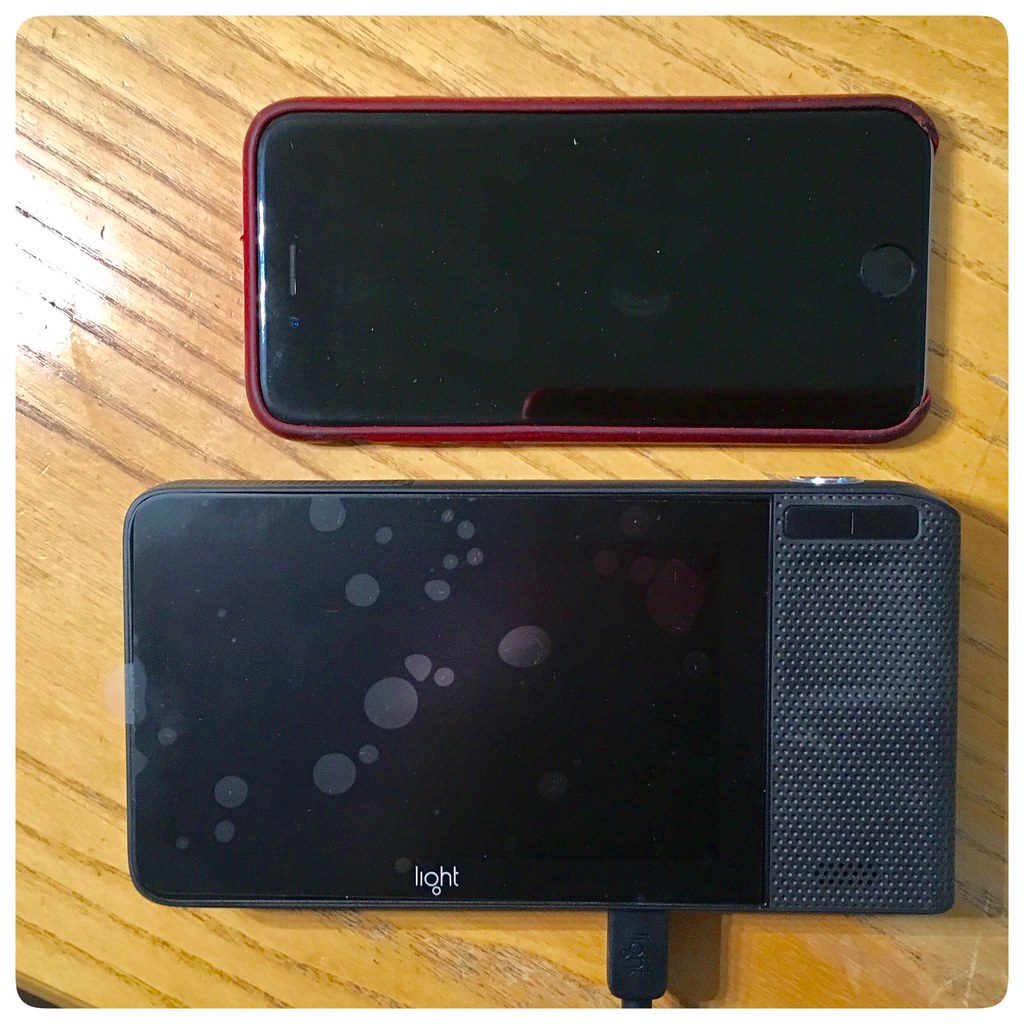
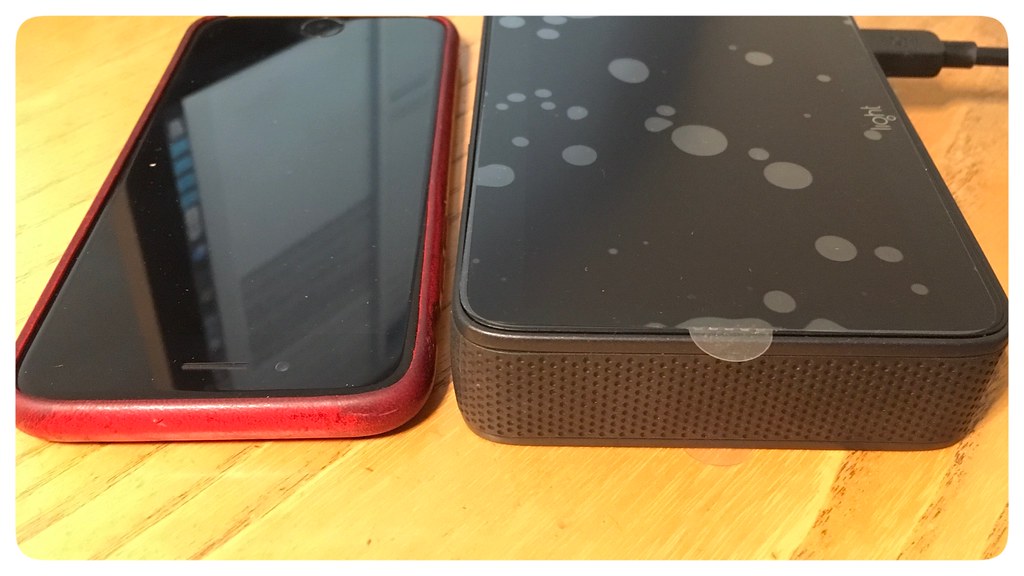
Like the name implies the L16 has 16 camera modules of varying focal lengths creating one composite image in a package about the size of a cell phone, but thicker. The IQ isn't there yet (see the detail smearing) but these are early days for the technology. From the samples it looks like they've got the dynamic range problem sorted, at least. They also claim good low light performance.
Personally I like traditional optics and fixed focal lengths. But the generation who grew up with these are on the decline and the cell phone generation will probably embrace computational photography - and why not? I'd buy one as a carry-everywhere digital, to complement my XA or Rollei 35S film cameras.
As long as it also makes phone calls 😀
The Light L16 points to the future. See this PetaPixel article.
Like the name implies the L16 has 16 camera modules of varying focal lengths creating one composite image in a package about the size of a cell phone, but thicker. The IQ isn't there yet (see the detail smearing) but these are early days for the technology. From the samples it looks like they've got the dynamic range problem sorted, at least. They also claim good low light performance.
Personally I like traditional optics and fixed focal lengths. But the generation who grew up with these are on the decline and the cell phone generation will probably embrace computational photography - and why not? I'd buy one as a carry-everywhere digital, to complement my XA or Rollei 35S film cameras.
As long as it also makes phone calls 😀