dejavu
Member
Hi Rangefinder forum folks,
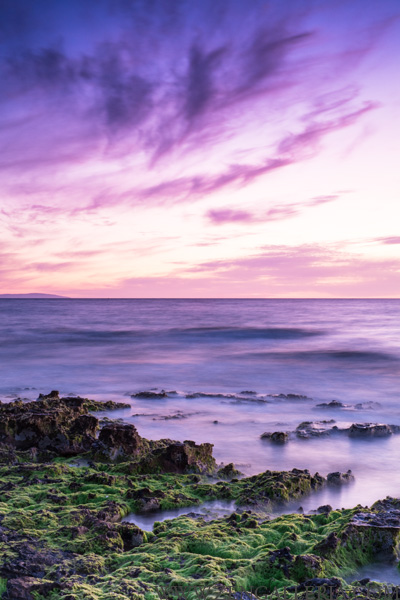
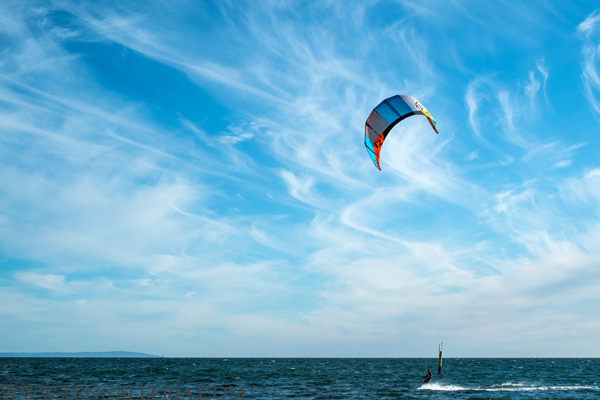
First time posting photos here and first time out on a proper photo shoot with my new X-Pro1.
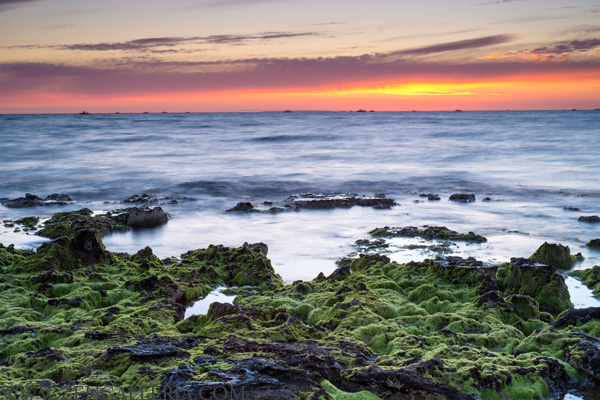
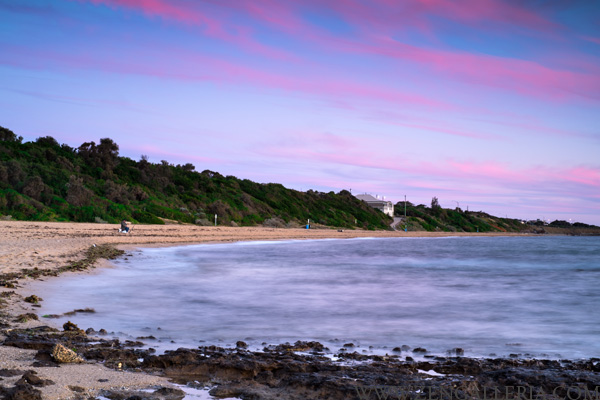
These were shot at Half Moon Bay near Melbourne, Australia.
Fuji X-Pro1 with 35 f/1.4 XF on tripod + HiTech 1.2 ND Grad.
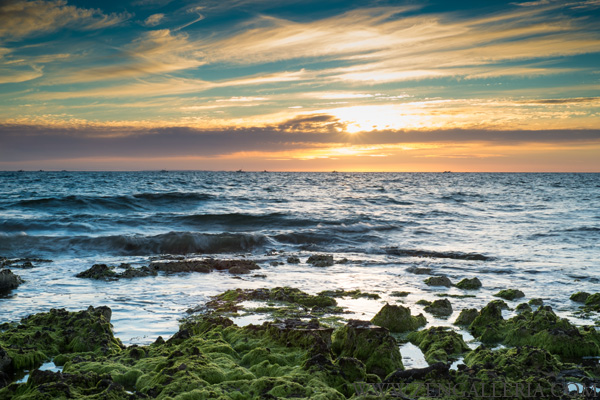
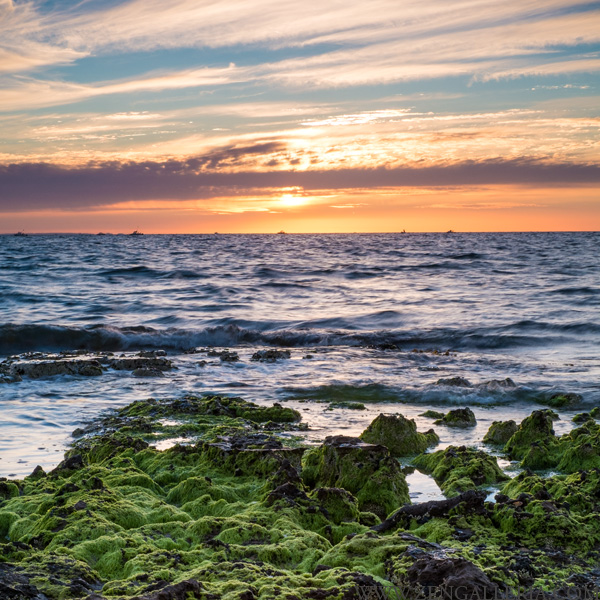
Impressions: The EVF was a mixed blessing for sunset shoots when there is a mix of super bright sun and dark foreground. The EVF really helped to brighten up the foreground to allow accurate focusing but it dimmed the view when the sun is in the frame. When this happens, you can't see anything at all. I guess there is not good work around to this (from their point of view). In a DSLR's viewfinder, human eyes' dynamic range is far greater, and thus much easier to work with. Using ND grad with the XPro1 is surprising easy. You half press the shutter, then move the grad to adjust the "zone". When the shutter is half pressed, you can easily see the transition. If the shutter is not pressed, the EVF keep compensating for changes in exposure, and thus, it's exceedingly difficult to see any changes.
Lastly, I love the optical quality of the 35 f/1.4. However, it flares quite badly when you shoot directly into the sun. It flares far more than my Canon 24-70 f/2.8 L. Conventional wisdom dictates that an optically complex zoom lens will have more flare, but this is not the case. The flare situation is worsened by the ND Grad filter.
First time posting photos here and first time out on a proper photo shoot with my new X-Pro1.
These were shot at Half Moon Bay near Melbourne, Australia.
Fuji X-Pro1 with 35 f/1.4 XF on tripod + HiTech 1.2 ND Grad.
Impressions: The EVF was a mixed blessing for sunset shoots when there is a mix of super bright sun and dark foreground. The EVF really helped to brighten up the foreground to allow accurate focusing but it dimmed the view when the sun is in the frame. When this happens, you can't see anything at all. I guess there is not good work around to this (from their point of view). In a DSLR's viewfinder, human eyes' dynamic range is far greater, and thus much easier to work with. Using ND grad with the XPro1 is surprising easy. You half press the shutter, then move the grad to adjust the "zone". When the shutter is half pressed, you can easily see the transition. If the shutter is not pressed, the EVF keep compensating for changes in exposure, and thus, it's exceedingly difficult to see any changes.
Lastly, I love the optical quality of the 35 f/1.4. However, it flares quite badly when you shoot directly into the sun. It flares far more than my Canon 24-70 f/2.8 L. Conventional wisdom dictates that an optically complex zoom lens will have more flare, but this is not the case. The flare situation is worsened by the ND Grad filter.
#1:
#2:
#3:
#4:
#5:
#6: