


haffy
Member
Hi,
I am trying to learn my basic darkroom setup (Leitz Focomat 1c color), and have now printed larger than I usually do to se a bigger picture/more details with my bare eyes. To se how the grain looks and how the dynamic range is.
I have here two different films developed and printed with the same cemicalls and the same way.
* Film developed with Rodinal, ilford stop, ilford rapidfixer.
* Paper (ilford multigrade M44 24x30,5cm) developed with ilford multigrade, ilford stop, ilford rapidfixer.
This first one is a Tri-X @ 400.
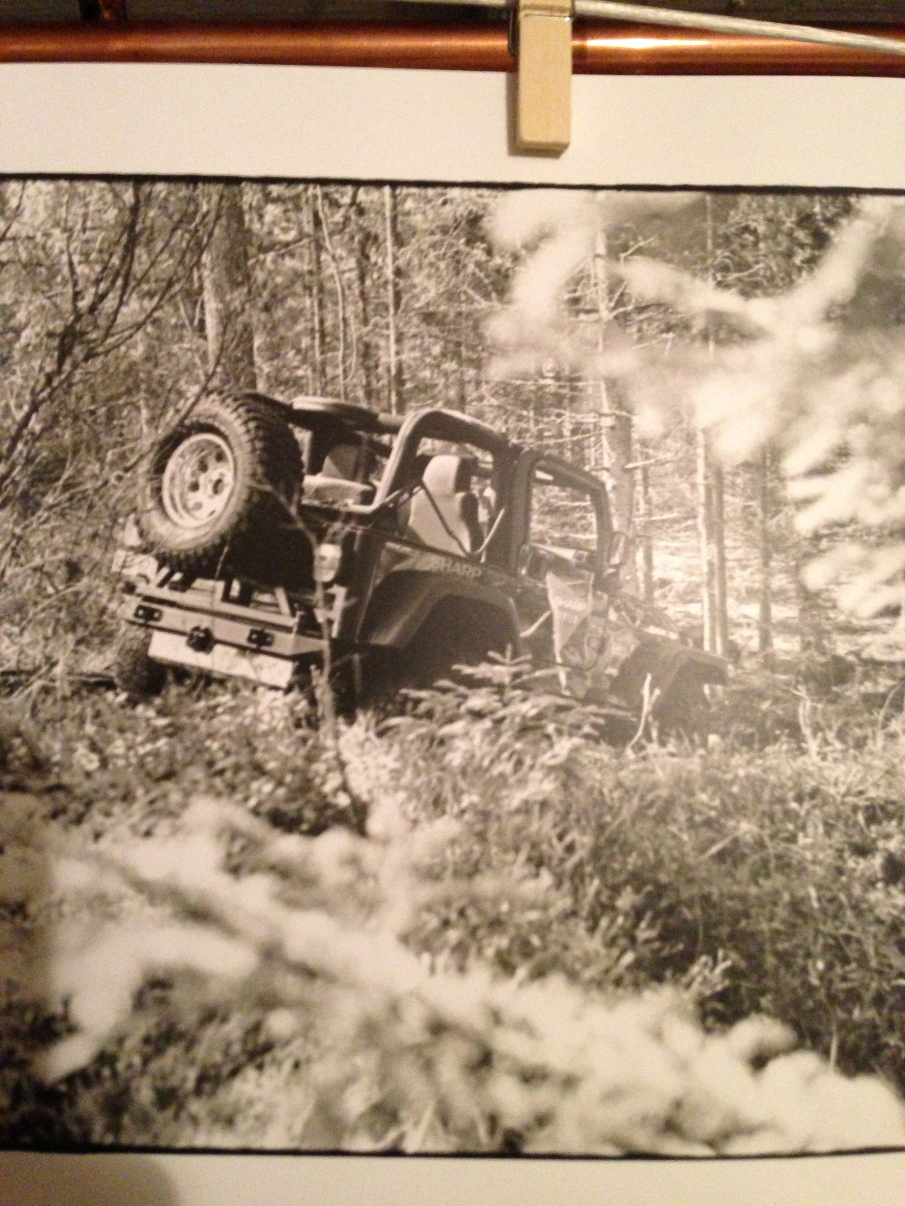
This secound one is Rollei Retro 400S @ 400.

Picture of the both to see the difference.

I like how the Tri-X handles the light areas and how the Rollei handles the dark areas, or is this just beacuse the Rollei is a darker negative?
But I do not like how the Tri-X feels flat, no real darkness to it. Can I use ilford multigrade filters to make it pop more, or is these just to handle the "to bright" or "to dark" of the entire image, should I instead crank up the time instead?
I am trying to learn my basic darkroom setup (Leitz Focomat 1c color), and have now printed larger than I usually do to se a bigger picture/more details with my bare eyes. To se how the grain looks and how the dynamic range is.
I have here two different films developed and printed with the same cemicalls and the same way.
* Film developed with Rodinal, ilford stop, ilford rapidfixer.
* Paper (ilford multigrade M44 24x30,5cm) developed with ilford multigrade, ilford stop, ilford rapidfixer.
This first one is a Tri-X @ 400.
This secound one is Rollei Retro 400S @ 400.
Picture of the both to see the difference.
I like how the Tri-X handles the light areas and how the Rollei handles the dark areas, or is this just beacuse the Rollei is a darker negative?
But I do not like how the Tri-X feels flat, no real darkness to it. Can I use ilford multigrade filters to make it pop more, or is these just to handle the "to bright" or "to dark" of the entire image, should I instead crank up the time instead?


