tho60
Well-known
Hello!
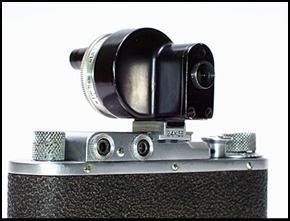
Some buddies make complaints about using the Soviet auxiliary viewfinder (SAV). When I started shooting with it, the results were disastrous. But since then I developed a method for the correct use. I don’t know whether somebody had explored it prior to me, I haven’t found any description on the Internet.🙂
You will be able to adjudge, whether this method is useable, or not.🙄
This method can be described difficultly, but it can be easy to apply. Well, firstly compose the frame using the SAV. Determine the centre of the frame employing the crosshairs. This will be a reference point. Note that the field image of 85mm lens isn’t correct; the real image is taller than you see. You can count up about two reticles (lines). That’s why the centre will be found higher. 😡
Then align the centre of the frame (as determined above) with a certain point of the rangefinder spot, which will also show you the centre of the frame. This point varies according to the type of the camera and the distance, but it is easy to find. This alignment will secure that this two points coincide with the real centre of the frame, shown at the picture.
To find the alignment point on the rangefinder spot place the camera with removed back on stable ground (tripod, table, chair etc.). Put a cross-haired screenglass or transparent paper on the film rails. Mount an 85 mm or 135mm lens on the camera. Focussing and looking through the screenglass you can easily find the real centre of the frame. Then determine where this centre-point according to the rangefinder spot is. This will depend on distance, but at infinity the parallax error isn’t too significant. So you suffice to find this point at close distances.
Using a bottom loaded camera you can locate the alignment point of the rangefinder spot by test shots only.🙁
This method is like a gunsight.
Please feel free to write your opinions, comments etc.
Some buddies make complaints about using the Soviet auxiliary viewfinder (SAV). When I started shooting with it, the results were disastrous. But since then I developed a method for the correct use. I don’t know whether somebody had explored it prior to me, I haven’t found any description on the Internet.🙂
You will be able to adjudge, whether this method is useable, or not.🙄
This method can be described difficultly, but it can be easy to apply. Well, firstly compose the frame using the SAV. Determine the centre of the frame employing the crosshairs. This will be a reference point. Note that the field image of 85mm lens isn’t correct; the real image is taller than you see. You can count up about two reticles (lines). That’s why the centre will be found higher. 😡
Then align the centre of the frame (as determined above) with a certain point of the rangefinder spot, which will also show you the centre of the frame. This point varies according to the type of the camera and the distance, but it is easy to find. This alignment will secure that this two points coincide with the real centre of the frame, shown at the picture.
To find the alignment point on the rangefinder spot place the camera with removed back on stable ground (tripod, table, chair etc.). Put a cross-haired screenglass or transparent paper on the film rails. Mount an 85 mm or 135mm lens on the camera. Focussing and looking through the screenglass you can easily find the real centre of the frame. Then determine where this centre-point according to the rangefinder spot is. This will depend on distance, but at infinity the parallax error isn’t too significant. So you suffice to find this point at close distances.
Using a bottom loaded camera you can locate the alignment point of the rangefinder spot by test shots only.🙁
This method is like a gunsight.
Please feel free to write your opinions, comments etc.