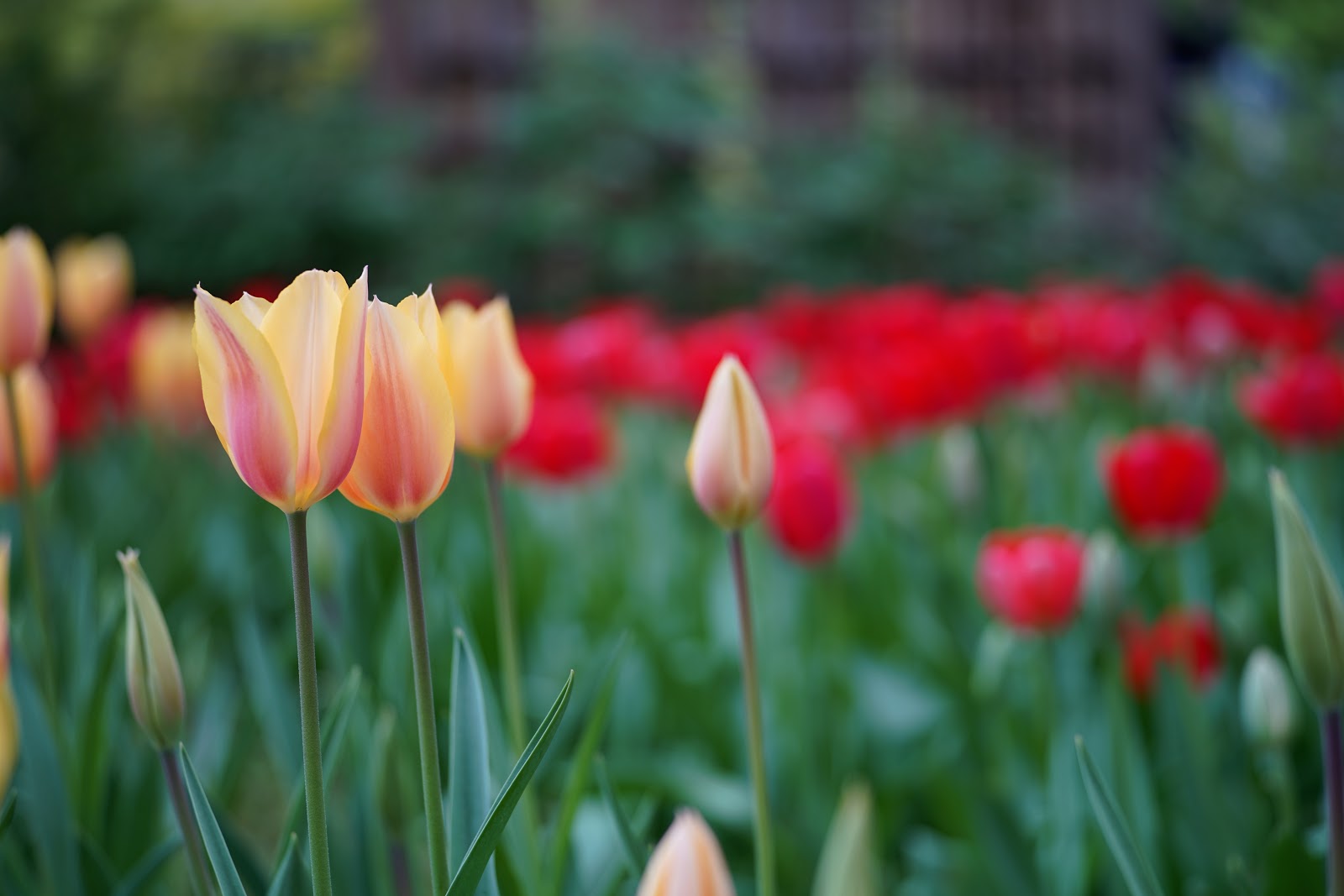
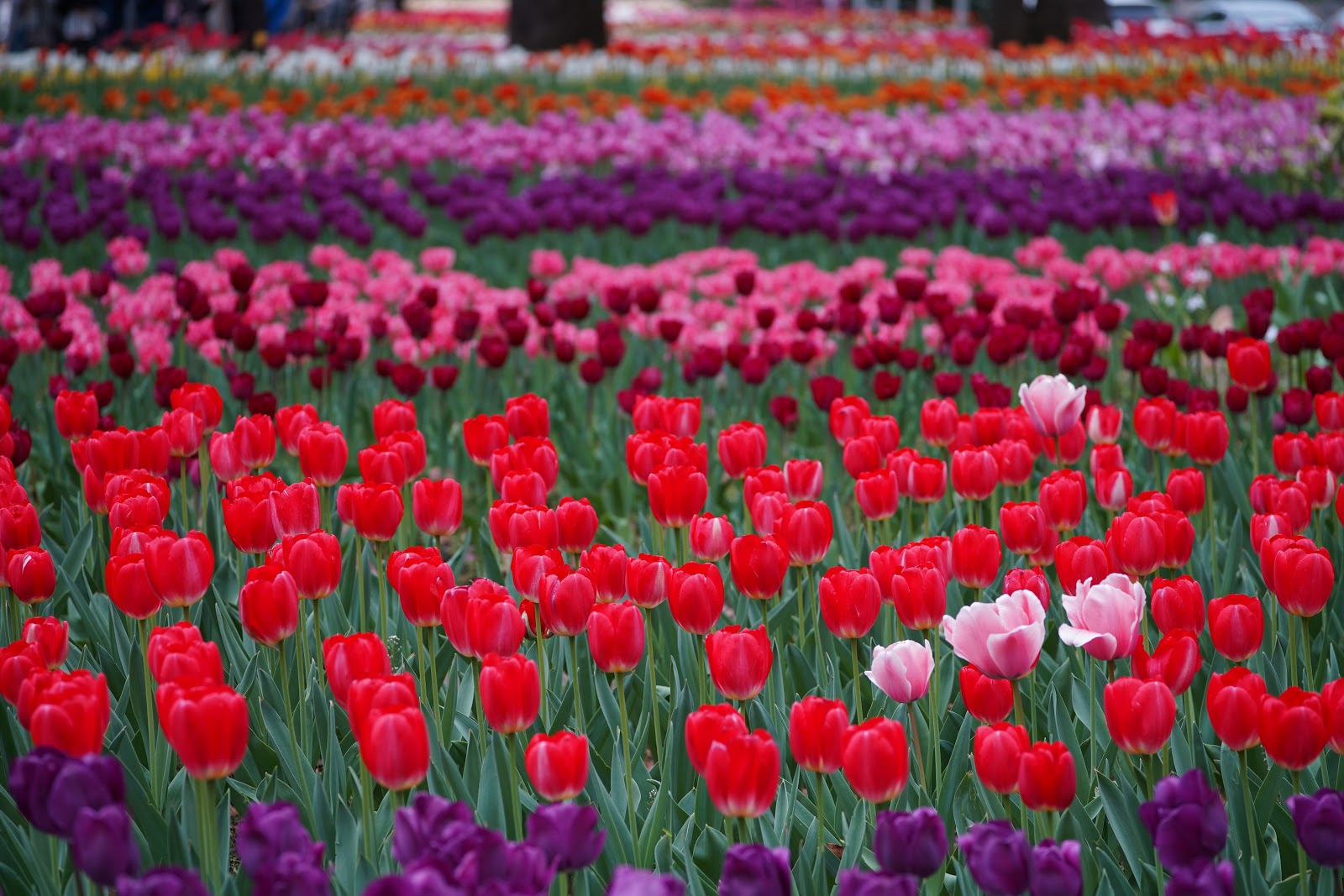
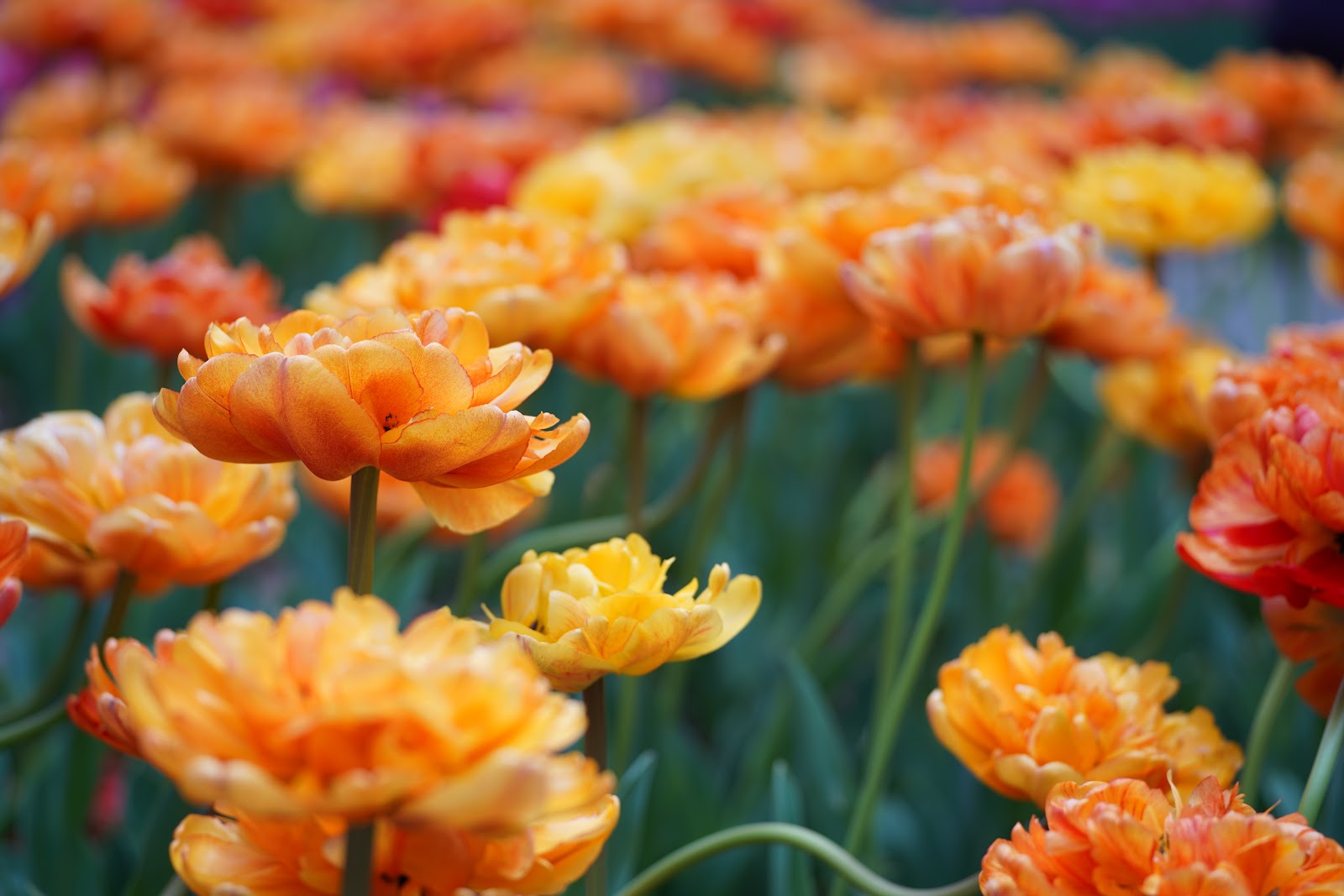
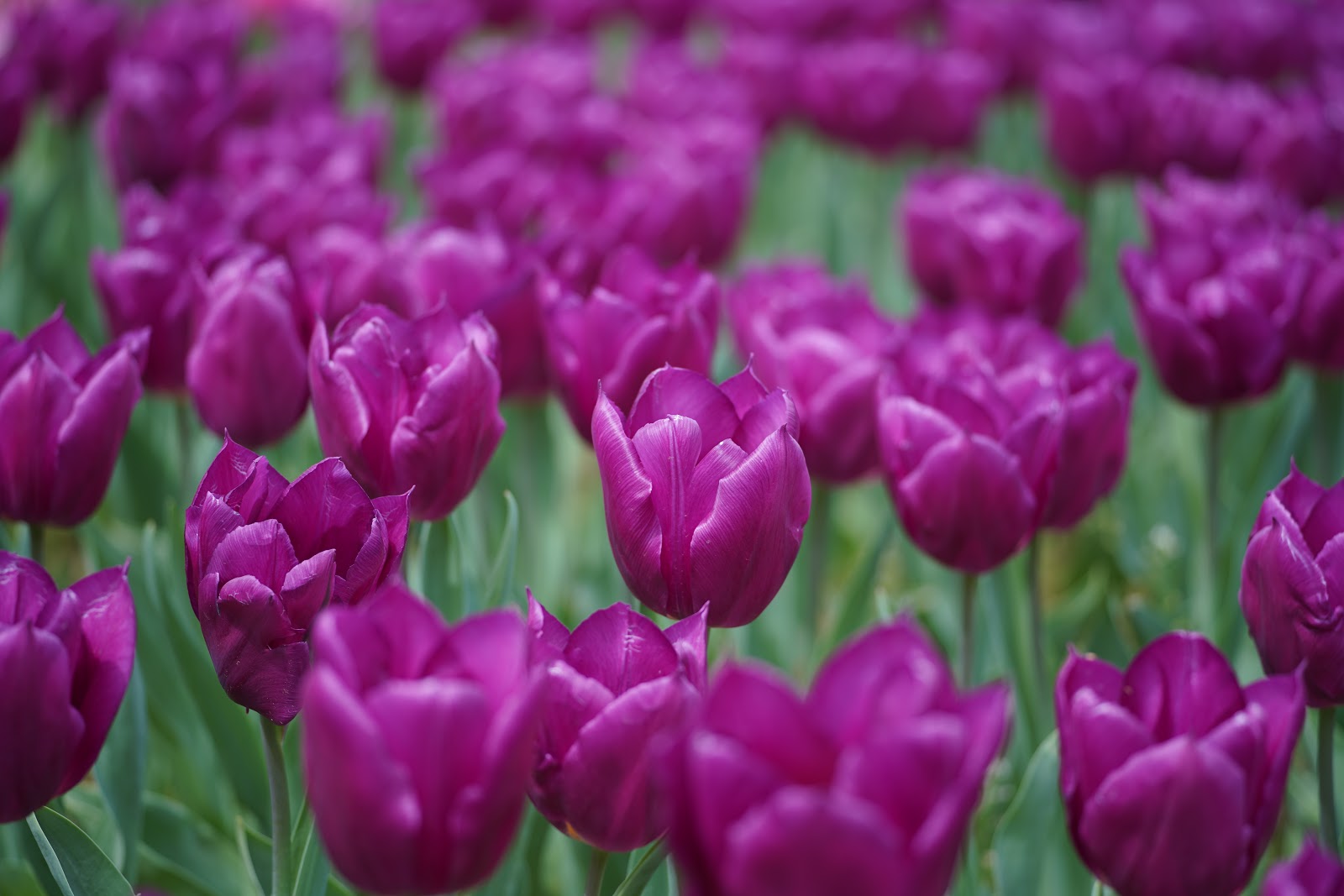
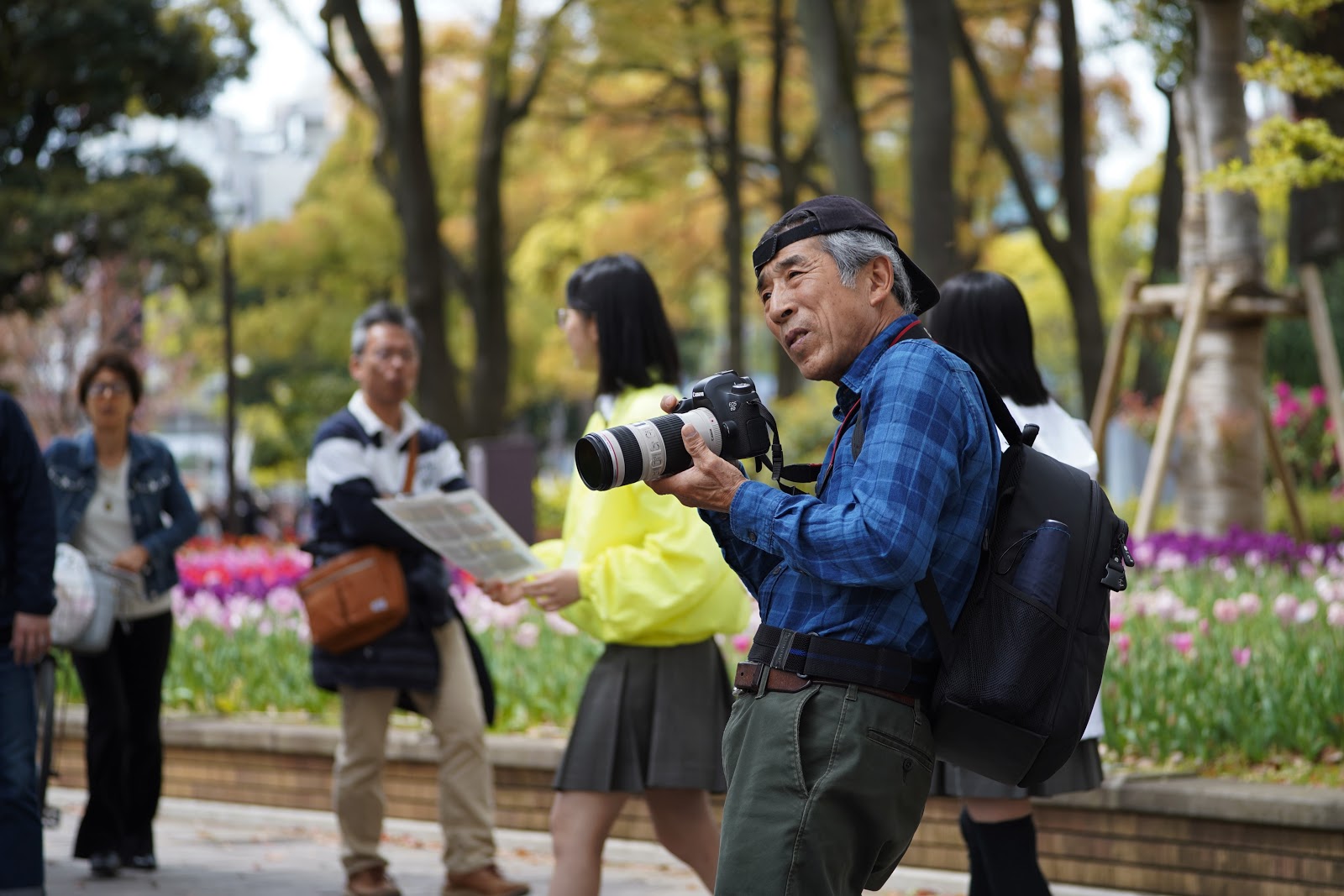
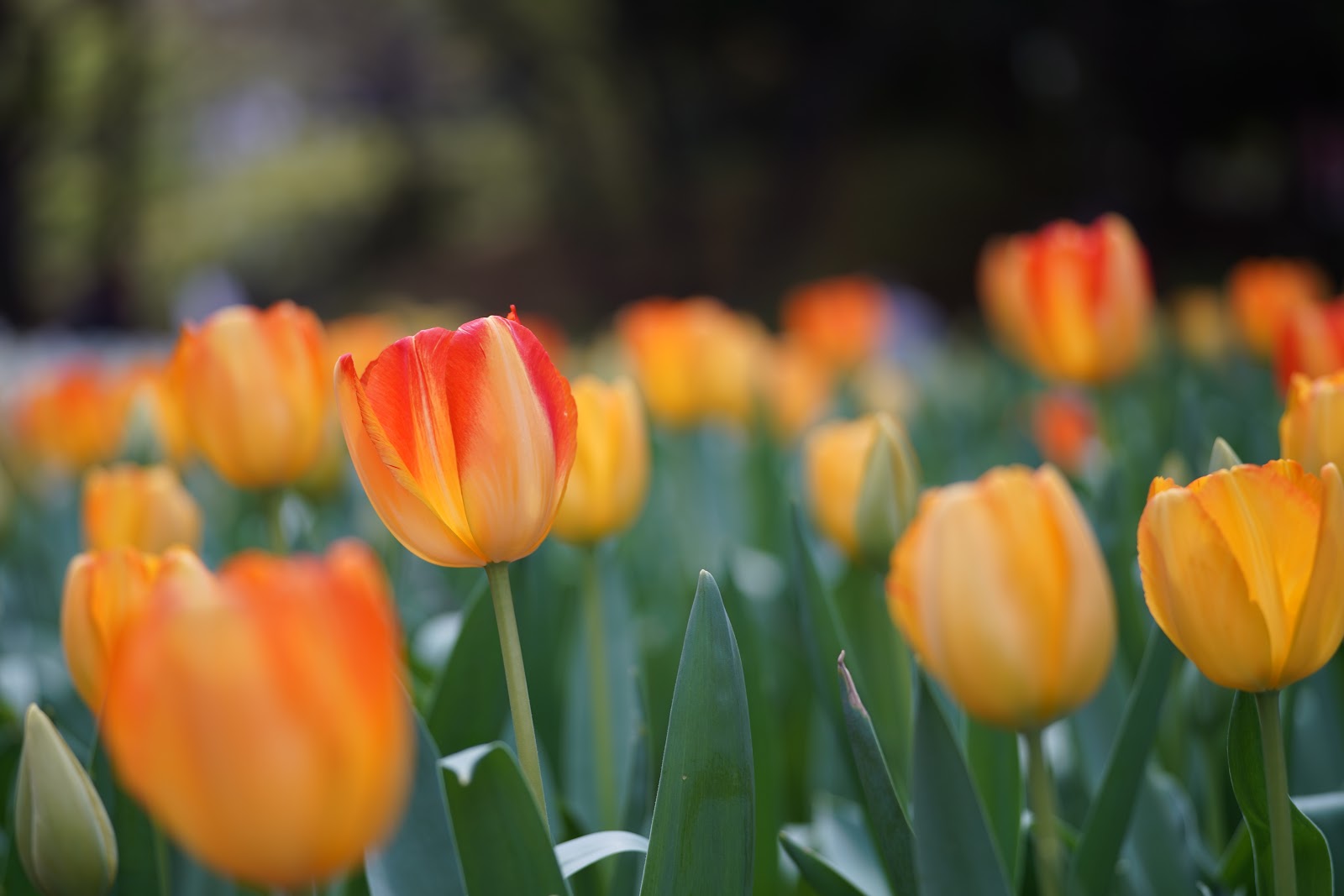
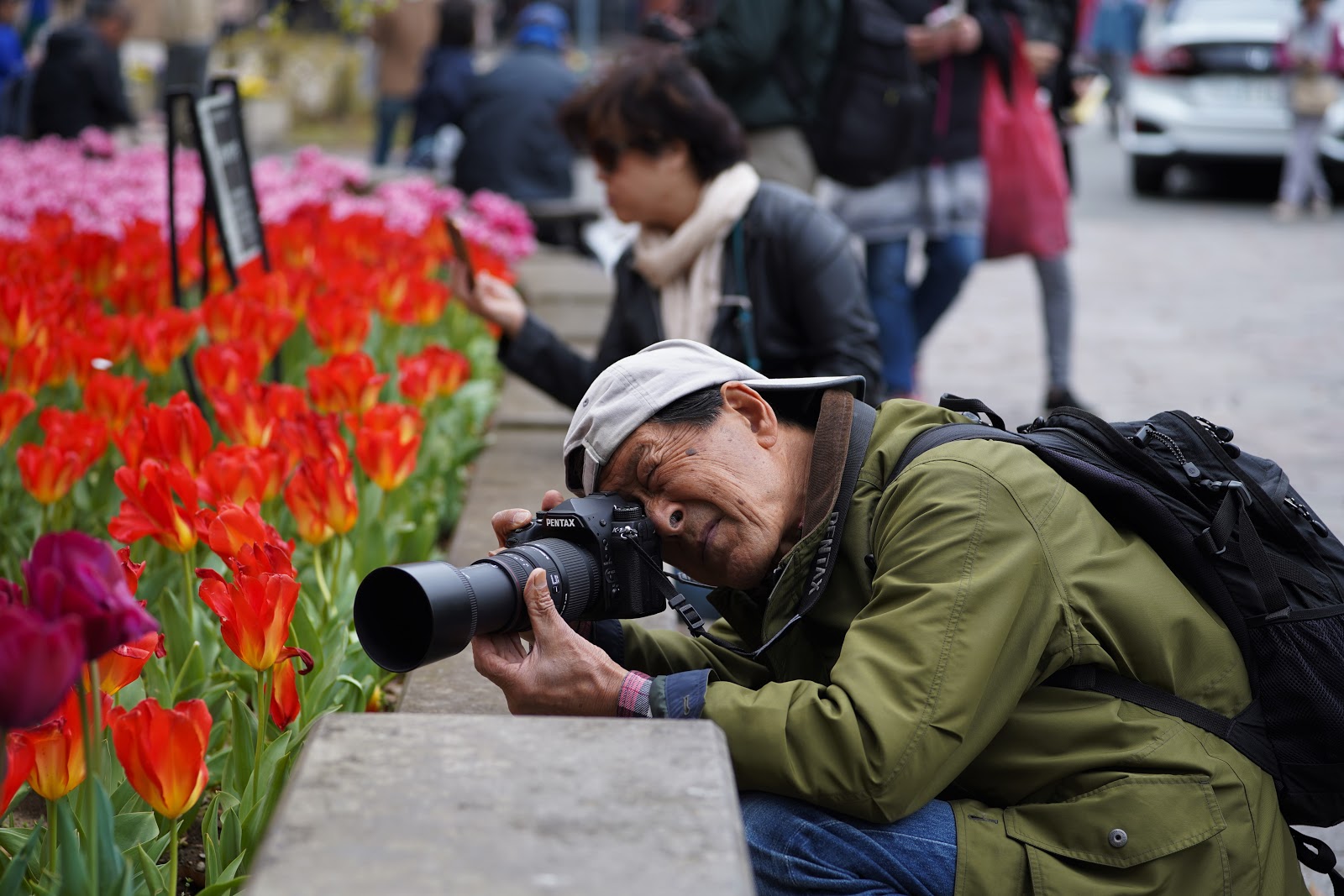
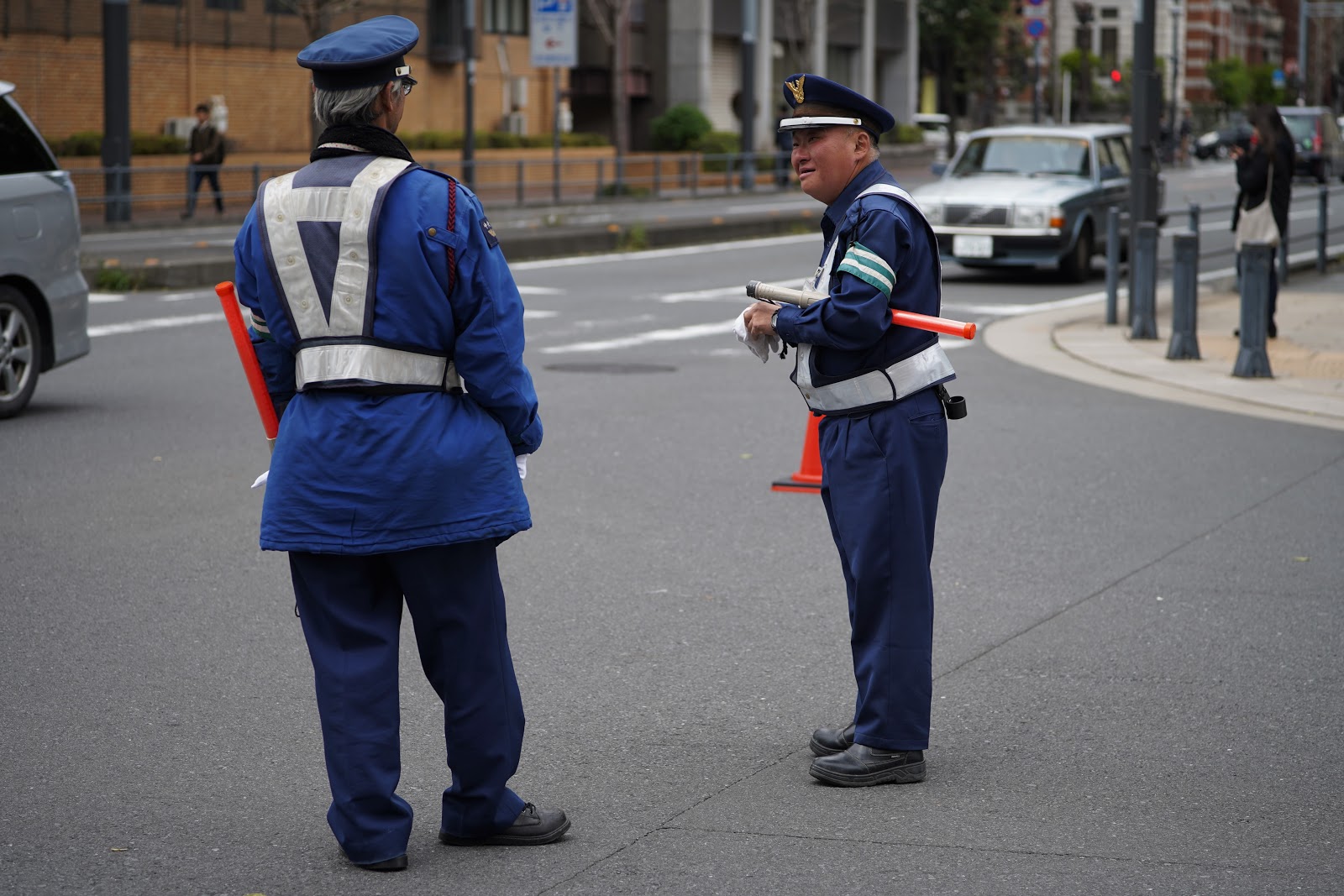
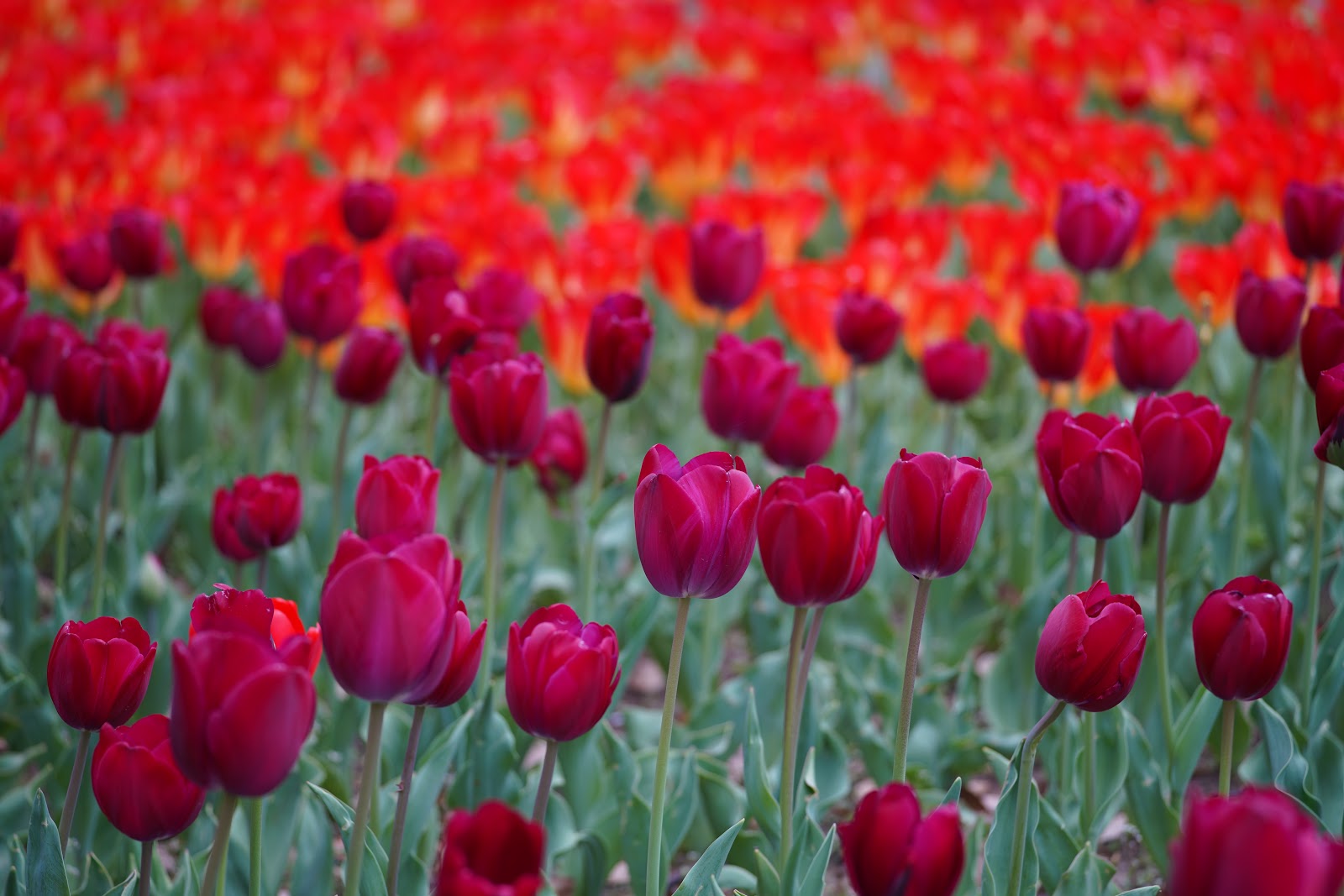
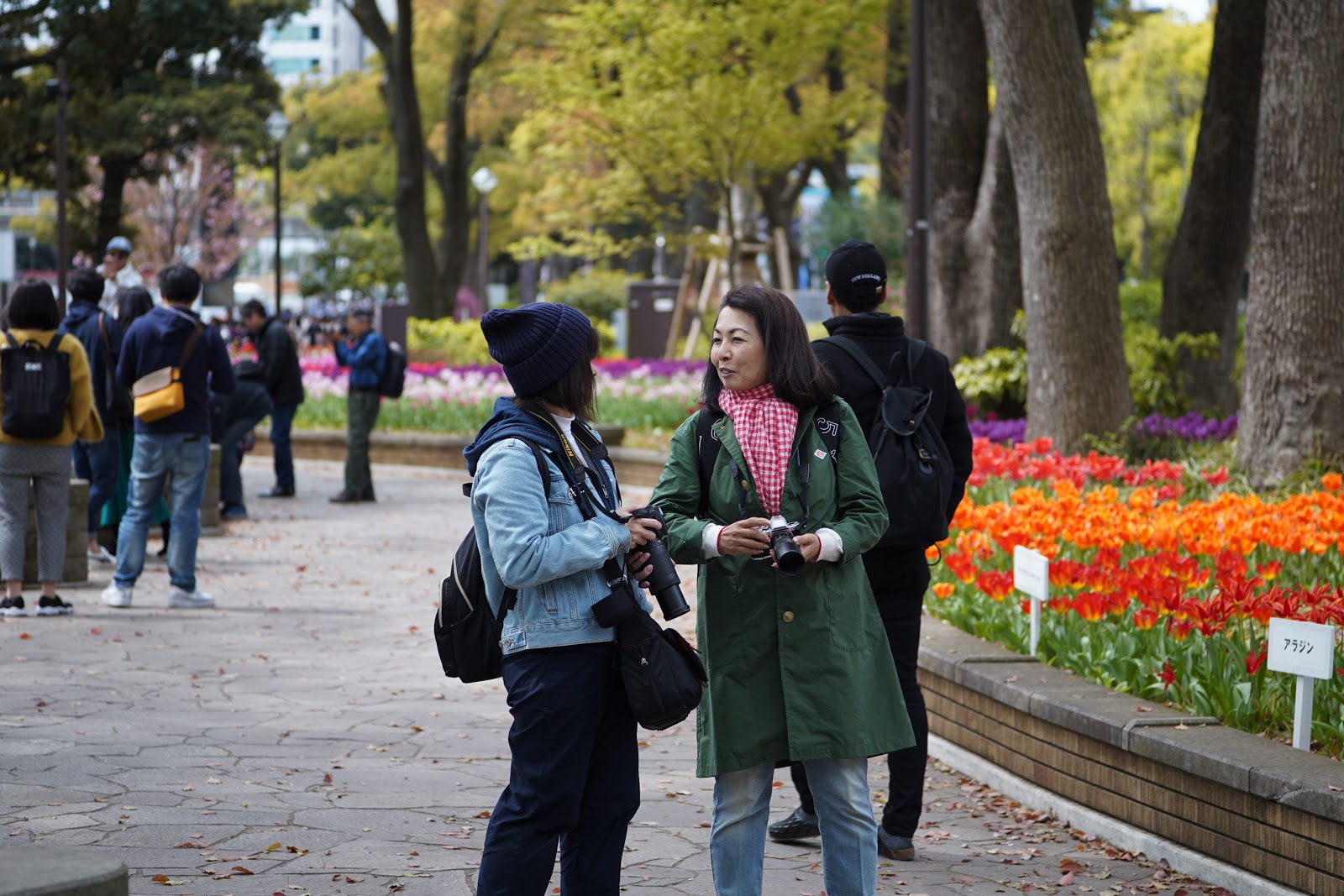
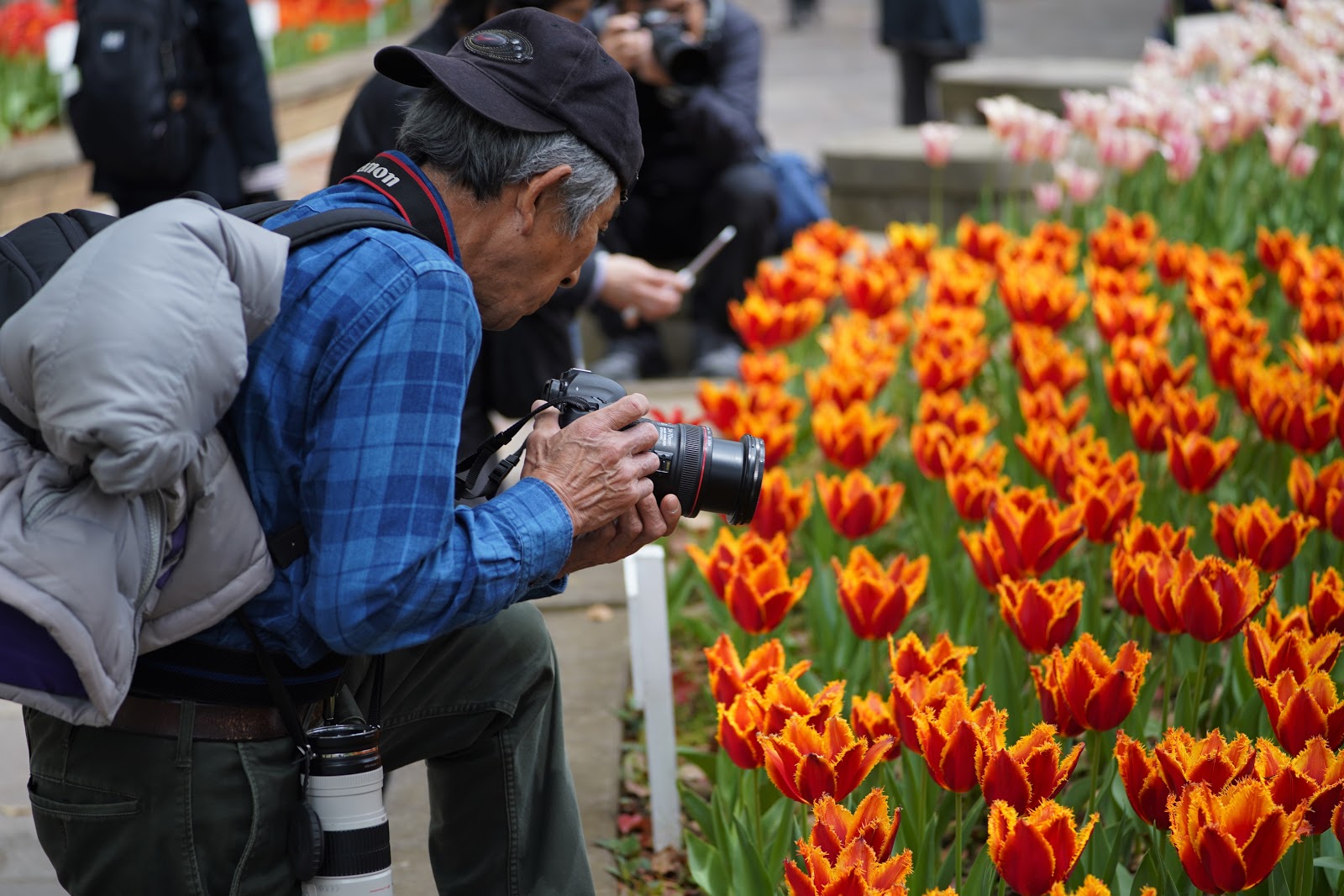
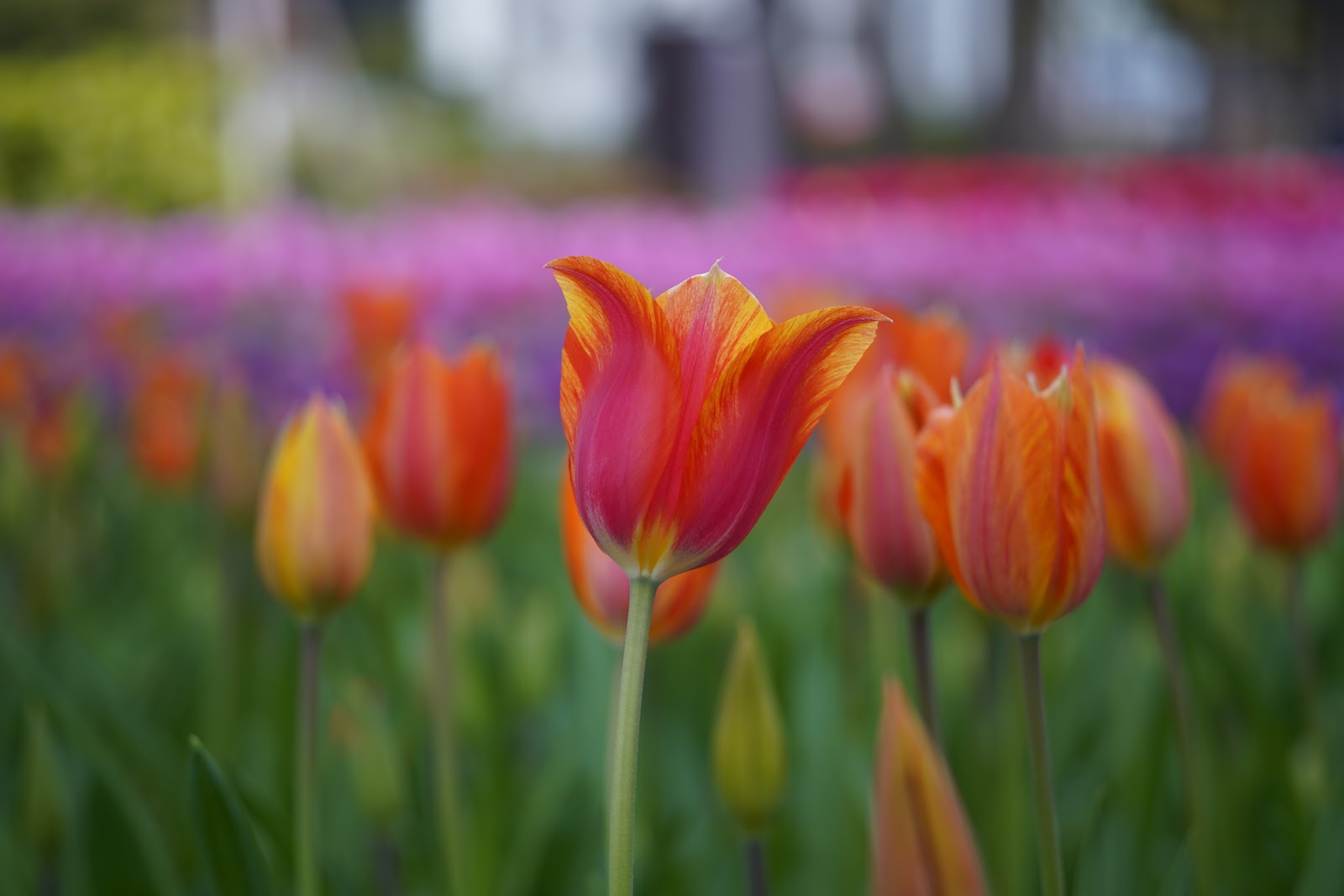
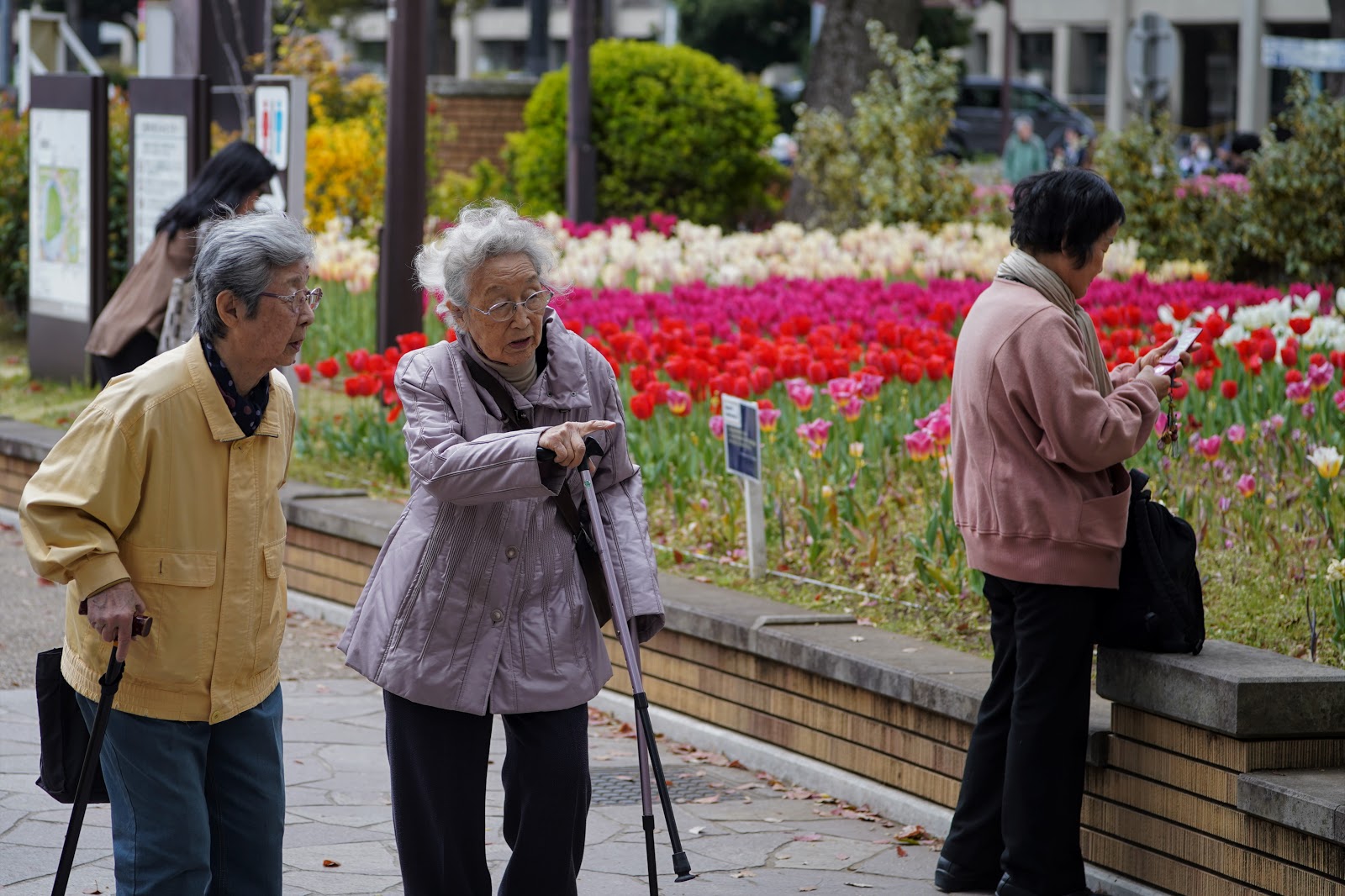
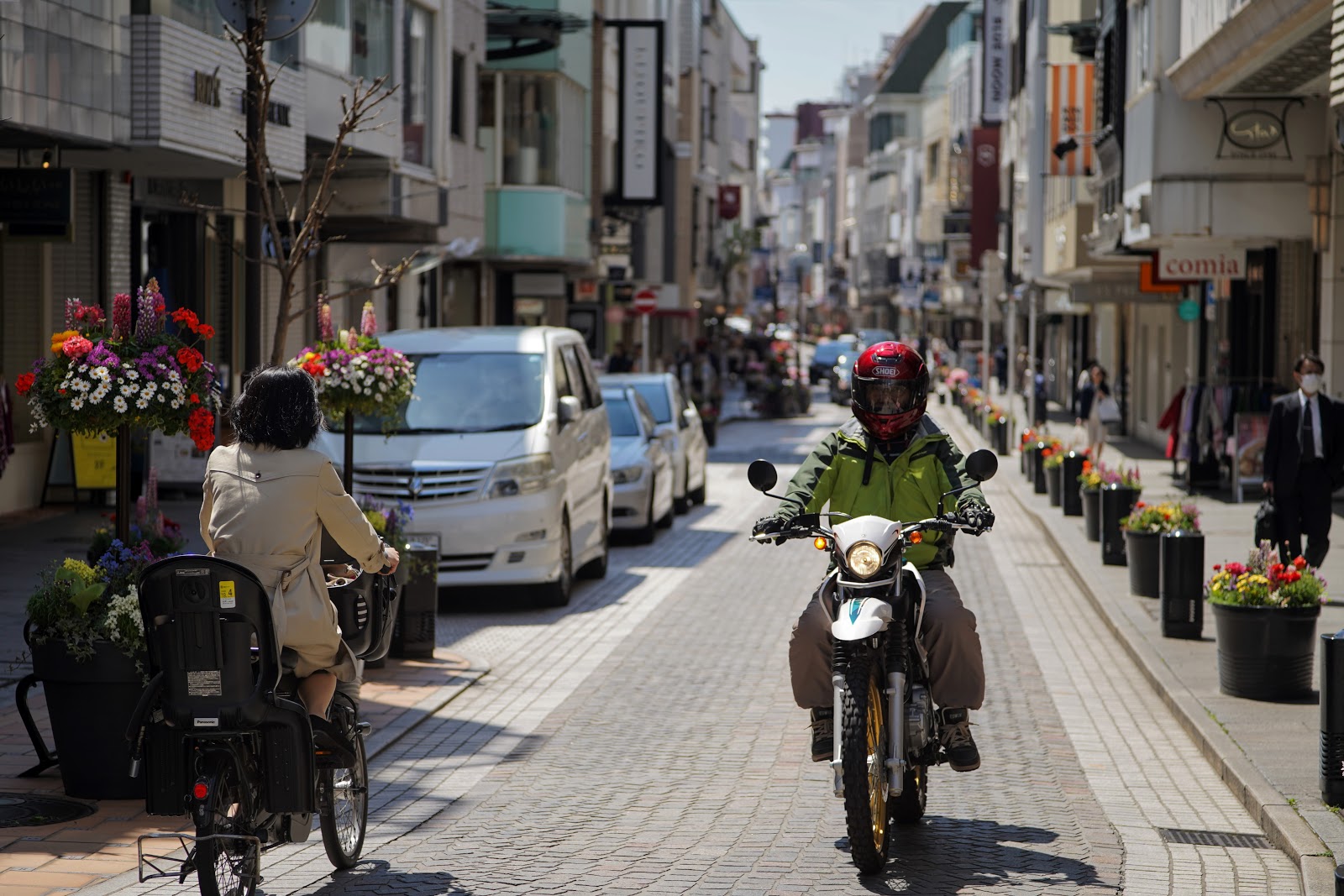
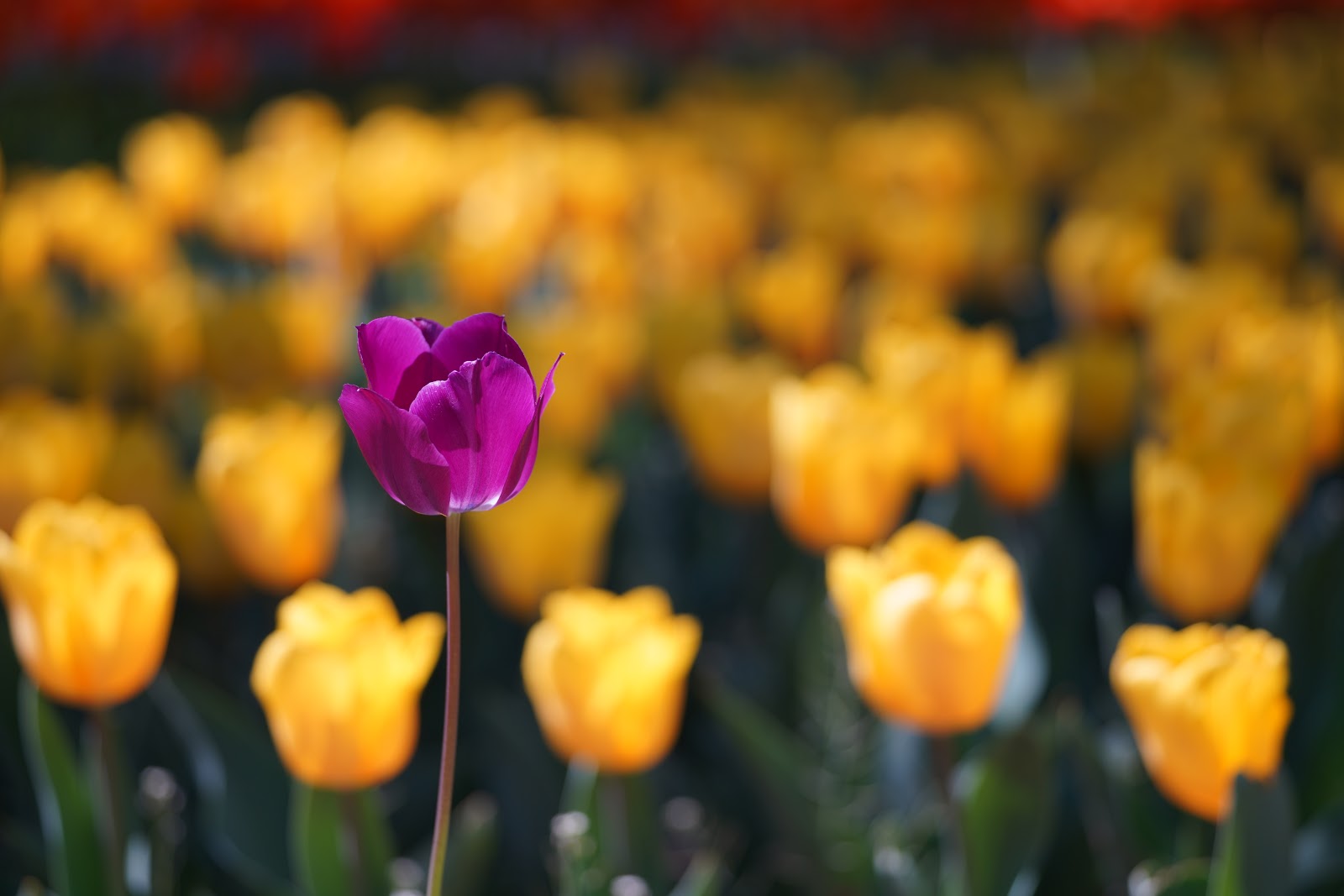
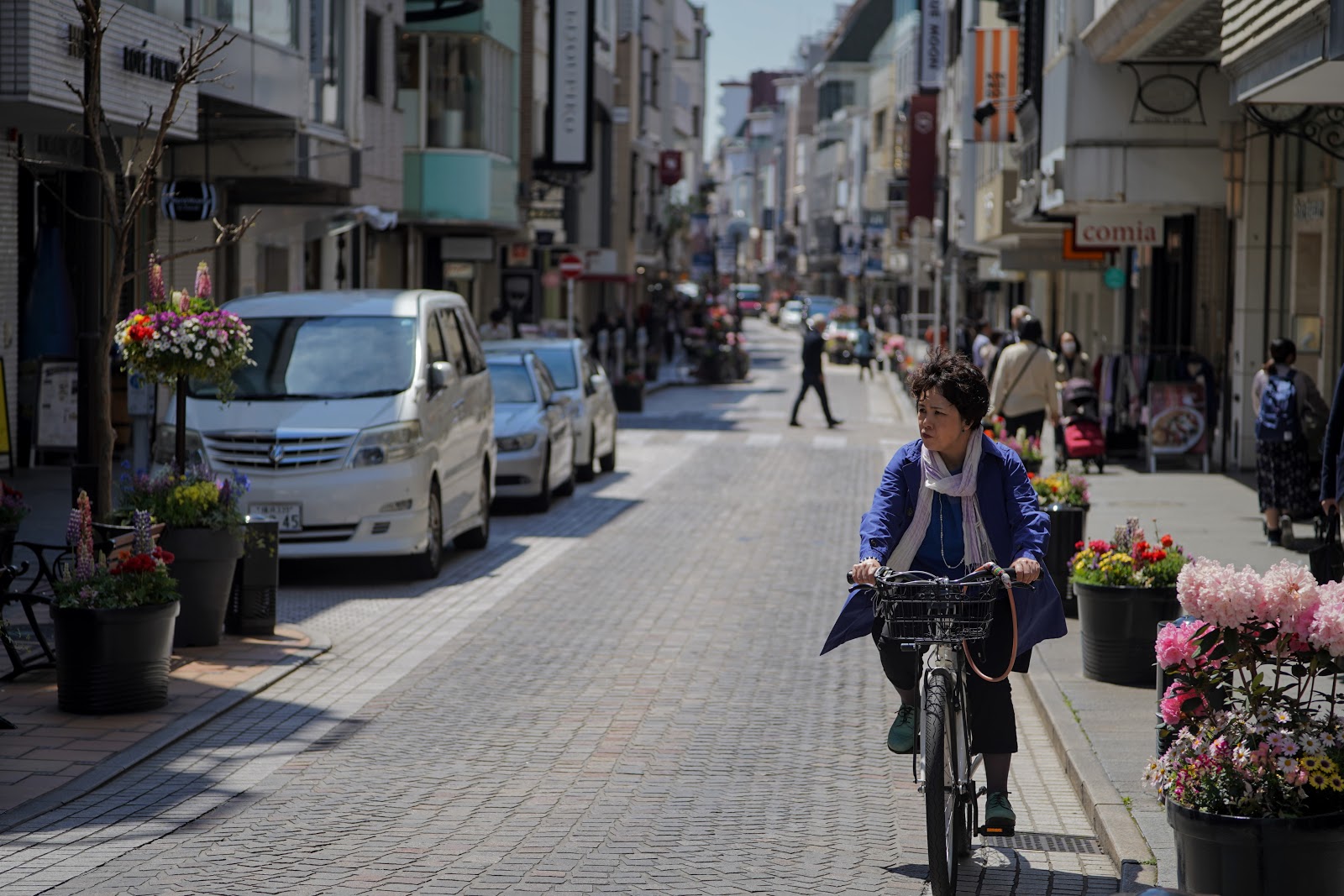
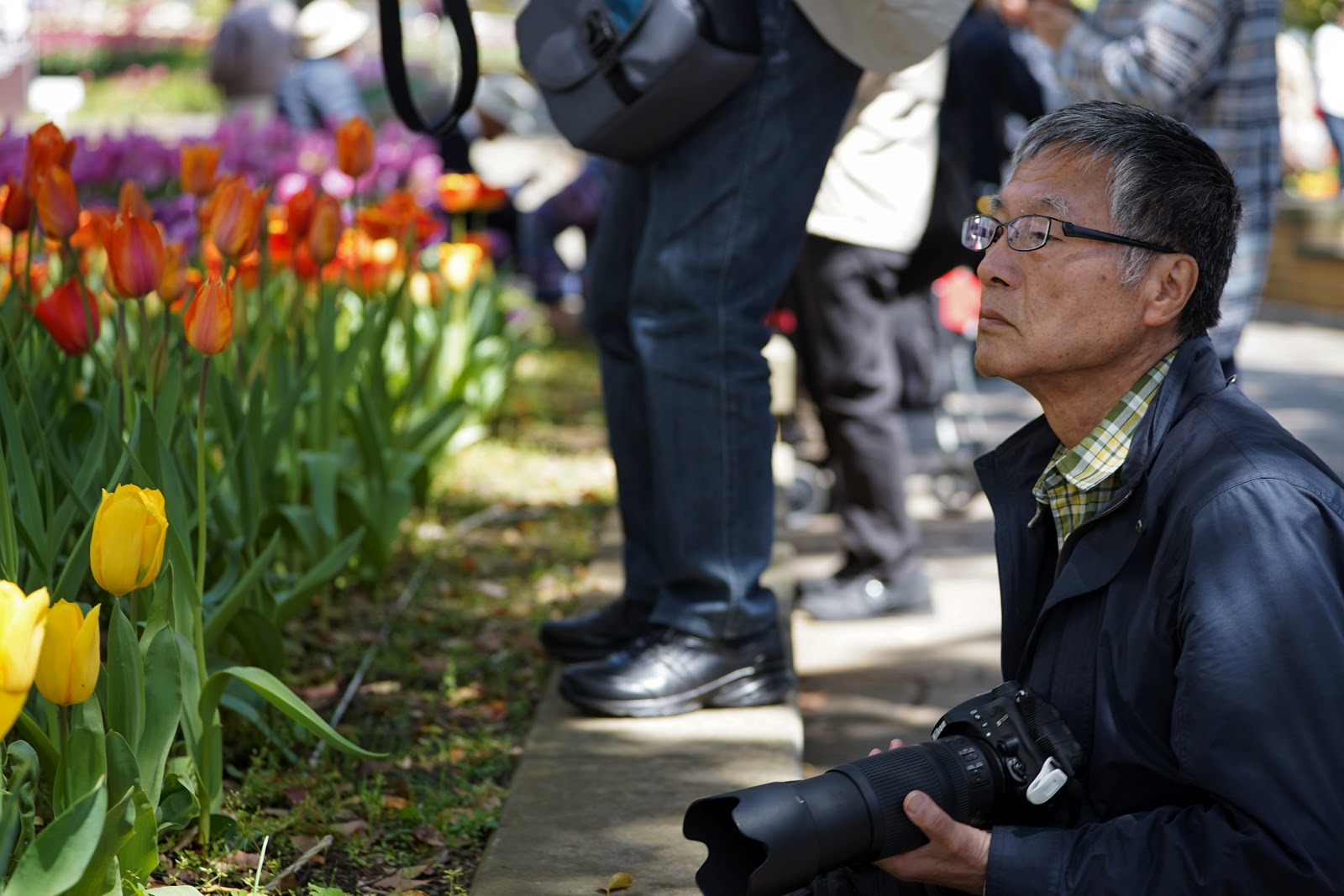
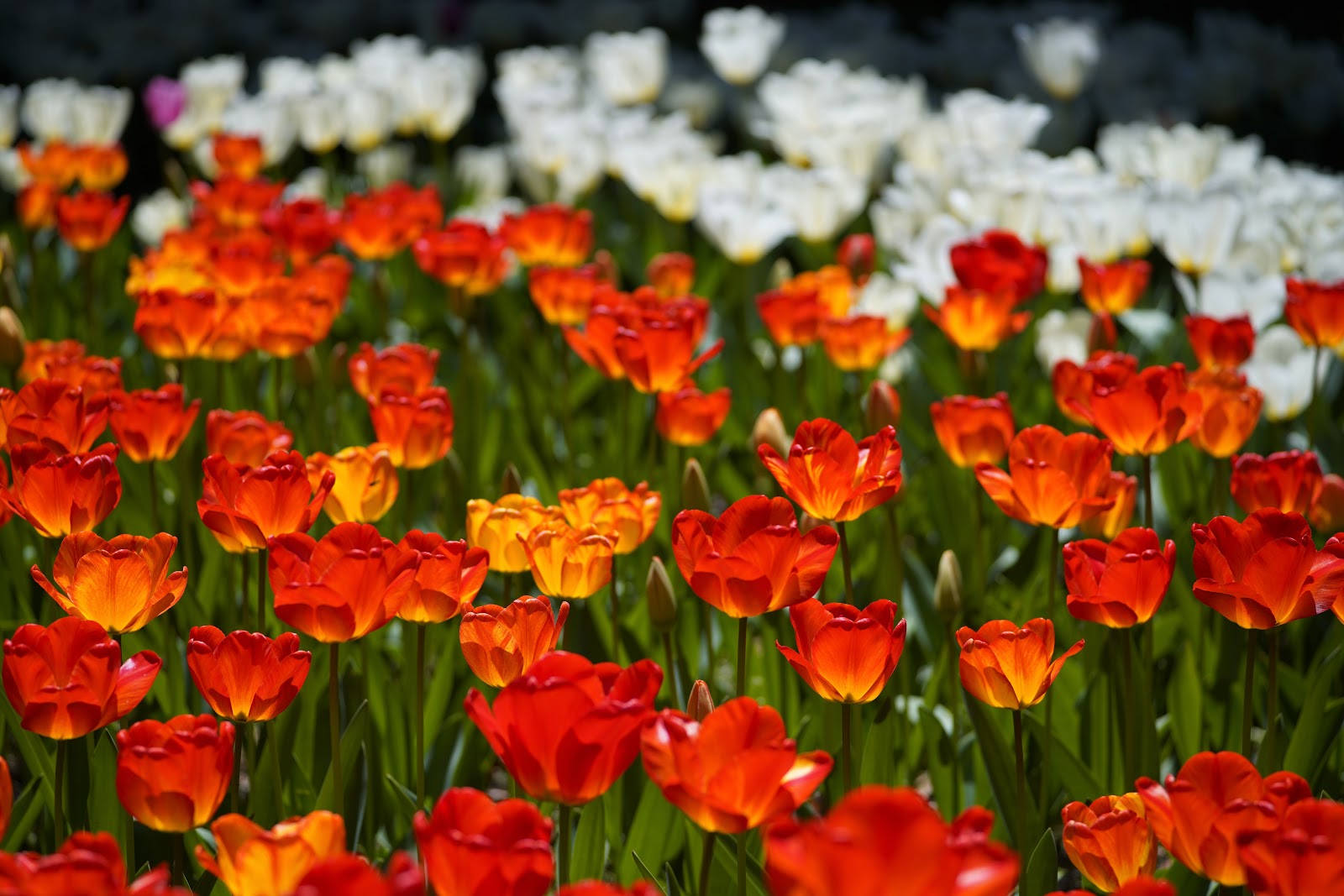
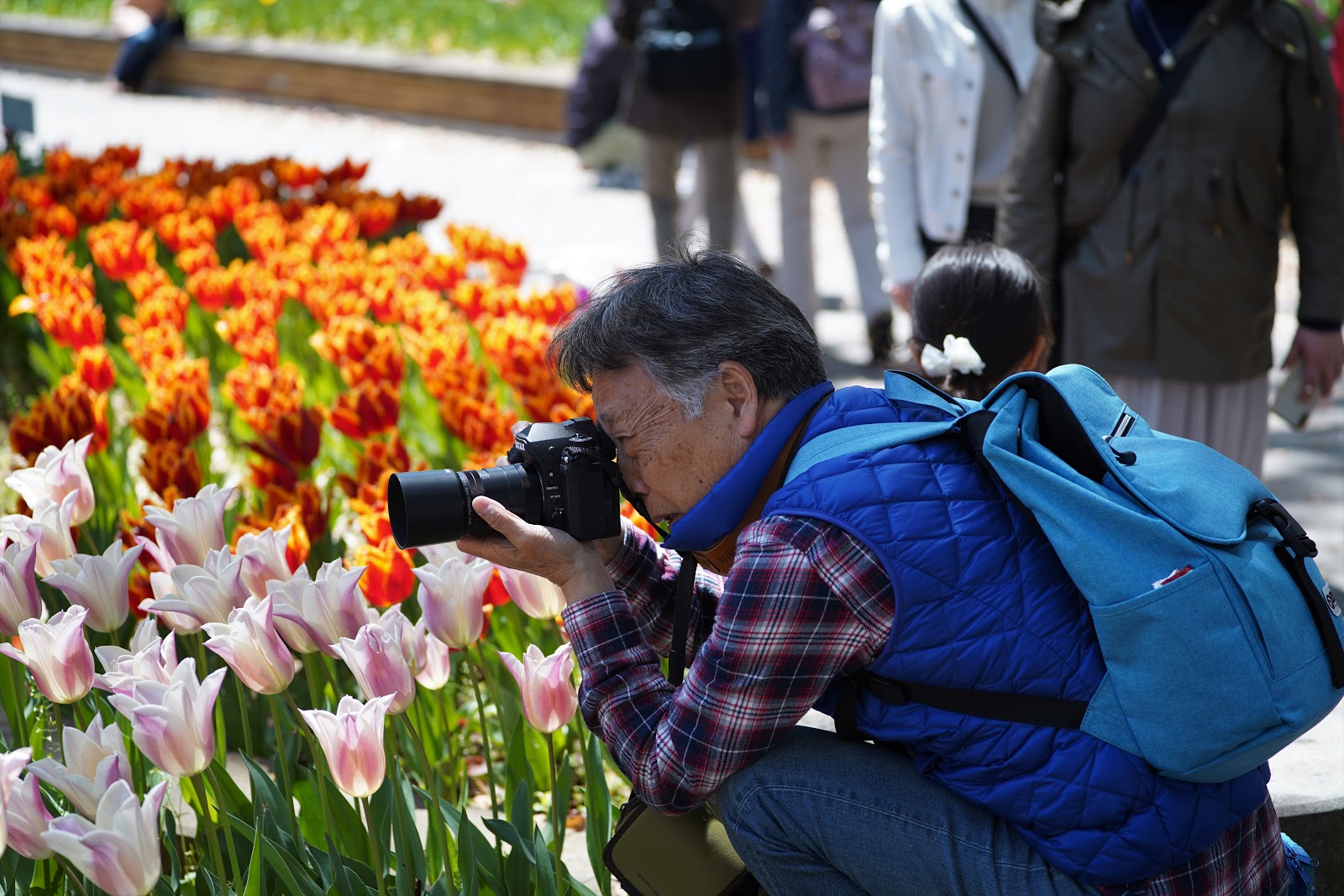
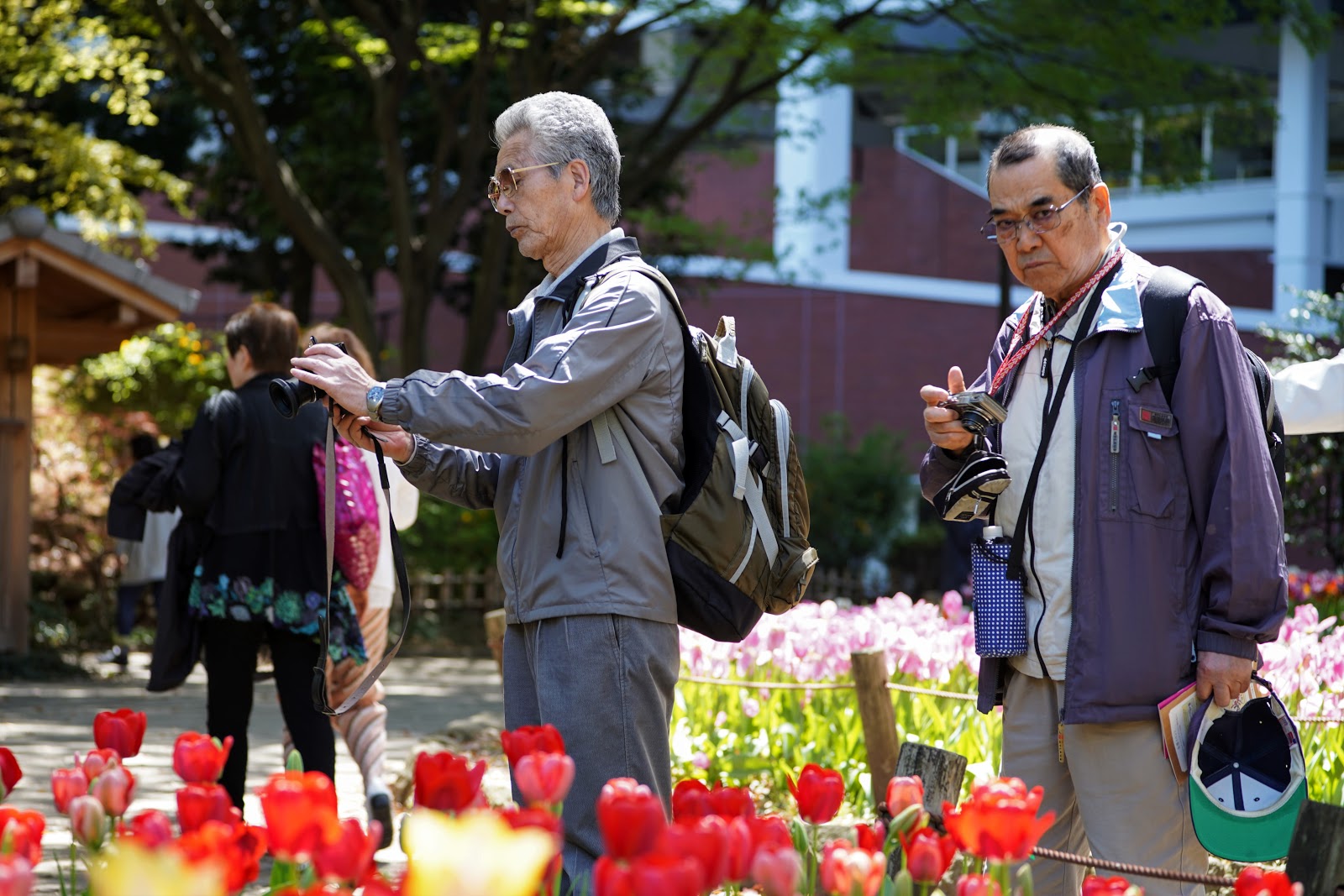
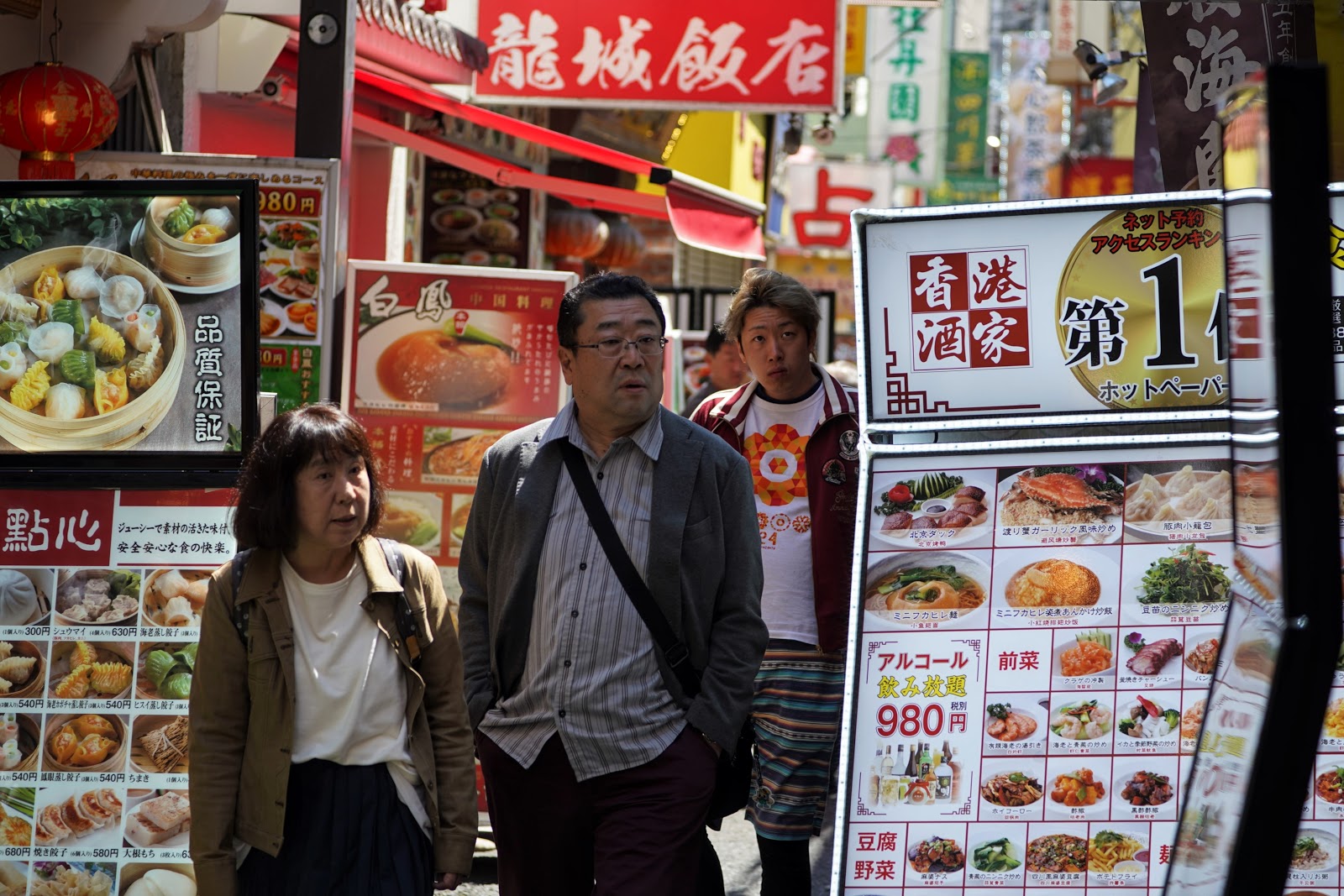
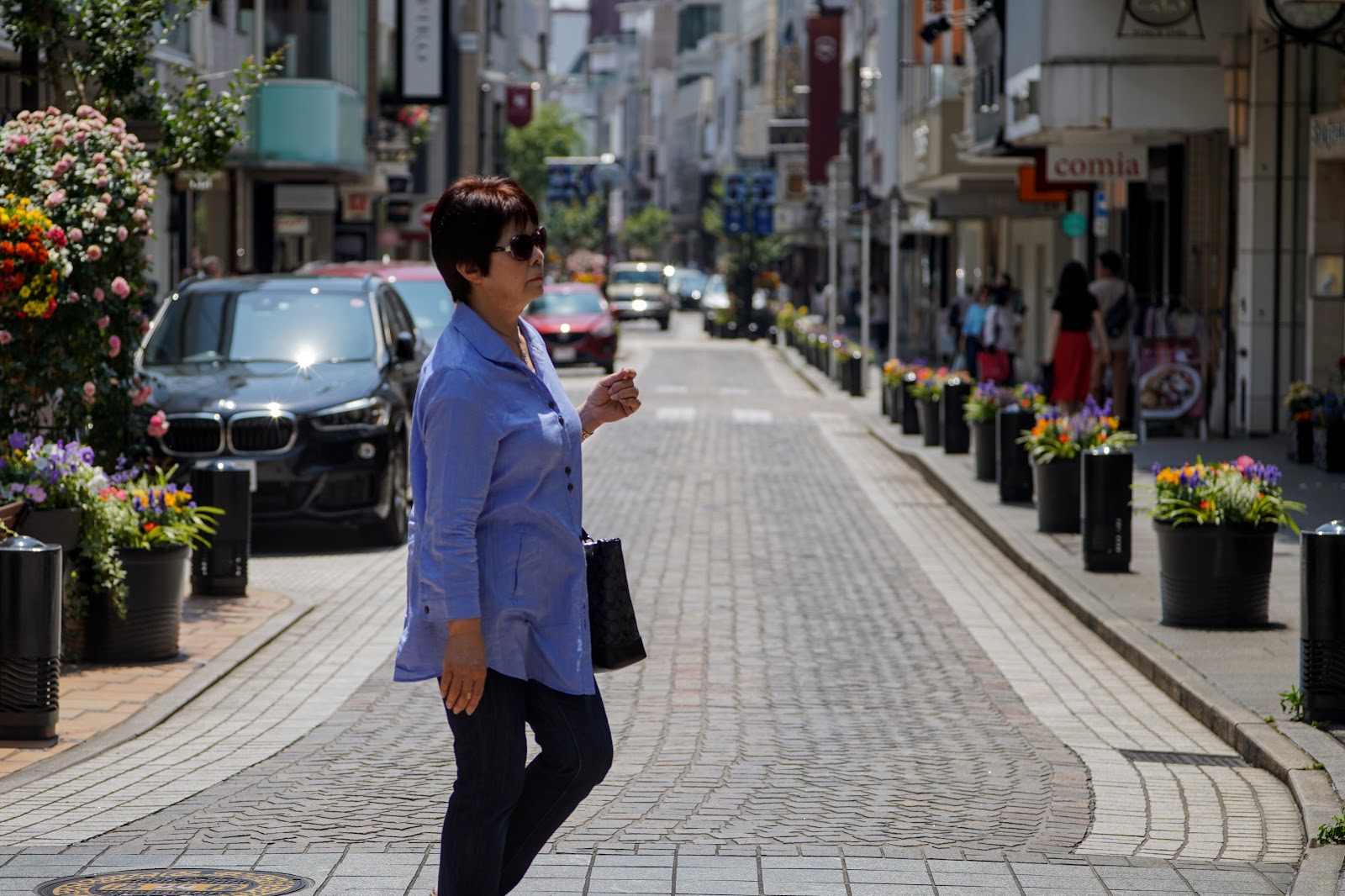
Thanks for those shots Mike. This lens is far more interesting than I ever thought it to be.
As an aside I have just finished re-reading Japanese Inn by Oliver Statler. (I have it in my collection and pick it up to re-read every few years). Though Suruga Bay is a bit to the west of Tokyo Bay where you are, I thought you might be interested in the book if you are not familiar with it. It tells the story of the Minaguchi Ya, a ryokan (no longer in operation) in the village of a feudal post town, named Okitsu on the Tokkaido through several hundred years and in doing so tells the story of that part of Japan's history too (i.e. essentially the Tokugawa era through the Meiji period into the Showa). Quite fascinating for a Japanophile like me. Though parts of it are fictionalized a bit it is still factually correct about the bigger historical aspects.
For a small town Okitsu seems to come up quite a lot in literature - the 1962 film of "The 47 Ronin" (Chushingura) starts in an Okitsu ryokan, the movie "Tokyo Story" has glimpses of the town in its opening scenes, and of course the town is dealt with extensively in the book as well as in Hiroshige's famous prints. In history as well it comes up more than you would expect - Prince Saionji a leading moderate statesman retired and "held court" a lot in Okitsu before and during WW2 where he tried to influence the hardliners to end the war. And Tokugawa Eiyasu founder of the Tokugawa dynasty spent a significant part of his childhood in the Seikenji temple above the town. Fascinating stuff (for me anyway).
It is interesting also to see photos of Okitsu and the Tokkaido back then and compare them, even to images from the 1950s, say when a lot of historical Japan was still intact at least in rural areas less affected by the war. It is kind of sad to see how so much of Japan's history has been lost and built over by super highways. Ah well, that's "progress" I suppose.