

Jack Conrad
Well-known
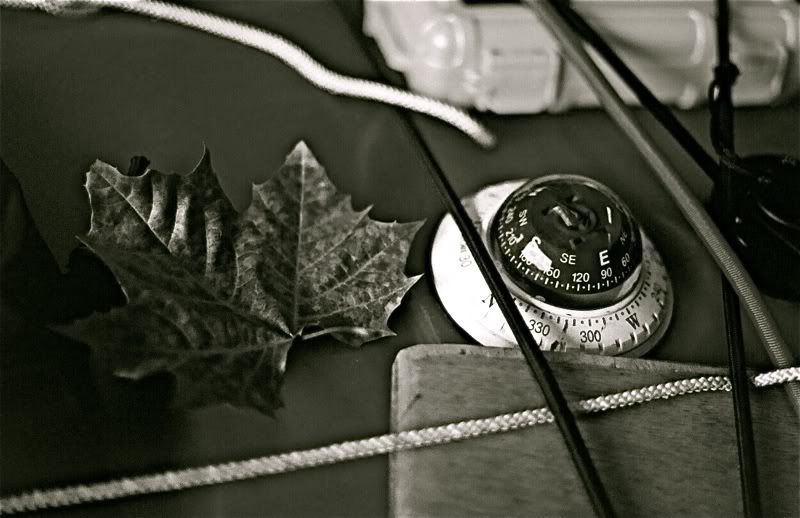
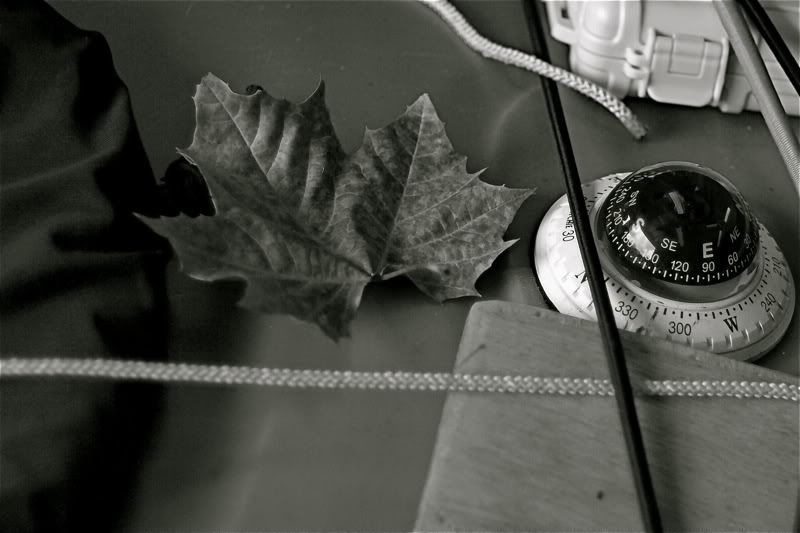
Which is film and which is digital? 🙂
1.
2.
1.
2.



Which is film and which is digital? 🙂
1.
2.
Funny. The bottom examples shadow looks more "clipped" to me than the top one on my monitor. It was taken with a Nikon F using asa 400 drugstore developed and scanned film.
Examine the grain or noise closely in each image. The bottom one is just beginning to band into horizontal line patterns which I find very unappealing. This was taken at iso 400 believe it or not, using a 4/3 e-520 camera.




In the second example: 1. digital 2. film
I agree with Dave. Why are you doing this comparison? Print off a digital 16x20 at the lab and go into the darkroom to do a 16x20 print, put them both on a wall and compare. You're only obscuring facts about digital vs film photography by judging what is on a screen and mixing the film process with a digital process.
You should not need identical images to see the differences or not see the differences.
Actually, identical images -- i.e., with the same lighting and contrast range -- make it much easier to see the differences. One of the major differences between film and digital is how they handle the highlights, as digital tends to blowout the highlights very easily and thus appears much more unattractive in bright, high contrast situations. Identical images help one differentiate blown digital highlights from extreme lighting contrast that even B&W film -- with its far greater dynamic range and shoulder -- might have difficulty handling. For example, it is much easier to tell the first leaf/compass photo is digital because the blown highlights are much more evident when compared to the identical image taken in the second photo on film with the same lighting. The identical subject matter and lighting rule out extreme light contrast as an explanation for the blown highlights in the first digital photo of the leaf and compass.
That's why I believe the second image of the girl above is digital, as the far side of her face and the highlights on her clothing are blown out, even though the lighting does not appear to be overly contrasty. The first image also appears to be digital, although it blown highlights are more subtle.
I also believe both images are digital because they seem to exhibit some noise and an absence of fine textural detail in the even tones. This is more evident in the second photo -- along the near side of the girl's face -- than the first. That's why I'm more confident that the second photo is digital, although I also think the first is also digital, as there is a similar noise and lack of detail in the shaded portion of the girl's face, although more subtle. The problem with alot of digital photos that I have seen is that the noise reduction features of digital cameras tend to eliminate fine textures in favor of emphasizing edges, which makes images appear to be superficially sharper, but which tend to look somewhat artificial. In both photos of the girl, note the almost total absence of textural detail on the side of the girl's face (aside from the freckles), although the individual strands of the girl's hair are resolved (which eliminates absence of DOF as an explanation for the absence of textural detail). That's why film can be -- properly handled -- both more subtle and actually sharper than digital. Digital "sharpness" is frankly somewhat artificial in drawing the eye to edge contrast, as opposed to resolving fine textural detail.
Don't get me wrong -- digital cameras can take very fine and pleasing images. However, their relative shortcomings only tend to become evident when compared to an identical, properly executed film image which tends to show better highlight detail, finer gradations of tonality and textural detail. If you disagree, take a look at the Zacuto website with their comparison between digital cameras (including full frame cameras such as the Canon 5D MKII and Nikon D3s) and movie film (which is HALF FRAME 35mm). The digital images look great, until you compare them to identical film images. None of the experts -- users of film or digital -- dispute that film is definitely superior (except in very low light situations). The experts conclude, though, that digital absent such a comparison looks very good. Of course, the extremely detailed and well conceived and executed testing demonstrates that even 35mm film images can outperform full frame digital in many respects, as the movie film images did so -- even though they are only half 35mm frame. The reason why most people mistakenly think digital is sharper than 35mm film is because they are comparing digital images on a monitor to poorly printed and poorly scanned low resolution film images. In doing so, they ignore that there is a tremendous loss in film's image quality in the course of the poor printing and scanning, while the digital images are being displayed essentially in their native format.
You should not need identical images to see the differences or not see the differences. You should use what you like and be happy with your choices. There's no reason why scanned B&W film will not make a good print and there is no reason why digital could not make a decent B&W print. If the differences are so close that identical 16x20 images are needed to tell the two apart then the differences can't be that great and are likely not worth worrying in the great scheme of important things like image content. I would say that smaller prints could show some good reasons why 300ppi digital prints is just not the way to go over hand enlarging.
.


