wayneb
Established
I just got back from a two week trip of Japan and I'd like to share some observations and tips about Tokyo for future RFF members that might be searching the forum for info.
My girlfriend and I did a little bit of shopping, but we kept it limited to areas we were already going to be in. One thing I missed, being a fan of the modern Contax cameras, is there's a shop that specializes in Contax. I went to similar shop in Ginza that specializes in Nikon, it was a tiny shop and basically had the entire history of Nikon bodies in order. (There's a list of Tokyo shops post on RFF that's helpful).
Kurt Easterwood of japanexposures.com is an old friend and was kind enough to show us around the back streets of Nakano. One of the better camera stores in Tokyo, Fujiya Camera is located there. They have a nice-sized selection and very reasonable prices. Nakano is worth a visit, as it has a feeling of a shopping district left behind by other areas that have been modernized.
Map Camera, Shinjuku. Probably more Leica bodies than you will ever see in one place. Very nice shop. There's an annex for Japanese cameras and a "sale" area of cameras that aren't in as great condition as most of the cameras they sell. One thing about buying used is that, Japanese is helpful as the little cards with the price will describe the defects. In general it seems the quality of used is higher (and of course the selection) than the states. But the exchange rate makes any "deals" difficult to find. That said, there's a great value in being able to hold and test a camera, which you can't do buying online.
Yodobashi camera, Shinjuku. Very famous and crazy, everyone will visit here, as it is the stereotype of a Japanese electronics store. Makes a Best Buy in the US seem like a monastery, quiet and tranquil. One thing that's worth seeing, if you shoot medium format, is the annex has all the Pentax and Mamiya MF gear, new in boxes (and new prices!). Yodobashi has a film fridge that has a good selection, especially of Japanese film that isn't available in the US. But the prices are not going to be as good as Freestyle, so if you are shooting in Japan, it's probably best to bring your own film.
In Ginza you'll visit the Leica store and gallery. It's worth the visit, if only for the gallery upstairs, with beautifully produced prints and some of the vintage Leicas on display in the cases (not for sale). Sankyo Camera is a much smaller (http://www.japanexposures.com/2009/02/21/ginza-classics/) shop and it seems you can actually find deals, especially on Japanese cameras.
Lemon camera, Ginza. Map in Shinjuku seems to get the most recommendations, but I was most impressed at Lemon. Perhaps because the stock is not split up in different buildings, but also the depth is astonishing. They have less quantity of Leica M, but there's a whole shelf of Hasselblad SWC. Or a handful of Plaubel Makina 67, which you never see in stores in the states. Similar to Map, it's nice stuff and it's not cheap.
In Ebisu, Tokyo museum of photography (http://www.syabi.com/index_eng.shtml). A slight disappointment, as most of the exhibits when we visited were video-related (though they had Warhol's excellent screen tests on display, which is a treat). Has a nice cafe and small, but great bookshop and store that had a fun selection of toy cameras. The shop seems to be run by a local gallery and store called Nadiff (http://www.nadiff.com/shopinfo/shoplist/map_apart.html) which is within walking distance. They have an excellent selection of photography books, especially Japanese. Worth the walk through a nice, quiet Tokyo neighborhood.
Sokyusha in Shinjuku (search sokyusha.com in google maps for the location) is a small gallery and bookstore that is highly recommended. Perhaps the best selection of Japanese photobooks we saw on the trip. Gives you a good sense of contemporary Japanese photo culture.
In general, any larger bookstore you go to will have a better photo book selection that most art bookshops and certainly any chain bookstore in the US. For example, on a snowy afternoon we found ourselves in TSUTAYA in Roppongi. I believe this is a big media store chain, but the photo book selection was excellent.
Japan has a more intense magazine culture than anywhere I've been. The stores are also filled with "mooks" (publications that aren't quite books and not quite magazines). An example is a tiny volume called "Fun with Rollei," half of it features the history of Rolleiflex models, with the other half around town street photography by one or two photographers.
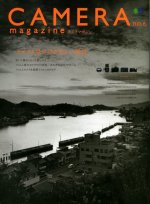
You'll see several photo magazines that might be worth getting, even if you don't speak Japanese. Half of one of the nicer ones was devoted to Robert Frank's The Americans exhibit. There are several photography magazines aimed at young women. All of the magazines featured the new Fuji 67/66 folder, both in articles and advertisements (like the entire back cover of at least one magazine). One of the women's magazines featured a small article showing how load the Fuji 67 and examples of photos shot with it. The Panasonic G1 with Leica adapter also seemed to be featured often in these magazines (and in the photo stores).
Street photography: Tokyo is a great place for street photography. This is one of the world's great cities, remarkably much of what you see is less than 50 years old. I can't recommend visiting enough. Once you filter out the obvious things (a wall of neon! people are wearing medical masks!), the city is so large, with so many people (moving at a pace that makes NYC seem quaint), that you can't help find interesting things to take photos of. Theft isn't as common in Japan as other countries, so it's nice to be less concerned about your gear or being pick-pocketed while you are being a tourist with a camera around your neck. The people are generally more friendly than you encounter in the US, so that makes shooting a bit more relaxed.
I expected to see more people with cameras and/or more of them taking cell phone photos. You see more people with DSRLs in the US. I guess I had a fantasy of an 80 year old guy with his Canon 7, but I never saw that. I was there before cherry blossom season, so that might be when the cameras appear.
Getting around - highly recommend using the iphone 3G. You pay $50 for "international data roaming" that gives you 50MB and can use Google maps with GPS. It's pretty great. The only frustrating thing is getting your 5 picks in a neighborhood to save on the phone as bookmarks. You can save 'my maps' on the desktop version, but you can't access these from the phone.
Post trip addition: Here is my (public) set of photos from this trip: http://www.flickr.com/photos/bremser/sets/72157615803793905/
nearly the entire set was shot with one camera/lens - Contax G1 with 28mm.
My girlfriend and I did a little bit of shopping, but we kept it limited to areas we were already going to be in. One thing I missed, being a fan of the modern Contax cameras, is there's a shop that specializes in Contax. I went to similar shop in Ginza that specializes in Nikon, it was a tiny shop and basically had the entire history of Nikon bodies in order. (There's a list of Tokyo shops post on RFF that's helpful).
Kurt Easterwood of japanexposures.com is an old friend and was kind enough to show us around the back streets of Nakano. One of the better camera stores in Tokyo, Fujiya Camera is located there. They have a nice-sized selection and very reasonable prices. Nakano is worth a visit, as it has a feeling of a shopping district left behind by other areas that have been modernized.
Map Camera, Shinjuku. Probably more Leica bodies than you will ever see in one place. Very nice shop. There's an annex for Japanese cameras and a "sale" area of cameras that aren't in as great condition as most of the cameras they sell. One thing about buying used is that, Japanese is helpful as the little cards with the price will describe the defects. In general it seems the quality of used is higher (and of course the selection) than the states. But the exchange rate makes any "deals" difficult to find. That said, there's a great value in being able to hold and test a camera, which you can't do buying online.
Yodobashi camera, Shinjuku. Very famous and crazy, everyone will visit here, as it is the stereotype of a Japanese electronics store. Makes a Best Buy in the US seem like a monastery, quiet and tranquil. One thing that's worth seeing, if you shoot medium format, is the annex has all the Pentax and Mamiya MF gear, new in boxes (and new prices!). Yodobashi has a film fridge that has a good selection, especially of Japanese film that isn't available in the US. But the prices are not going to be as good as Freestyle, so if you are shooting in Japan, it's probably best to bring your own film.
In Ginza you'll visit the Leica store and gallery. It's worth the visit, if only for the gallery upstairs, with beautifully produced prints and some of the vintage Leicas on display in the cases (not for sale). Sankyo Camera is a much smaller (http://www.japanexposures.com/2009/02/21/ginza-classics/) shop and it seems you can actually find deals, especially on Japanese cameras.
Lemon camera, Ginza. Map in Shinjuku seems to get the most recommendations, but I was most impressed at Lemon. Perhaps because the stock is not split up in different buildings, but also the depth is astonishing. They have less quantity of Leica M, but there's a whole shelf of Hasselblad SWC. Or a handful of Plaubel Makina 67, which you never see in stores in the states. Similar to Map, it's nice stuff and it's not cheap.
In Ebisu, Tokyo museum of photography (http://www.syabi.com/index_eng.shtml). A slight disappointment, as most of the exhibits when we visited were video-related (though they had Warhol's excellent screen tests on display, which is a treat). Has a nice cafe and small, but great bookshop and store that had a fun selection of toy cameras. The shop seems to be run by a local gallery and store called Nadiff (http://www.nadiff.com/shopinfo/shoplist/map_apart.html) which is within walking distance. They have an excellent selection of photography books, especially Japanese. Worth the walk through a nice, quiet Tokyo neighborhood.
Sokyusha in Shinjuku (search sokyusha.com in google maps for the location) is a small gallery and bookstore that is highly recommended. Perhaps the best selection of Japanese photobooks we saw on the trip. Gives you a good sense of contemporary Japanese photo culture.
In general, any larger bookstore you go to will have a better photo book selection that most art bookshops and certainly any chain bookstore in the US. For example, on a snowy afternoon we found ourselves in TSUTAYA in Roppongi. I believe this is a big media store chain, but the photo book selection was excellent.
Japan has a more intense magazine culture than anywhere I've been. The stores are also filled with "mooks" (publications that aren't quite books and not quite magazines). An example is a tiny volume called "Fun with Rollei," half of it features the history of Rolleiflex models, with the other half around town street photography by one or two photographers.
You'll see several photo magazines that might be worth getting, even if you don't speak Japanese. Half of one of the nicer ones was devoted to Robert Frank's The Americans exhibit. There are several photography magazines aimed at young women. All of the magazines featured the new Fuji 67/66 folder, both in articles and advertisements (like the entire back cover of at least one magazine). One of the women's magazines featured a small article showing how load the Fuji 67 and examples of photos shot with it. The Panasonic G1 with Leica adapter also seemed to be featured often in these magazines (and in the photo stores).
Street photography: Tokyo is a great place for street photography. This is one of the world's great cities, remarkably much of what you see is less than 50 years old. I can't recommend visiting enough. Once you filter out the obvious things (a wall of neon! people are wearing medical masks!), the city is so large, with so many people (moving at a pace that makes NYC seem quaint), that you can't help find interesting things to take photos of. Theft isn't as common in Japan as other countries, so it's nice to be less concerned about your gear or being pick-pocketed while you are being a tourist with a camera around your neck. The people are generally more friendly than you encounter in the US, so that makes shooting a bit more relaxed.
I expected to see more people with cameras and/or more of them taking cell phone photos. You see more people with DSRLs in the US. I guess I had a fantasy of an 80 year old guy with his Canon 7, but I never saw that. I was there before cherry blossom season, so that might be when the cameras appear.
Getting around - highly recommend using the iphone 3G. You pay $50 for "international data roaming" that gives you 50MB and can use Google maps with GPS. It's pretty great. The only frustrating thing is getting your 5 picks in a neighborhood to save on the phone as bookmarks. You can save 'my maps' on the desktop version, but you can't access these from the phone.
Post trip addition: Here is my (public) set of photos from this trip: http://www.flickr.com/photos/bremser/sets/72157615803793905/
nearly the entire set was shot with one camera/lens - Contax G1 with 28mm.
Last edited: