I want to add my thanks to our friend Lukitas for starting the thread, which I should have done before my burst of posts.
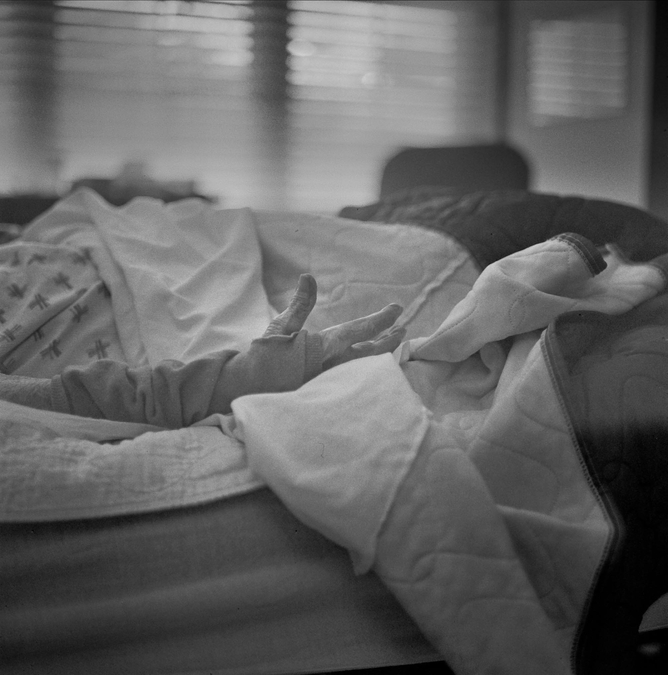
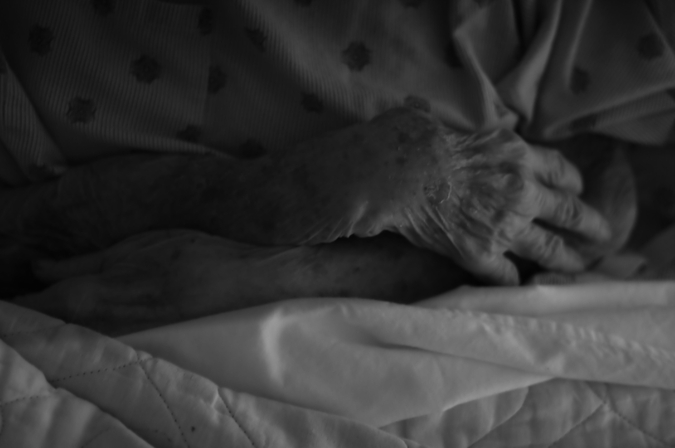
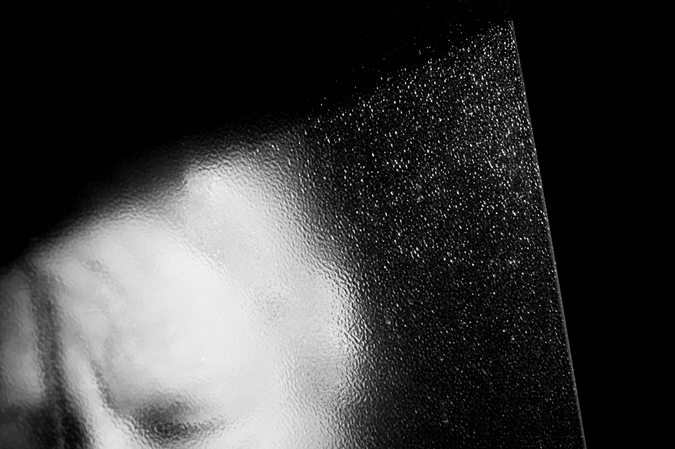
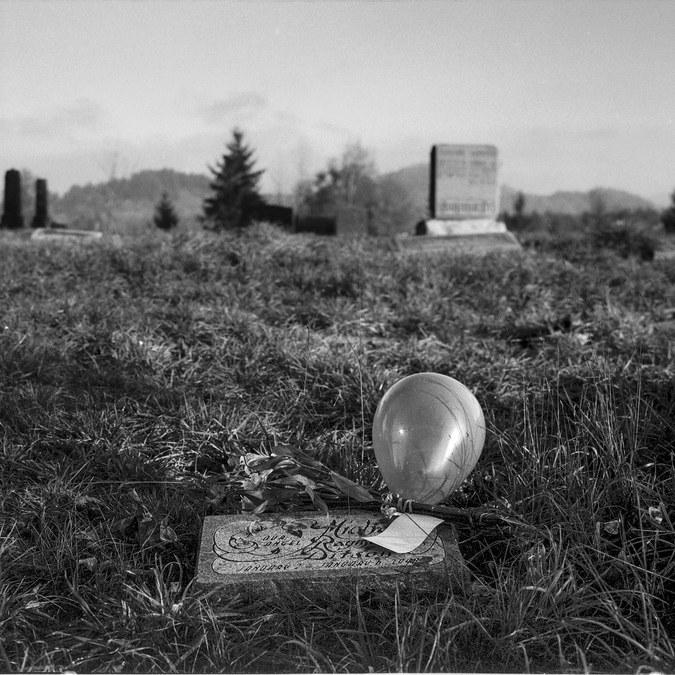
Simon, don't forget the "W" part of the slash here. "NW" is not a requirement ;-). Words are welcome in W/NW (though I do truly see the existential fatigue and the difficulty of maintaining the living facade in your grandmother's features, with or withough your captions). Indeed, I have been thinking about the conundrum of representing pain in a photograph since Lukitas started this, because it seems to me that unless a photographer portrays a subject by commanding the subject "Show me your pain, NOW," or being ruthlessly on the spot at a public disaster, the photograph tends to show only traces of pain--the moment before its onset, or its aftereffects. Eugene Smith's Minamata series does show a screaming child, but the image that is burned into my heart is the one of the mother cradling her child in the bath with as though all her pain of grief and rage at disfigurement and bewilderment has been totally transmuted in acts of loving tenderness. Pieta, rather than crucifixion.
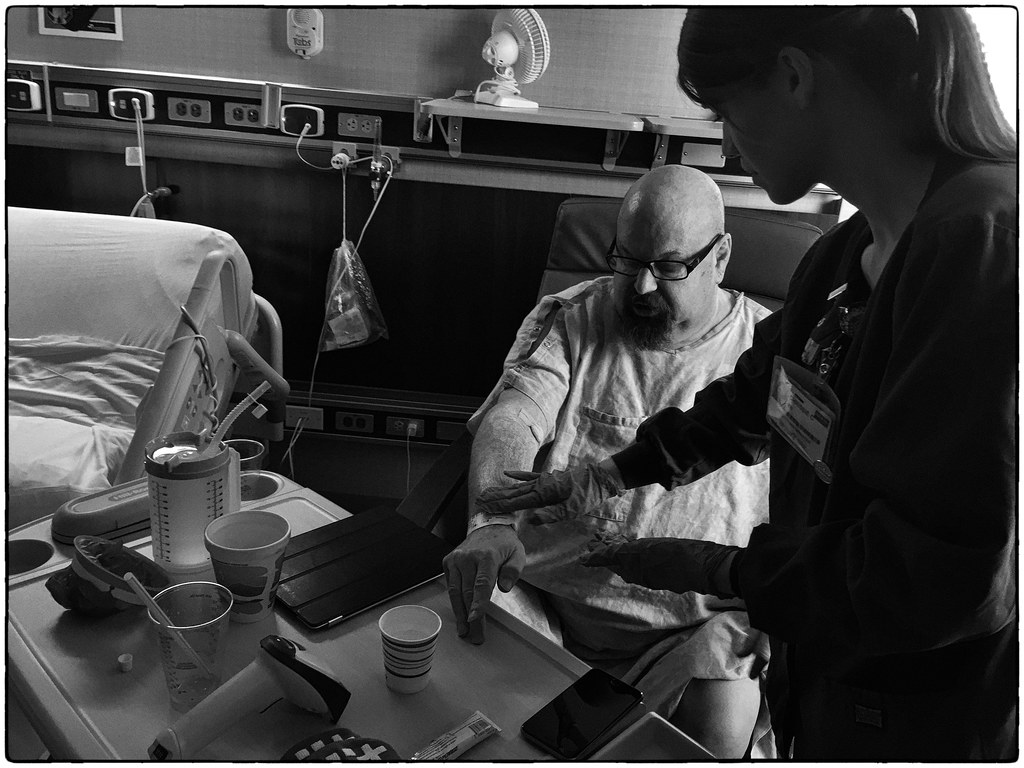
When I look at my disheveled catalog of images, there's really no depiction of immediate pain in the way you can see it in the work of certain war photographers, or (e.g.) Eugene Richard's great The Knife and Gun Club as he follows E.R. mayhem at Denver County General Hospital. However, Richards' book is 50% text--oral histories, transcribed conversations, Richards' own narrative of doubt, fatigue, anger, admiration for the doctors, nurses, ambulance pros who deal with people wrecking their lives daily or wracked with impoverished illnesses. The image that purely conveys its lyrical moment or implied story without captioning is admirable, but it is only one ideal. The photography that inspired my youth was narrative, social, documentary, political, and its texts, or its voices,were as much a part of its body as its imagery. In any case, in a thread like this, I am grateful to hear your voice and Lukitas's voice and the voices of others writing about what it means to try to depict pain, who is after all one of life's constant companions.
PS Brian, re tinnitus--> I empathize. Some people appear to cope better with it than I do, treating it as a 'nuisance' (the term my physicians use when they don't want to prescribe sedatives or narcotics) rather than experiencing it as a permanent, chronic distress from which one gets small daily reprieves in sleep, periods of satisfying work, and ongoing low background noise (I use fountains, jazz channels, and the announcers/crowds of Barclay's Premier League turned down low while following game's visual ballet for distraction). I guess I'm lucky to be a musician--concentrating & improvising finger work that produces a variety of tones (rather than the one super-high D tone that I always hear) helps...