The 3D effect ... ?

Keith

The best camera is one that still works!
Local time
4:33 AM
Joined
May 5, 2006
Messages
19,237
Location
Australia
I think we've had a thread about this before and many people posted examples that demonstrated what I'm refering to.

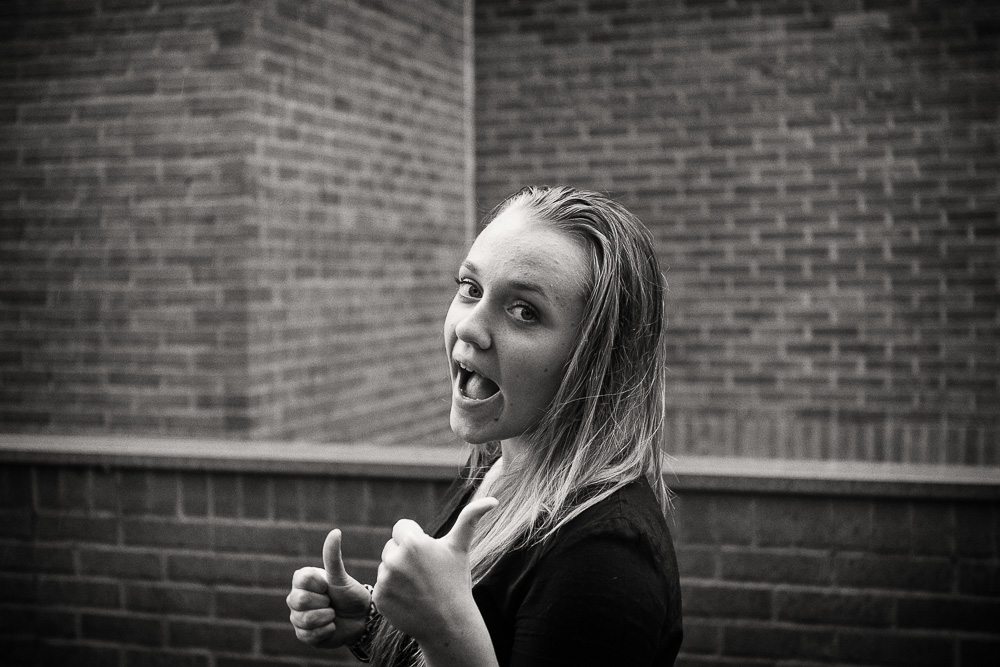
I took this pic the the other week with the 240 and my 50mm C Sonnar at f2.8 .... where it seems happiest incidentally. This is straight out of the camera with no post processing.

I suspect it's to do with the positioning of the subjects and the distance to various parts of the background along with the foreground content .... but to my eyes it's definitely there!

If you have something similar please post it. 🙂


U5265I1413108821.SEQ.0.jpg
 
3D Effect

3D Effect

To me the 3D effect is one where the lens nearly matches the eye's depth of field when the iris is somewhat stopped down, my guess is about half way. This gives a familiar out of focus in just the right amount in the right places.

The other 3D effect is when cues for perspective, a strong vanishing point, is suggested in the composition.

The later here, the former has been posted.

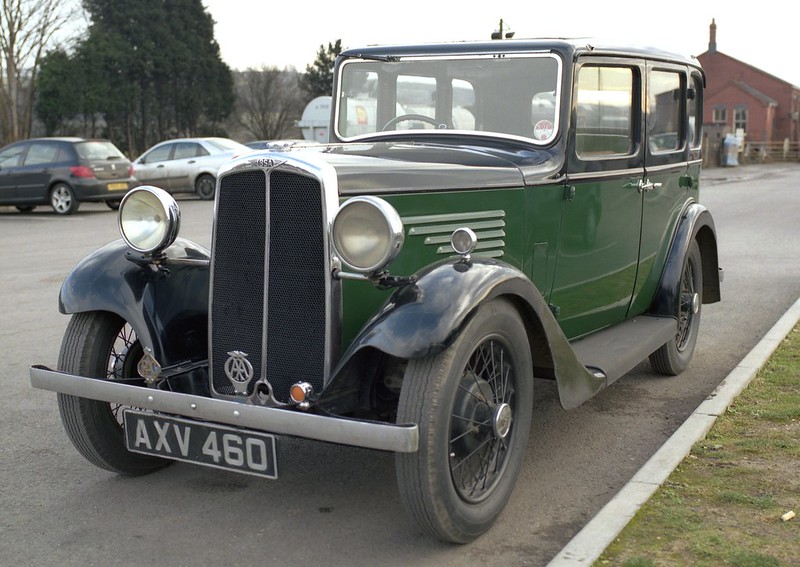
Leica M6, Zeiss 28mm Biogon, Porta:

446342170_ae3efde3bc_o.jpg
 
The so-called 3D effect REALLY fails for me when it relies on a sickly out-of-focus background.

Cheers,

R.

But it rarely exists in very shallow DOF images. 3D pop is at its best with some defocus but with the background contributing depth to the image; that is, with objects in the background clearly discernible.

The most important image chracteristic for the 3d effect to appear seems to be subject edges delineation. So, lenses with great MTF at the applicable spatial frequencies and with no visible aberrations, shot at medium distances, say 2-3 meters (can go further with longer lenses) and stopped down a little bit.


Istanbul
by corleypc, on Flickr
 
path by berangberang, on Flickr

I don't think a lens has to be particularly good, this photo came from a Meritar. I think it provides the effect because the top of the rock is sharply rendered against the out of focus background, but complimented by the gradual softening of the ground below as it retreats into the background. 02pilot's photo shows a similar effect, with an object sharply in focus contrasted with an OOF background, but also an area which gradually softens as it reaches further back.

Most of this effect relies on composition. I agree it works better if the background still has recognizable detail, being soft rather than entirely out of focus.
 
Sometimes it looks like fake 3-D. Flat image on foreground and blured background.

To me real 3-D effect is combination of front and side light and characteristics of the lens in micro-contrast. So far, only Zeiss was giving me more-less repeatable results, which might be close to 3D. It was always accidentally, I can't do it on porpoise.
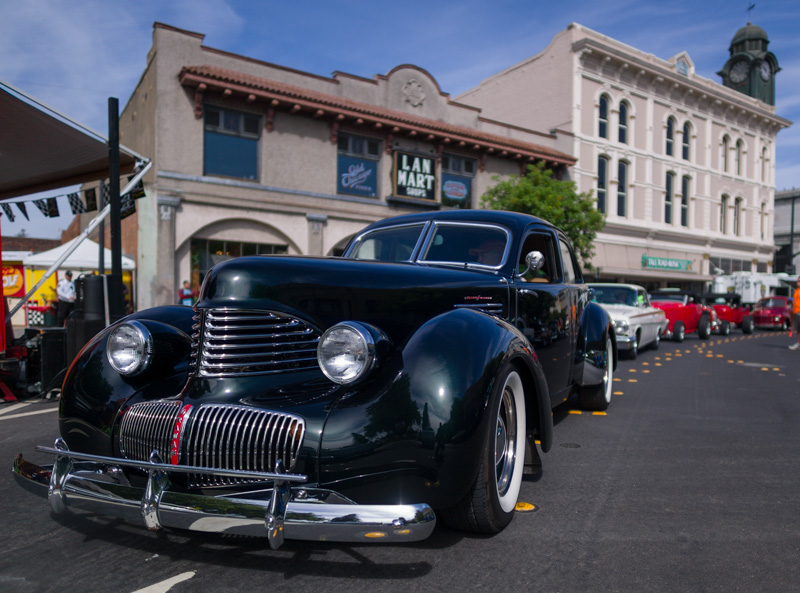
Not sure if this example is good enough to illustrate.

_MG_7232-2.JPG
 
As others have suggested, you can discern the depth only if you can see the background, completely OOF backgrounds don't work IMO.

I took this with my Rollei 35S Sonnar in my backyard. When I got the prints from Costco (they don't scan), this was my favorite photo. I was blown away by the "depth" I was able to see in this print. I tried to scan the film on my V600, but it's not as obvious as the print. I hope you can appreciate my POV here.

15272582127_bf102266ed_b.jpg
 
Back
Top Bottom